Optics
Budget binoculars and rangefinders that find deer in low light without costing more than the rifle — compared on glass, warranty and live price.
Optics are the one place we tell budget hunters to spend a little more, not less. You hunt with your eyes long before you hunt with a rifle or bow — you have to find the animal, judge it and range it first — and a hunt is far more often ruined by glass that fogs, goes dim at dusk or falls apart in the rain than by a few dollars saved. The good news is that the budget optics market has caught up: the sub-$200 tier now delivers waterproof, fogproof, genuinely usable glass that would have cost three times as much a decade ago.
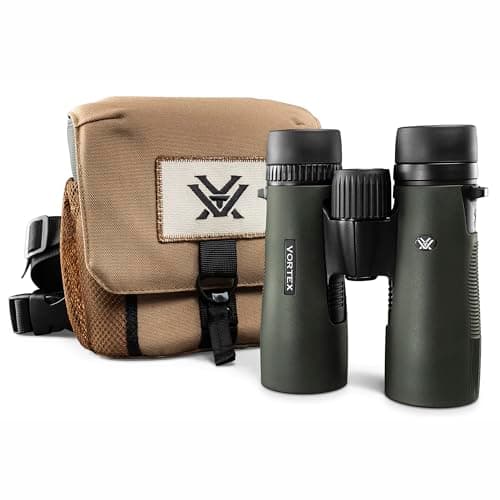
This hub covers the three optics a deer, elk or public-land hunter actually needs — binoculars to find and judge game, a rangefinder to know the exact distance before you shoot, and a rifle scopeif you hunt with a gun. Start with the roundups below; if you’re still deciding between 8x and 10x, read the buying guide first, and if the scope is already mounted, jump to sighting it in.
What decides the price of hunting glass
Three things move an optic’s cost: the glass and coatings (HD or ED glass and fully multi-coated lenses gather more light at the dawn-and-dusk hours that matter), the build (waterproof, fogproof, rubber-armored bodies survive real weather), and the warranty. That last one is underrated: Vortex’s VIP warranty replaces a broken pair with no receipt and no questions, which turns a $150 binocular into a buy-it-once item. When two budget optics are otherwise close, the warranty is often the tiebreaker.
The mistake budget buyers make
The classic error is chasing magnification. A 12x or 15x binocular sounds better than a 10x, but at budget prices the extra power comes with a narrower field of view, a dimmer image and hand-shake that blurs everything you’re trying to judge. For the vast majority of hunting, a 10x42 is the sweet spot, and an 8x42 is smart in thick timber where you glass close and need a wide, steady view. Bigger numbers are not better numbers when your budget is fixed.
The second mistake is buying a rangefinder without angle compensation. If you hunt from a treestand or in hill country, the straight-line distance to a deer is not the distance your arrow or bullet actually drops over — and the cheap rangefinders that skip angle compensation will cost you the shot. It’s the single feature worth insisting on, and the good news is that even sub-$70 units now include it.
Where to start
If you’re building a kit from scratch, buy the binocular first — you use it every minute of the hunt — then add a rangefinder before you take a shot at unknown distance, and a scope last, once you know which rifle it is going on. Every roundup below leads with a value pick you can act on right now, with a live price and a buy link. If your budget is a hard number, the under-$200 binocular list is the fastest way to shortlist. When you’re done here, the public-land gear list shows where optics fit in the whole kit, and the boots hub covers the other piece of gear we tell hunters not to cheap out on.
Everything in Optics
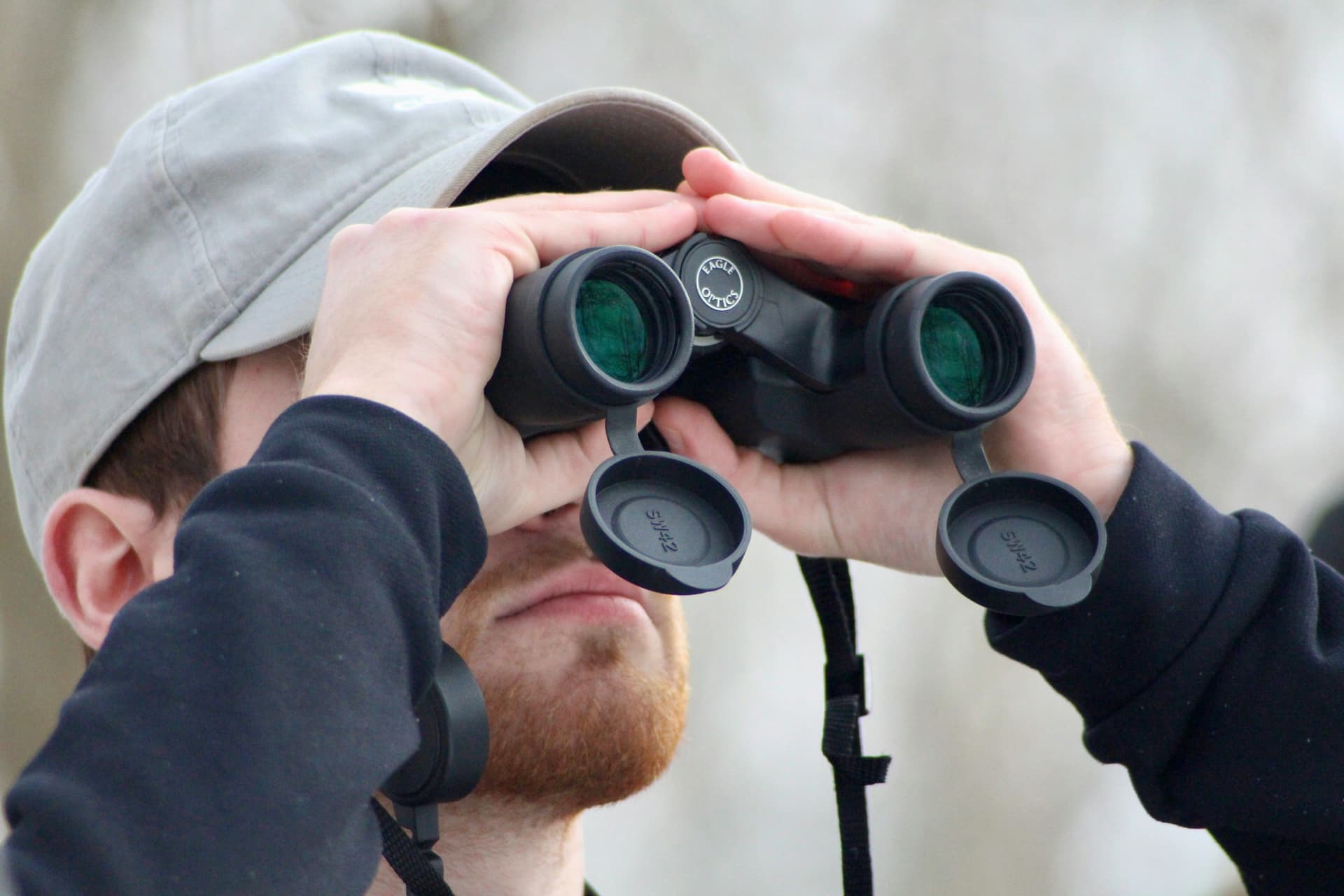
Best Budget Hunting Binoculars
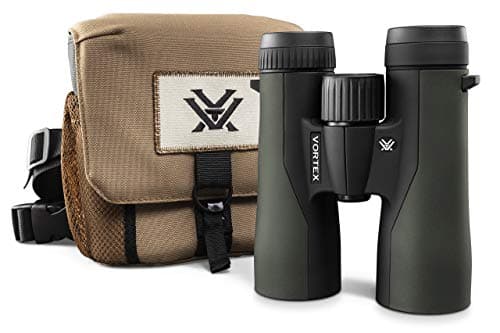
Five 10x42 hunting binoculars compared on glass, warranty and price — including which sub-$150 pair punches above its cost.
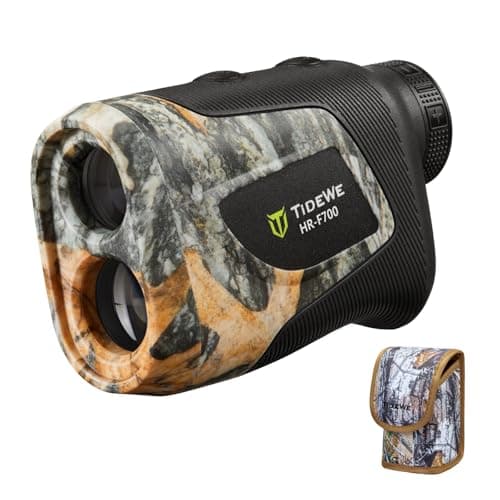
Best Budget Hunting Rangefinder
The cheap rangefinders that get angle compensation right — the one feature a treestand bowhunter actually needs.
Our top pick
TIDEWE 700Y Hunting Rangefinder
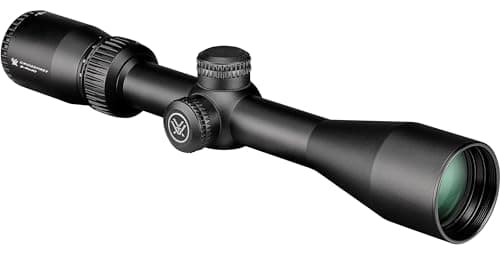
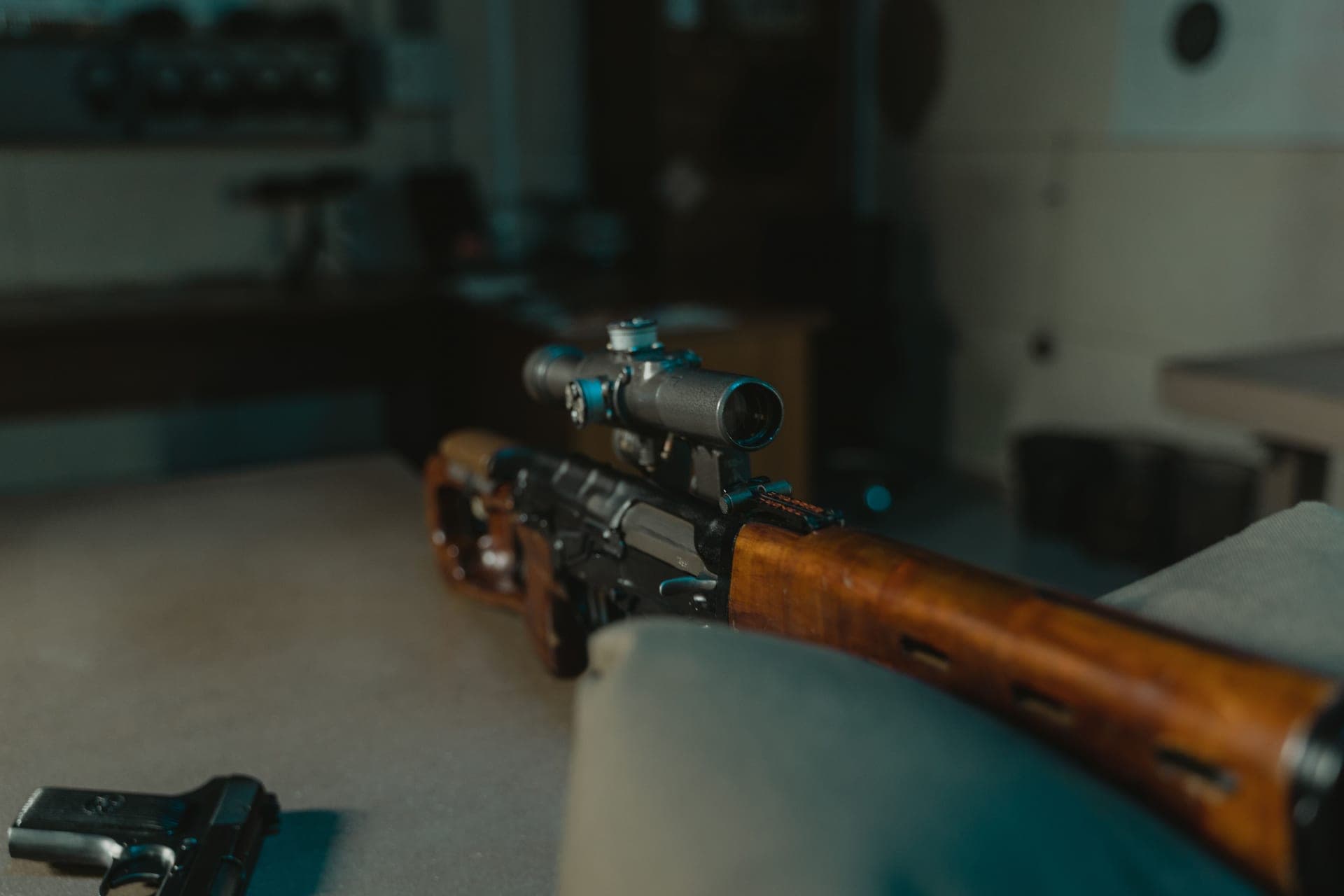
Best Budget Rifle Scope
Five hunting scopes from about $100 to $250, ranked on the reticle, glass and warranty that decide a shot in the woods.
Our top pick
Vortex Crossfire II 3-9x40
$128.99View on AmazonPrice as of October 20, 2026. #ad How we’re funded
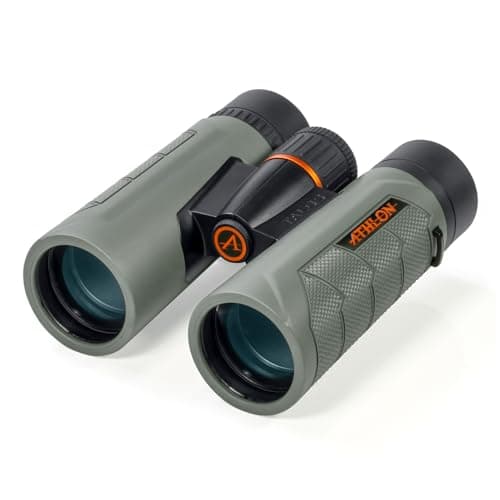
Best Hunting Binoculars Under $200
A hard price ceiling and five 10x42 pairs that live under it — including what the last twenty dollars actually buys.
Our top pick
Athlon Optics Talos G2 HD 10x42
$139.99View on AmazonPrice as of October 20, 2026. #ad How we’re funded
Vortex Diamondback HD 10x42 Review
The budget binocular every list points at, examined properly — what it gets right and the three hunters who should skip it.
Vortex Diamondback vs Crossfire
Same warranty, different glass, a real price gap. What the extra money buys and who should not spend it.
How to Choose Hunting Binoculars on a Budget
8x vs 10x, what 42 mm means, and which specs actually matter when you're spending your own money.
How to Sight In a Rifle Scope
A zero you can trust in under twenty rounds — the MOA math, the bore-sight shortcut and the mistakes that waste a box of ammunition.
Vortex Crossfire II 3-9x40 Review
The scope on more budget deer rifles than any other, examined properly — what it does well and the three hunters who should skip it.
Our top pick
Vortex Crossfire II 3-9x40
$128.99View on AmazonPrice as of October 20, 2026. #ad How we’re funded
How to Choose a Hunting Rangefinder
The maximum range on the box is the least useful spec in the category. What angle compensation, scan mode and display type are actually worth.
How to Mount a Rifle Scope
Most scopes that will not hold zero were mounted badly. Ring height, eye relief, leveling and torque — before you fire a round.
Best Hunting Binoculars Under $100
The hardest price ceiling in optics. Five pairs that live under it, what every one of them gives up, and the two specs worth checking before you buy.
Our top pick
Vortex Triumph HD 10x42
$99.00View on AmazonPrice as of October 20, 2026. #ad How we’re funded
Hunting vs Golf Rangefinder
A golf rangefinder is cheaper and often better built. Here is the one difference that decides whether it belongs in your pack.
Our top pick
TIDEWE 700Y Hunting Rangefinder
Athlon Talos G2 HD 10x42 Review
ED glass and a lifetime warranty from a brand most hunters have not heard of. What that buys, and the reason it is not our default pick.
Our top pick
Athlon Optics Talos G2 HD 10x42
$139.99View on AmazonPrice as of October 20, 2026. #ad How we’re funded
How to Glass for Deer
Cheap binoculars used well beat expensive glass swung around at random. The grid method, where to sit, and when to actually look.
Best Budget Hunting Tripod
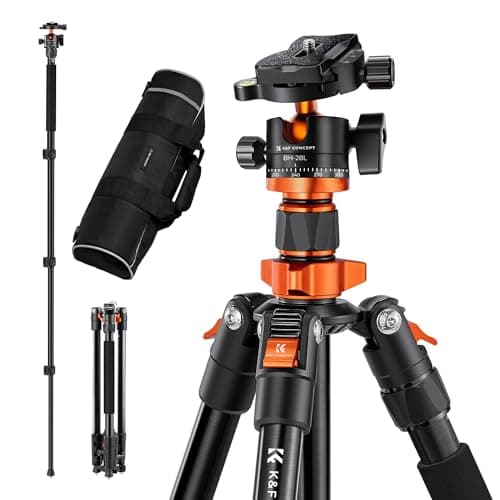
The cheapest way to make the binoculars you already own perform like glass that costs three times as much. Five tripods compared on height, rated load and carry weight.
Our top pick
K&F Concept 62" Compact Aluminum Tripod (K254A1)
$59.99View on AmazonPrice as of October 20, 2026. #ad How we’re funded
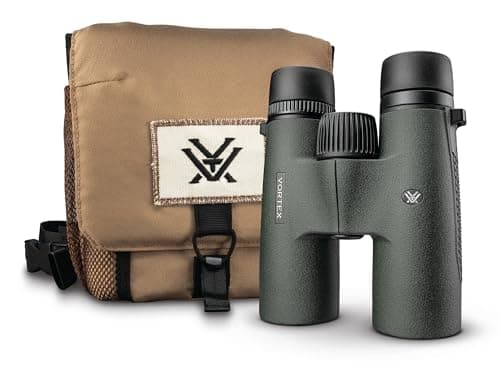
Best Budget Bino Harness
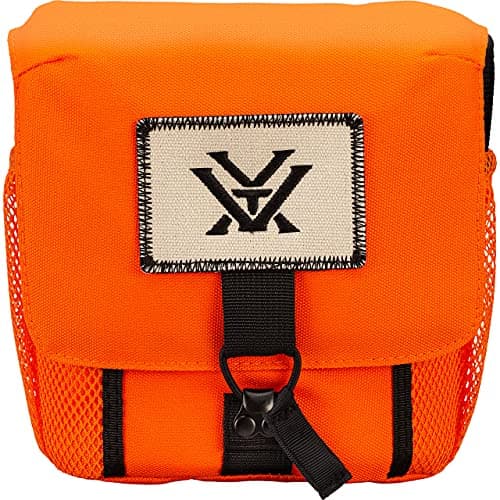
The accessory that decides whether the binoculars you bought ever leave the pack. Straps and chest cases compared on weight, protection and what they actually publish.
Our top pick
Vortex GlassPak Binocular Harness
$29.00View on AmazonPrice as of October 20, 2026. #ad How we’re funded
Bushnell Banner 2 vs Vortex Crossfire II
The two 3-9x40 scopes on more budget deer rifles than any others, split on reticle, warranty and live price — plus the third scope worth a look.
Our top pick
Vortex Crossfire II 3-9x40
$128.99View on AmazonPrice as of October 20, 2026. #ad How we’re funded
TIDEWE Rangefinder 700 vs 1000
Same maker, same formula, a real price gap. Whether the extra 300 yards on the box is worth paying for on a whitetail hunt, and when it genuinely is.
Our top pick
TIDEWE 700Y Hunting Rangefinder
Nikon PROSTAFF P3 vs Vortex Crossfire HD
Two 10x42 binoculars within a few dollars of each other. One has the brighter glass on paper, the other has the warranty — and one spec decides it outright.
Our top pick
Vortex Crossfire HD 10x42
$149.00View on AmazonPrice as of October 20, 2026. #ad How we’re funded
What Power Scope for Deer Hunting
3-9x40 is the right answer for most deer hunters, and the reasons are specific. What magnification buys, what it costs, and when to break the rule.
8x42 vs 10x42 Binoculars for Hunting
Ten power reaches, eight power holds steady and shows more woods. The exit-pupil arithmetic, and why eleven of the twelve budget pairs we track are 10x42.
Our top pick
Athlon Optics Talos G2 HD 10x42
$139.99View on AmazonPrice as of October 20, 2026. #ad How we’re funded