Pheasant Hunting on a Budget
Upland is the cheapest hunting to get into and the hardest on your feet. The honest kit list for a first season, what to wear, and why the two things worth real money are not the gun.
How this is funded: we earn a commission if you buy through our links, at no extra cost to you. It never changes which product we recommend, and we’ll tell you plainly when we’d skip one. Full disclosure.
If you already own a shotgun, pheasant hunting is the cheapest real hunting you can start this season — a licence, a box of shells, blaze orange and a pair of boots you can walk ten miles in. There is no treestand, no saddle, no rangefinder and no trail camera. The two things worth spending actual money on are your feet and your ears, and neither of them is the gun.
That is also the trap. Because the equipment list is short, people spend the saved money on a gun upgrade and hunt in running shoes. Upland is a walking sport: a good day is five to ten miles through cattails, CRP grass and plum thickets, most of it on uneven ground. The gear that decides whether you enjoy it is the gear between you and that ground.
What you actually have to buy
- A licence, plus any state upland or pheasant stamp. Set by your state, not by us. Several pheasant states require a separate stamp or validation on top of the small-game licence.
- Shells.The cheapest consumable in hunting, and the one place a budget hunter should not economise to the bottom — buy a mid-grade load in a size your state allows and shoot enough of it to know your pattern.
- Blaze orange.Required in most states for upland hunting, often to a specific standard. Minnesota’s wording is a useful model of how these rules are written: during open firearms deer seasons the visible portion of a cap and of outer clothing above the waist must be blaze orange or blaze pink, with blaze camo counting only if at least half of each square foot is blaze. Upland requirements are usually written separately — read yours.
- A shotgun. Borrowed is fine for a first season and extremely common. If you are buying, our budget shotgun guide covers gauge, action and chokes. We carry no buy links for firearms and never have.
That is the mandatory list. Everything below is the optional list, in the order we would buy it.
Boots first, and it is not close
Upland hunting is the only kind of hunting where your boots are the primary piece of equipment. You are covering ground all day, often through wet grass, cut corn and heavy cover, and a boot that is too heavy, too hot or too short ends the day early.
What you want is close to the opposite of a deer-stand boot:
- Light, because you are walking. A pound saved per boot is a mile of extra energy. Heavy insulated rubber boots are exactly the wrong tool here.
- Uninsulated or lightly insulated. You generate heat by moving. Insulation for a stand sit makes your feet sweat on a walking hunt, and wet feet are cold feet.
- Waterproof and at least 8 inches. Dew-soaked grass is wetter than rain, and height keeps seeds, stubble and burrs out.
- A sole with real grip. Grass-covered holes and irrigation ditches are the terrain.
That specification is why our boot pick on this page is an uninsulated 8-inch leather boot rather than anything from the insulated rubber family that dominates our other boot pages. The full field is in the budget boots roundup, and how to choose boots covers fit, which matters more than the brand on the side.
Buy good socks at the same time. Merino socks are a few dollars and they are the highest-return money on this entire page — blisters are the most common reason a first upland season ends in November. Our sock roundup ranks the field, and breaking boots in covers the part people skip.
Hearing protection: the cheapest permanent injury to avoid
Upland hunting involves more shooting than any other kind of hunting most people do, frequently from hunters standing a few yards away from you, and almost nobody wears hearing protection for it.
The National Institute on Deafness and Other Communication Disorders is blunt about the mechanism: long or repeated exposure to sounds at or above 85 dBA can cause hearing loss, and an extremely loud burst of sound can rupture the eardrum or damage the bones of the middle ear — damage that “can be immediate and permanent”. For scale, the same page puts a fireworks show at 140 to 160 dBA.
Electronic muffs solve the objection that stops people wearing protection in the field: they amplify ambient sound, so you can hear your hunting partners, a dog, and a rooster cackling, while cutting the shot. The muff we pick here publishes a 23 dB NRR and a 0.02-second reaction time on the maker’s own page. The rest of the field is in the budget hearing protection roundup.
What to wear, from the ground up
The upland dressing mistake is dressing for a deer stand. You will be warm within ten minutes of leaving the truck, so start cold.
- Brush-resistant pants. Cattails, plum thickets and multiflora rose will shred ordinary trousers. Dedicated brush pants have a reinforced face on the front of the leg; a durable cargo pant is the budget answer and will last a season or two. Our hunting pants page covers the options and what each is actually for.
- A light base layer, not a heavy one. You are generating heat all day. The point of the layer is moving sweat, not insulating.
- Blaze orange hat and vest.Required in most places and sensible everywhere. When hunters walk a line through cover, being visible is the entire safety system — the first of NSSF’s four primary rules of firearm safety, treating every gun as loaded and controlling the muzzle, assumes you can see where everyone is.
- Camo is irrelevant. Pheasants are flushed, not stalked. Pattern buys you nothing here, which is unusual on this site and worth saying plainly.
- A game strap or a cheap vest with a bird bag. You need somewhere to put a rooster, shells and water. A hundred-dollar strap vest is not required; the cheapest vest with a game bag is.
Where to hunt when you have no land
This is where upland is genuinely generous compared with deer hunting. The pheasant states run large public access programmes, and in most of them the birds are on ground anyone can walk.
Minnesota alone publishes more than 1,500 wildlife management areas totalling 1.39 million acres open to hunting — a scale repeated in different forms across the Dakotas, Iowa, Kansas and Nebraska. Several states also run walk-in access programmes that pay private landowners to open ground to public hunting, which costs the hunter nothing beyond a licence and is the best value available in the sport.
Our public land guide covers the free mapping tools for finding these parcels and reading them before you drive. The short version for pheasants: look for the edge between heavy cover and food, hunt the awkward corners other parties skip, and walk the grass strips rather than the middle of a big field.
Hunting without a dog
You can, and plenty of people do, and the honest trade is that you will find fewer birds and recover fewer of the ones you hit. Three things improve the odds:
- Hunt narrow cover, not big fields. Strips, ditches, fence lines and the edges of sloughs put birds within gun range of a single walker. A dogless hunter in a 40-acre grass field is mostly taking a walk.
- Stop constantly. Pheasants hold until pressured and break when the pressure pauses. Walk thirty yards, stop for fifteen seconds, repeat. Stopping flushes more birds than walking does.
- Hunt late season and hunt the weather. Birds hold tighter in heavy cover as the season wears on, and a hard wind or fresh snow concentrates them where the cover is thickest.
And walk out every bird you knock down before you do anything else. A wounded rooster runs, and without a dog the recovery window is short.
Two rules to check before opening day
Shot type.Federal law has required nontoxic shot for waterfowl and coots nationwide since 1991, with only shot types approved under the regulation legal to possess afield. Upland is governed separately, but many federal and state public areas now require nontoxic shot for all hunting on the unit. Check the specific area — this is the rule most likely to catch a visiting hunter out.
Blaze requirements and hunting hours. Both are set by your state and both are commonly different for upland than for deer. Read the current regulations each year rather than relying on what was true last season.
The whole budget, in one paragraph
Licence and stamp, a box of shells, a blaze hat and vest, and a borrowed gun will put you in the field this weekend. Add merino socks before the first hunt, boots before the second, and electronic ear protection before you shoot a season’s worth of shells next to someone else’s muzzle. That order is deliberate: it spends the money where it buys comfort, safety and more days afield, rather than on the one item — the gun — that most beginners over-buy. The same logic drives our cost-to-start breakdown and the rest of the hunting on a budget series.
The three pieces this guide earns
Ranked on price-per-performance — the specs that matter divided by what it costs. Select a row to jump to the full write-up. We have not field-tested these — here is exactly what we do instead.
| # | Product | Type / insulation | Score | Price |
|---|---|---|---|---|
| 1 | 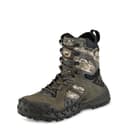 Irish Setter VaprTrek 8" Waterproof The boot the walking justifies A genuinely light, waterproof leather boot you can walk miles in — the do-everything early-season pick. If you only own one pair of hunting boots and you cover ground, this is the smart budget buy. | 8" leather, uninsulated | 9.1/ 10 | $189.95View on Amazon Price as of October 19, 2026. #ad How we’re funded |
| 2 | 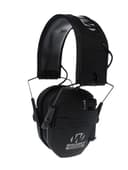 Walker's Razor Slim Electronic Muff Hearing protection you can still hear through The default answer in this category, and the reason is the spec sheet rather than the badge: Walker's publishes a 23 dB NRR, a 0.02 second compression reaction time and two high-gain omnidirectional microphones, which is more than most rivals will state at any price. Low-profile cups matter more than they sound — a fat muff pushes off the stock when you mount a gun. | 23 dB · muff | 9.1/ 10 | |
| 3 | 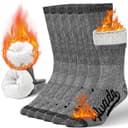 Alvada Merino Wool Thermal Crew (3 pair) Cheapest upgrade for an all-day walk Three pairs of merino for roughly half the price of one premium sock. Nothing about these is special, and that is the argument: they get wool on your feet at a price where you can afford enough pairs to rotate. | Merino · crew | 8.2/ 10 |
Check your state’s regulations. Hunting laws vary by state and change year to year — legal calibers, minimum bow draw weights, blaze-orange rules, seasons and treestand requirements included. Confirm the rules with your state wildlife agency before you hunt. Blaze & Budget is written by an enthusiast, not a game warden, and nothing here is legal advice.
Frequently asked questions
How much does it cost to start pheasant hunting?
Less than any other hunting worth doing, if you already own a shotgun. The required spending is a licence plus any state upland or pheasant stamp, shells, and blaze orange - that is the whole list. The optional spending that actually improves your season is boots and hearing protection. There is no stand, no saddle, no optics and no trail camera.
Do you need a dog to hunt pheasants?
No, but it changes the hunt. Without a dog you will find fewer birds, and you will lose more of the ones you hit - that is the honest cost and it is a real one. What works without a dog: hunting edges and strips rather than open fields, walking slowly with frequent stops (pheasants break when you stop, not when you walk), and hunting late season when birds hold tighter in heavy cover.
What should you wear pheasant hunting?
Brush-resistant pants, boots you can walk miles in, a blaze orange hat and vest to whatever standard your state requires, and layers you can shed. Upland is a walking hunt - the mistake is dressing like a deer hunter. You will be warm within ten minutes, so start cold and carry less than you think.
What gauge is best for pheasants on a budget?
A 12 gauge, because ammunition is cheapest and most widely available in 12 and the gun will also handle waterfowl and turkeys. A 20 gauge kills pheasants perfectly well and is lighter to carry all day, which matters more than people expect on a five-mile walk. Either is right; the gauge you already own is the most right.
Do you need nontoxic shot for pheasants?
It depends on where you hunt, and this is the rule most likely to catch you out. Federal law has required nontoxic shot for waterfowl and coots nationwide since 1991, and many federal and state public areas now extend a nontoxic requirement to upland birds as well. Read the regulations for the specific unit before you load lead.
Where can you hunt pheasants for free?
Public wildlife areas are the answer in most pheasant states. Minnesota alone publishes more than 1,500 wildlife management areas covering 1.39 million acres open to hunters, and several midwestern states run walk-in access programmes that open private ground to public hunting at no cost beyond your licence. Those programmes are the single best value in upland hunting.
Is pheasant hunting good for beginners?
It is one of the best starting points there is. The action is daytime, social and mobile rather than solitary and still, the gear list is short, a miss costs you nothing but a shell, and the safety discipline you learn walking a line with other hunters transfers to everything else. The limiting factor is fitness, not equipment.
Sources
- Nontoxic Shot Regulations for Hunting Waterfowl and Coots — U.S. Fish & Wildlife Service — The lead-shot ban for waterfowl phased in from 1987-88 and became nationwide in 1991; it applies to ducks, geese, brant, swans and coots, and only shot types approved under 50 CFR 20.21(j) may be possessed afield (accessed August 19, 2026)
- Noise-Induced Hearing Loss — National Institute on Deafness and Other Communication Disorders (NIH) — The federal institute's consumer page on noise-induced hearing loss: "long or repeated exposure to sounds at or above 85 dBA can cause hearing loss", a fireworks show is given as 140-160 dBA, and an extremely loud burst of sound "can rupture the eardrum or damage the bones in the middle ear" — "This kind of NIHL can be immediate and permanent" (accessed October 11, 2026)
- Blaze clothing requirements — Minnesota DNR — A state example of blaze rules: during open firearms and muzzleloader deer seasons the visible portion of a hunter's cap and outer clothing above the waist must be blaze orange or blaze pink, sleeves and gloves excluded, and blaze camouflage patterns must be at least 50 percent blaze within each square foot (accessed September 6, 2026)
- 4 Primary Rules of Firearm Safety — NSSF — The industry-standard core firearm safety rules (accessed July 22, 2026)
- Wildlife Management Areas — Minnesota DNR — A state example of public WMA hunting access: 1,500+ areas, 1.39M acres open to hunters (accessed July 22, 2026)
- Americans Spent $394B on Hunting, Fishing and Wildlife-Associated Activities in '22 — U.S. Fish & Wildlife Service — The 2022 National Survey: 14.4 million Americans hunted, about 6% of residents aged 16 and over, within $394 billion of total wildlife-associated spending (accessed August 19, 2026)
Keep reading
Best Budget Hunting Shotgun
Gauge, action, chokes and barrel length - the most versatile gun a budget hunter can own.
Read the guideBest Budget Hunting Boots
The purchase that decides whether you finish the walk - ranked on weight, height and waterproofing.
See the rankingsBest Budget Hunting Ear Protection
Electronic muffs and earbuds, ranked on the NRR each maker actually publishes.
See the rankingsHow to Find Public Land to Hunt
Free federal and state mapping, and how to pick ground other hunters walk past.
Read the guide