Coyote Hunting on a Budget
A season that runs when nothing else does, on ground you already know, with a rifle you already own. The cheapest way to keep hunting after deer season closes.
How this is funded: we earn a commission if you buy through our links, at no extra cost to you. It never changes which product we recommend, and we’ll tell you plainly when we’d skip one. Full disclosure.
Deer season closes and most hunters put the rifle away for eight months. In much of the country that is a waste of the best hunting conditions of the year, on public land that has just emptied out, for an animal that in many states has no closed season at all.
Coyote hunting is also close to free if you already deer hunt. Same rifle, same scope, same boots, same public land, same scouting knowledge. The only genuinely new purchase is a call, and a hand call costs less than a box of ammunition.
Check your state first, because this varies enormously
Predator regulations differ more between states than almost any other hunting rule, and coyote rules in particular are all over the map. Read your own state’s regulations before you plan anything.
Oklahoma is a useful published example of the permissive end. Its wildlife department states that coyotes are open statewide, year-round, with no daily, season or possession limit. A resident annual hunting license is still required for adults, and non-residents need an annual or five-day license, though youth hunters are exempt when hunting coyote only.
Even in a permissive state, the method restrictions are real. Oklahoma prohibits hunting, taking or attempting to take coyotes from dark to daylight with the aid of any artificial light or sight dog, apart from a narrow exception permitting a .22 rimfire rifle or pistol and a hand-carried light while pursuing with hounds during the legal furbearer season. It also prohibits hunting or using artificial light, thermal or night vision equipment from a public roadway entirely.
Other states treat coyotes as furbearers with defined seasons, require specific licenses, restrict calibers, or ban night hunting outright. Do not carry any of the above across a state line. Look up the current rules from your own state wildlife agency, every year.
The gun: the one you already have
Whatever centerfire rifle you shoot deer with will kill coyotes cleanly at every realistic range. That is the budget answer and it is also the right answer for most people.
The reason dedicated predator calibers exist — small, fast, light bullets — is fur preservation. A large expanding bullet does significant damage to a hide, which mattered a great deal when fur prices justified the effort of skinning and selling. For a hunter who is not selling fur, it is not a consideration.
If you are buying a rifle anyway, our budget deer rifle guide covers what makes a good-value bolt gun, and the same rifle does both jobs. Check your state’s legal-firearm rules for furbearers, because they sometimes differ from the big-game rules — a rimfire that is legal for coyotes may not be legal for deer, and occasionally the reverse constraint applies.
A shotgun with buckshot is genuinely effective inside forty yards and is the right tool in thick cover, which is worth knowing if a shotgun is what you own.
Optics: this is where the money goes, if anywhere
Coyote hunting happens in the first and last twenty minutes of light more than deer hunting does, because that is when they move most and because the winter days are short. That puts more weight on low-light glass than almost anything else in the kit.
You do not need a new scope. A standard 3–9×40 hunting scope is entirely adequate, and if yours already sits on the rifle, use it. If you are buying, prioritize a bright, simple reticle that stays visible against a dark background over magnification — a fine crosshair disappears against gray timber at last light, which is exactly when the shot happens. Our budget rifle scope roundup compares them on that basis.
A binocular matters more here than most people expect. Coyotes come in low, fast, and frequently stop at two hundred yards to look, and picking one out of dead grass with your naked eye is genuinely hard. Any decent pair works — the options are in our under-$100 roundup.
Calling: hand call first, always
Electronic callers are excellent and they are not the place to start. A hand call — an open-reed or closed-reed distress call — costs a fraction as much, and learning to run one teaches you what different sounds do in a way that pressing a button does not.
Two sound families cover almost everything:
- Prey distress.The classic rabbit-in-trouble sound. It works on the coyote’s food drive and it is the most reliable starting point, particularly in winter when food is scarce.
- Coyote vocalizations. Howls, challenge sounds and whimpers, working on territorial and social instincts. These come into their own during the late-winter breeding period and are worth learning second.
What electronic callers genuinely buy youis sound placement rather than sound quality. If the call comes from a speaker set thirty yards away from you, an incoming coyote focuses on that point instead of on your position, which buys you the movement and the shot window. That is a real advantage — and a cheap decoy or simply setting yourself back from the calling position achieves a large part of it for nothing.
The stand: setup is the whole skill
Coyote hunting is a series of short sits called stands. You set up, call, wait fifteen to twenty minutes, and move a few hundred yards to do it again. A morning is six to ten stands.
Setting up correctly is nearly all of the skill, and it comes down to one behavior: a coyote will circle downwind before it commits to the sound. It is checking with its nose what its ears found. If your downwind side is ground you cannot see, the coyote scents you from cover you never looked at and leaves, and you conclude nothing came in.
So:
- Wind in your face, with a clear view of your downwind side. That is where the shot will happen.
- Sun at your back where you can arrange it. It lights the animal and hides you.
- Break your outline.Sit against something — a bush, a fence line, a rock — rather than on open ground. Coyotes see movement extremely well.
- Approach quietly and from the right direction. Getting to the stand badly ruins it before you have called once. Walk the last two hundred yards as though you were still hunting.
- Have a rest. Shooting sticks, a pack, a knee. Offhand shots at a moving coyote at 150 yards are how animals get wounded.
Timing: the free advantage
Late winter — January and February in much of the country — is when coyotes are most responsive to calling, and it is also when the woods are completely empty. Deer season has closed, turkey season has not opened, and public land that was crowded in November has nobody on it.
For a public-land hunter, this is the one time of year you can hunt good ground alone, and that is worth more than any piece of equipment. Cold, still mornings also carry sound further, which is exactly what you want when your entire method is making noise and waiting.
What you can skip
- Thermal and night vision.Extraordinary tools, and they cost more than most people’s entire hunting kit. They are also illegal or heavily restricted for coyotes in many states. This is not a budget category and there is no budget version worth buying.
- A dedicated predator rifle. Fur preservation is the reason those exist. If you are not selling hides, your deer rifle is correct.
- Snow camo, unless there is snow. And if there is, a white bedsheet over your outer layer costs nothing and works.
- An expensive electronic caller. Learn a hand call. Add a basic remote unit later if you want the sound placement.
- A shooting bench or tripod system. Cheap shooting sticks or a pack do the job.
What to do with the animal
Worth being straightforward about. Fur prices for coyote have been low for years, and skinning, fleshing and drying a hide properly is real work for little return unless you are doing it for yourself. Many hunters do it for a tanned hide to keep rather than to sell.
Whatever you decide, follow your state’s rules on disposal and any tagging or reporting requirements — some states require furbearers to be reported or tagged even where there is no bag limit. Leaving animals where they fall is legal in some places and prohibited in others, and it is the sort of thing that shapes public opinion about hunting on public land.
The realistic budget
If you already deer hunt: a hunting license for the year (which you likely already bought), a hand call, and a box of ammunition. That is the entire incremental cost of adding a second season to your year.
The two picks below are the things we would actually spend on, and both earn their keep in deer season as well: a scope with a reticle that stays visible at last light, and a headlamp, because winter predator hunting means walking in and out in the dark for months.
The two purchases that actually help
Ranked on price-per-performance — the specs that matter divided by what it costs. Select a row to jump to the full write-up. We have not field-tested these — here is exactly what we do instead.
| # | Product | Magnification | Score | Price |
|---|---|---|---|---|
| 1 | 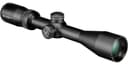 Vortex Crossfire II 3-9x40 The scope that fits this job The default budget deer scope, and it earns the title. 3-9x40 is the magnification range that covers 95% of whitetail shots, and the VIP warranty means a scope that fails on a hunt gets replaced without an argument. | 3-9x40 · SFP | 9.1/ 10 | $128.99View on Amazon Price as of October 20, 2026. #ad How we’re funded |
| 2 | 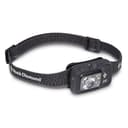 Black Diamond Spot 400 You will be walking in the dark The headlamp that mountaineers trust, at a price a hunter can justify. Dimmable output matters more than peak brightness in the woods — you want the least light that gets the job done. | AAA · dimmable | 8.9/ 10 |
Check your state’s regulations. Hunting laws vary by state and change year to year — legal calibers, minimum bow draw weights, blaze-orange rules, seasons and treestand requirements included. Confirm the rules with your state wildlife agency before you hunt. Blaze & Budget is written by an enthusiast, not a game warden, and nothing here is legal advice.
Frequently asked questions
Is coyote hunting open year-round?
In much of the country, yes, though it varies by state and you must confirm your own. Oklahoma, as one published example, has coyotes open statewide year-round with no daily, season or possession limit. Other states classify coyotes as furbearers with defined trapping and hunting seasons instead. A hunting license is generally still required even where there is no closed season, and the specific rules on night hunting, artificial light and calling devices differ substantially between states.
What rifle do you need for coyote hunting?
Whatever centerfire rifle you already own for deer will kill coyotes cleanly, and that is the budget answer. Dedicated predator calibers exist and are chosen mainly to preserve the hide for fur value, which is not a consideration for most hunters today. A .22 rimfire is legal for coyotes in some places and is marginal at anything past short range. Check your state's legal-firearm rules for furbearers, since they sometimes differ from big-game rules.
Can you hunt coyotes at night?
Sometimes, with heavy restrictions, and this is the single most variable rule in predator hunting. Oklahoma, for example, makes it unlawful to take coyotes from dark to daylight with the aid of any artificial light except under a narrow exception for hunting with hounds during the legal furbearer season, and prohibits using artificial light, thermal or night vision from a public roadway entirely. Some states permit night hunting broadly, some ban it outright, and several require a permit. Check your state before you plan a night hunt.
Do you need an electronic caller for coyotes?
No. A hand call costs a fraction as much and works, and learning one makes you a better hunter than owning an electronic unit does. What electronic callers genuinely buy you is sound placement — the call comes from a speaker set out away from you, so an incoming coyote focuses on that point rather than on your position, which matters because coyotes circle downwind and come in looking. A decoy or a caller set thirty yards out solves the same problem more cheaply than a top-end unit.
What is the best time to hunt coyotes?
First and last light, as with most game, with the late winter breeding period being the most responsive time of year to calling. Cold, still mornings carry sound further and coyotes cover more ground when food is scarce. The practical advantage for a budget hunter is that this is January and February, when deer season has closed, the woods are empty and public land is genuinely uncontested — the one time of year you can hunt good ground alone.
How do you hunt coyotes without spending money?
Hunt the ground you already scouted for deer, with the rifle you already own, using a hand call that costs less than a box of ammunition. Set up with the wind in your face and a view of your downwind side, because coyotes circle to scent-check what they are approaching, and that circle is where most stands are won or lost. Sit fifteen to twenty minutes, then move a few hundred yards and do it again. The whole method is walking, sitting and watching.
Sources
- Furbearer / Coyote Regulations — Oklahoma Department of Wildlife Conservation — A state example of predator rules: coyotes open statewide year-round with no daily, season or possession limit, a hunting license still required, and tight restrictions on artificial light and night hunting (accessed August 19, 2026)
- Hunting — US Forest Service — USFS rules for hunting on National Forest System land — state-law compliance and area restrictions (accessed July 22, 2026)
- External Ballistics — Hornady Manufacturing — Manufacturer ballistics primer — trajectory, ballistic coefficient and atmospheric effects (accessed July 22, 2026)
- 4 Primary Rules of Firearm Safety — NSSF — The industry-standard core firearm safety rules (accessed July 22, 2026)
Keep reading
Hunting on a Budget: The Complete Guide
The pillar guide — where to spend and where to save across every kind of hunting.
Read the guideBest Budget Deer Rifle Setups
The rifle that does both jobs, and the gear worth pairing with it.
Read the guideBest Budget Rifle Scope
Low-light glass matters more for predators than for deer. The picks compared.
See the picksBest Budget Headlamp
You will walk in and out in the dark all winter. The lamps worth owning.
See the picks