Blaze & Budget

Best Budget Rifle Scope

Five hunting scopes from about $100 to $250, ranked on the specs that decide a shot in the woods rather than on a spec sheet.

By Stephen V.Last updated How we rank

A rifle scope is the cheapest place on a hunting rifle to buy a real improvement and the easiest place to waste money. The bracket that matters for a budget hunter runs from roughly $100 to $250, and inside it you can get a waterproof, name-brand scope with a usable ballistic reticle and a warranty that outlives the rifle. Above it, you start paying for glass clarity you will genuinely notice at 400 yards — a distance most whitetail hunters will never shoot.

Four of the five picks below are 3–9×40. That is not laziness; it is the honest answer. Three power is wide enough to find a deer at 40 yards in thick timber, nine power is enough to place a shot at 250, and a 40 mm objective mounts low without special rings. The fifth pick stretches to 16× for hunters who genuinely shoot open country, and we say plainly what that costs you. Whichever you choose, spend real money on rings and a torque check— a $250 scope in $10 rings shoots worse than a $100 scope mounted properly.

We are an enthusiast site, not a test lab. We do not own these scopes and will not pretend to have run them across a season. We compile the published specs from each maker’s listing, weigh the warranty behind them, and run price-per-performance math. The prices below are pulled live, so the ranking follows current value instead of a number we typed once and forgot.

How this is funded:we earn a commission if you buy through our links, at no extra cost to you. It never changes which product we recommend, and we’ll tell you plainly when we’d skip one. Full disclosure.

Quick picks

Ranked on price-per-performance — the specs that matter divided by what it costs. Select a row to jump to the full write-up. We have not field-tested these — here is exactly what we do instead.

#ProductMagnificationScorePrice
1
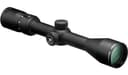
Vortex Crossfire II 3-9x40

Vortex Crossfire II 3-9x40

Best overall

The default budget deer scope, and it earns the title. 3-9x40 is the magnification range that covers 95% of whitetail shots, and the VIP warranty means a scope that fails on a hunt gets replaced without an argument.

3-9x40 · SFP
9.1/ 10
$117.00View on Amazon

Price as of September 5, 2026. #ad How we’re funded

2
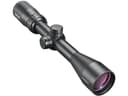
Bushnell R3 3-9x40

Bushnell R3 3-9x40

Best low-light glass

The low-light pick of the group. Bushnell's HD optical system and EXO Barrier lens coating are features that used to live two price brackets up, and IPX7 means a soaking rain is a non-event.

3-9x40 · HD
8.9/ 10
$149.95View on Amazon

$199.9525% off

Price as of September 5, 2026. #ad How we’re funded

3

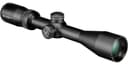
Vortex Diamondback 3-9x40

Best buy-once

The buy-once scope on this page. It is the most expensive pick here by a wide margin, and it is the only one we would tell you to keep when you eventually upgrade the rifle underneath it.

3-9x40 · BDC
8.8/ 10
4
Bushnell Banner 2 3-9x40

Bushnell Banner 2 3-9x40

Best under $100

The cheapest scope here that we would still put on a deer rifle. The Banner name has been on budget hunting rifles for decades, and the DOA ballistic reticle gives you holdover marks most sub-$100 scopes skip.

3-9x40 · DOA
8.7/ 10
$89.00View on Amazon

$99.6411% off

Price as of September 5, 2026. #ad How we’re funded

5
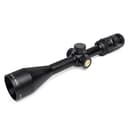
Athlon Optics Talos 4-16x40

Athlon Optics Talos 4-16x40

Best for open country

The one here for open country. Sixteen power and an illuminated BDC 600 reticle give you a real aiming solution past 300 yards, which no 3-9x on this page can offer at any price.

4-16x40 · lit
8.6/ 10

The picks in full

#1Best overall9.1/ 10 value

Vortex Crossfire II 3-9x40

The default budget deer scope, and it earns the title. 3-9x40 is the magnification range that covers 95% of whitetail shots, and the VIP warranty means a scope that fails on a hunt gets replaced without an argument.

Strengths

  • 3-9x40 is the right range for real hunting distances, not paper fantasies
  • Simple V-Plex crosshair is fast to pick up in low light
  • Vortex VIP lifetime warranty — no receipt, no fight

Trade-offs

  • Second focal plane means the reticle only holds true at one magnification
  • Glass is good for the money, not sharp enough to stretch past 300 yards
Magnification / objective3-9x / 40 mm
ReticleV-Plex MOA, second focal plane
WarrantyVortex VIP (unlimited lifetime)

Specs read from the product listing, on August 11, 2026. “Not published” means the maker doesn’t state that figure. The score is our value rating, not a lab test — how we rank.

#2Best low-light glass8.9/ 10 value

Bushnell R3 3-9x40

The low-light pick of the group. Bushnell's HD optical system and EXO Barrier lens coating are features that used to live two price brackets up, and IPX7 means a soaking rain is a non-event.

Strengths

  • HD optical system holds contrast into the last legal minutes
  • EXO Barrier coating sheds water and dust off the glass
  • IPX7 waterproof rating — a published number, not a marketing word

Trade-offs

  • Newer line with a shorter track record than the Banner or Crossfire
  • DOA-QBR reticle takes a range session to learn before you trust it
Magnification / objective3-9x / 40 mm
ReticleDOA-QBR
WaterproofingIPX7, EXO Barrier lens coating

Specs read from the product listing, on August 11, 2026. “Not published” means the maker doesn’t state that figure. The score is our value rating, not a lab test — how we rank.

#3Best buy-once8.8/ 10 value

Vortex Diamondback 3-9x40

The buy-once scope on this page. It is the most expensive pick here by a wide margin, and it is the only one we would tell you to keep when you eventually upgrade the rifle underneath it.

Strengths

  • Noticeably brighter and sharper than everything else on this list
  • Dead-Hold BDC reticle gives usable holdovers without a ballistic app
  • Vortex VIP lifetime warranty — the scope outlives the rifle

Trade-offs

  • Costs more than double the Banner 2 for a gain most timber hunters will not see
  • Still second focal plane, so holdovers are only valid at max magnification
Magnification / objective3-9x / 40 mm
ReticleDead-Hold BDC MOA, second focal plane
WarrantyVortex VIP (unlimited lifetime)

Specs read from the product listing, on August 11, 2026. “Not published” means the maker doesn’t state that figure. The score is our value rating, not a lab test — how we rank.

#4Best under $1008.7/ 10 value

Bushnell Banner 2 3-9x40

The cheapest scope here that we would still put on a deer rifle. The Banner name has been on budget hunting rifles for decades, and the DOA ballistic reticle gives you holdover marks most sub-$100 scopes skip.

Strengths

  • Ballistic DOA reticle with holdover marks at a bargain price
  • 3-9x40 covers every practical whitetail range
  • Long-running budget line — parts and support actually exist

Trade-offs

  • Non-illuminated, so the reticle disappears first in dim timber
  • Turret clicks are coarser and less repeatable than the Vortex
Magnification / objective3-9x / 40 mm
ReticleDOA Quick Ballistic
IlluminationNone

Specs read from the product listing, on August 11, 2026. “Not published” means the maker doesn’t state that figure. The score is our value rating, not a lab test — how we rank.

#5Best for open country8.6/ 10 value

Athlon Optics Talos 4-16x40

The one here for open country. Sixteen power and an illuminated BDC 600 reticle give you a real aiming solution past 300 yards, which no 3-9x on this page can offer at any price.

Strengths

  • 16x top end genuinely helps on prairie, clearcut and bean-field shots
  • Illuminated BDC 600 reticle stays visible against dark timber
  • One-inch tube fits the cheap rings you probably already own

Trade-offs

  • 16x is more scope than a timber hunter will ever use, and it costs weight
  • Small exit pupil at full magnification makes dusk glassing harder, not easier
Magnification / objective4-16x / 40 mm
ReticleIlluminated BDC 600, second focal plane
Tube diameter1 inch

Specs read from the product listing, on August 11, 2026. “Not published” means the maker doesn’t state that figure. The score is our value rating, not a lab test — how we rank.

How to choose a budget hunting rifle scope

Scope marketing is built around numbers that do not matter much and silent about the ones that do. Below are the four decisions that actually separate these five scopes, in the order they should affect your buying.

Magnification: less is more than you think

The single most common budget mistake is buying more magnification than the hunt needs. At high power your field of view narrows, the image dims, and every heartbeat shows up as wobble in the crosshair. Worse, a scope left on 12× is useless when a deer appears at 30 yards — and that is exactly how most whitetail encounters happen. A 3–9× scope covers 20 to 300 yards without ever being the wrong tool. If you hunt sage, prairie or clearcuts where 300-plus yard shots are routine and ethical for you, the 4–16× makes sense; otherwise it is weight and glare you paid extra for.

Objective size and mounting height

The second number — the 40 in 3–9×40 — is the front lens diameter in millimeters. A bigger objective gathers more light, but it also forces higher rings, which lifts your cheek off the stock and makes a consistent cheek weld harder. On a budget hunting rifle with a factory stock, a 40 mm objective mounted low is almost always the better shooting setup than a 50 mm mounted high. The dusk advantage of a 50 mm is real but small; the accuracy cost of a bad cheek weld is real and large.

Reticle: plain crosshair or ballistic holdovers

A plain duplex or V-Plex crosshair is fast, uncluttered and impossible to misread in poor light. A ballistic reticle — Bushnell’s DOA, Vortex’s Dead-Hold BDC — adds hash marks below center that correspond to holdover at longer ranges. Those marks are only useful if you have actually shot your load at those distances and written down what each one does. If you will not do that range work, buy the plain crosshair and be honest with yourself. A ballistic reticle you have not verified is decoration, not data.

Second focal plane, and why it matters here

Every scope on this page is second focal plane, which means the reticle stays the same visual size while the image zooms around it. The practical consequence: your holdover marks are only correct at one magnification setting, usually the maximum. Set the scope to that power before you trust the hash marks. First focal plane scopes do not have this limitation, but at this price they do not exist in hunting configurations, so it is a rule to work with rather than a flaw to shop around.

Warranty is a spec, not a footnote

A hunting scope rides in a truck, gets rained on and eventually gets knocked against a tree on the way up. Vortex’s VIP warranty repairs or replaces a damaged scope with no receipt and no argument about how it broke, which is a large part of why two Vortex scopes sit in this five. A limited warranty covering manufacturing defects is a fair trade for a lower price — as long as you buy knowing that the day you fall on it is your problem, not theirs.

What you can safely skip

Skip illuminated reticles unless you hunt against genuinely black timber at last light; they add cost and a battery to forget. Skip 30 mm and 34 mm tubes, which buy elevation travel you will never use inside 400 yards and force pricier rings. Skip side parallax adjustment on a hunting rifle, where a fixed 100-yard parallax is close enough at every realistic range. Spend what you save on a decent binocular — you will look through it a hundred times for every time you look through the scope.

Mount it properly or none of this matters

Every scope here will shoot better than most hunters can, provided it is mounted right. Use quality rings matched to your tube diameter, torque the ring caps evenly to the manufacturer’s spec with a torque wrench rather than by feel, level the reticle to the rifle, and set eye relief so you get a full sight picture in your normal shooting position — not while craning forward at the bench. Then sight it in properly and confirm your zero again a week before season. Loose rings are the single most common cause of a “bad scope,” and they cost nothing to prevent.
Frequently asked questions

How much should I spend on a hunting rifle scope?

For most hunting, $100 to $250 buys a scope that will not limit you. In that bracket you get waterproof and fogproof construction, a usable ballistic or duplex reticle, and repeatable turrets from a brand with real support. Spending more buys sharper glass and better low-light contrast, which becomes worth it past about 300 yards or in genuinely dark timber. Spending less than about $80 usually means giving up either the waterproofing or the turret repeatability, and both of those will eventually cost you a shot.

Is a 3-9x40 scope enough for deer hunting?

Yes, for the overwhelming majority of deer hunting. Three power gives a wide enough view to find a deer at close range in timber, and nine power is enough magnification to place a precise shot out to roughly 300 yards. Most whitetail is shot well inside 200 yards. A 3-9x40 also mounts low, weighs little and costs less than higher-magnification scopes, so the money you save goes into rings, ammunition and range time, which improve your shooting far more than extra power does.

What does second focal plane mean on a rifle scope?

Second focal plane means the reticle stays the same apparent size no matter what magnification you set, while the image behind it grows and shrinks. The practical effect is that any ballistic holdover marks in the reticle are only accurate at one specific magnification, normally the highest setting. First focal plane scopes keep the reticle proportional to the image so holdovers work at any power, but they cost significantly more and are rare in budget hunting configurations.

Do I need an illuminated reticle for hunting?

Usually not. An illuminated reticle helps when you are aiming at a dark animal against dark timber in the last minutes of legal light, which is a narrow but real situation. It adds cost, a battery that can die, and a control to remember. A plain black duplex crosshair remains visible in almost all shooting light. Buy illumination only if you hunt heavy evergreen timber at last light, and buy the plain reticle otherwise.

How much do rings and mounting matter?

More than the scope itself, below a certain point. A quality scope in cheap, poorly torqued rings will shift zero and get blamed on the scope. Match the ring diameter to your tube, pick the lowest rings that clear the objective bell, torque the caps evenly with a torque wrench to the maker's stated value, and level the reticle to the rifle. Budget roughly $30 to $60 for rings and a torque wrench, and treat it as part of the scope's price rather than an optional extra.

Can I put a budget scope on a hard-recoiling rifle?

Every scope here is built for centerfire recoil, but recoil is where cheap scopes fail first, usually as a slowly shifting zero. If you shoot a magnum or a lightweight rifle in a heavy caliber, favor the picks with a no-fault lifetime warranty, because your risk is not that the scope arrives broken but that it drifts after a hundred rounds. Confirm zero after your first box of ammunition and again before opening day rather than assuming it held.

Sources

Keep reading