Blaze & Budget

Best Budget Hunting Ear Protection

Electronic hearing protection lets you hear a deer coming and still survive the shot. Five muffs and earbuds compared on the Noise Reduction Rating each maker is willing to put in writing.

By Stephen V.Last updated How we rank

Buy the Walker’s Razor Slim Electronic Muff. It publishes a 23 dB NRR, a 0.02 second compression reaction time and two high-gain omnidirectional microphones — more specification than anything else near its price, and a slim cup that does not fight a gun stock at the cheek weld. If you would rather have nothing on your head at all — which is the right instinct for a bowhunter or anyone climbing into a tree — the Pro Ears Lightweight Earbuds 28 publish the highest rating on this page and are the budget answer in earbud form.

Hearing protection is the one piece of hunting gear whose job is to prevent something permanent, and it is also the one most budget hunters skip. The reason is understandable: a passive muff makes you deaf to the woods, and being deaf to the woods is how you fail to hear a deer at twenty yards. Electronicprotection solves exactly that problem — it amplifies quiet ambient sound and clamps down on the shot — and the cheap end of the category now does it for less than a box of premium broadheads.

We do not own these and have not measured them. Every row below is read from the tracked listing or from the maker’s own published spec page, and where neither states a figure the table says Not published rather than carrying a number across from a different model. That matters more here than anywhere else on this site, because an unrated hearing protector is the one product whose marketing you must not take on trust. Here is our method. Prices in the ledger are live.

How this is funded: we earn a commission if you buy through our links, at no extra cost to you. It never changes which product we recommend, and we’ll tell you plainly when we’d skip one. Full disclosure.

Five protectors, ranked on published NRR

Ranked on price-per-performance — the specs that matter divided by what it costs. Select a row to jump to the full write-up. We have not field-tested these — here is exactly what we do instead.

#ProductNRR / typeScorePrice
1
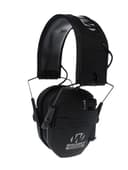
Walker's Razor Slim Electronic Muff

Walker's Razor Slim Electronic Muff

Best overall

The default answer in this category, and the reason is the spec sheet rather than the badge: Walker's publishes a 23 dB NRR, a 0.02 second compression reaction time and two high-gain omnidirectional microphones, which is more than most rivals will state at any price. Low-profile cups matter more than they sound — a fat muff pushes off the stock when you mount a gun.

23 dB · muff
9.1/ 10
$31.48View on Amazon

$35.0910% off

Price as of October 18, 2026. #ad How we’re funded

2
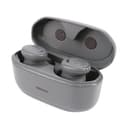
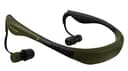
Pro Ears Lightweight Earbuds 28

Pro Ears Lightweight Earbuds 28

Highest published rating, and best buds

The budget answer to “I want buds, not muffs,” and the highest published rating on this page at 28 dB. In-ear protection is the right shape for a hunter rather than a range shooter: nothing on your head to catch a bowstring, nothing to push off a stock, and nothing to take off when you climb.

28 dB · earbuds
8.7/ 10
$52.61View on Amazon

Price as of October 18, 2026. #ad How we’re funded

3
Walker's Suppressor Earbuds

Walker's Suppressor Earbuds

Best for long wet sits

The most complete spec sheet in this category at anything like a budget price: 25 dB NRR, a 36 hour battery and a waterproof rating, all three published. If you hunt wet, sit long, and want buds rather than muffs, this is the one that will not quit halfway through a weekend.

25 dB · earbuds
8.6/ 10
$95.99View on Amazon

Price as of October 18, 2026. #ad How we’re funded

4
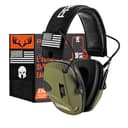
PROHEAR Electronic Ear Protection (4X amplification)

PROHEAR Electronic Ear Protection (4X amplification)

Cheapest with a published NRR

The cheapest muff on this page that still states a number. Its listing publishes NRR 23 dB and 4x sound amplification, which is the same protection rating as our top pick for less money — what you give up is the published reaction time and the brand's service history, not the rating.

23 dB · muff
8.5/ 10
$29.99View on Amazon

$38.9923% off

Price as of October 18, 2026. #ad How we’re funded

5
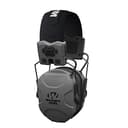
Walker's XCEL Digital Bluetooth Muff

Walker's XCEL Digital Bluetooth Muff

Best for speech clarity and Bluetooth

The step up, and the one feature worth paying for is in the name: Voice Clarity. A digital circuit that separates speech from wind and leaf noise is genuinely different from raw amplification, and Bluetooth means the muff doubles as the thing you listen to on a long sit. It is also the only pick here that does two jobs.

Not published · muff
8.3/ 10
$48.12View on Amazon

$56.6215% off

Price as of October 18, 2026. #ad How we’re funded

The picks in full

#1Best overall9.1/ 10 value

Walker's Razor Slim Electronic Muff

The default answer in this category, and the reason is the spec sheet rather than the badge: Walker's publishes a 23 dB NRR, a 0.02 second compression reaction time and two high-gain omnidirectional microphones, which is more than most rivals will state at any price. Low-profile cups matter more than they sound — a fat muff pushes off the stock when you mount a gun.

Strengths

  • 23 dB NRR published by the maker in writing, not implied
  • 0.02 second sound-activated compression reaction time is a stated figure, which is rare below $50
  • Two high-gain omnidirectional microphones, so you hear game and range commands between shots
  • Slim cup profile does not fight a gun stock at the cheek weld
  • Runs on two AAA batteries, included — a flat battery is a thirty-second fix in the field

Trade-offs

  • Walker's publishes no weight and no warranty term for this model
  • Electronic muffs are bulky in a pack compared with plugs or buds
  • 23 dB NRR alone is below what NIOSH recommends for firearm noise — double up with plugs at a range
Noise Reduction Rating23 dB (maker published)
TypeElectronic over-ear muff
Reaction time0.02 s sound-activated compression
MicrophonesTwo high-gain omnidirectional
Power2 x AAA (included)
WeightNot published
Warranty termNot published

Specs read from the product listing, on October 11, 2026. “Not published” means the maker doesn’t state that figure. The score is our value rating, not a lab test — how we rank.

#2Highest published rating, and best buds8.7/ 10 value

Pro Ears Lightweight Earbuds 28

The budget answer to “I want buds, not muffs,” and the highest published rating on this page at 28 dB. In-ear protection is the right shape for a hunter rather than a range shooter: nothing on your head to catch a bowstring, nothing to push off a stock, and nothing to take off when you climb.

Strengths

  • 28 dB protection published on the listing — the highest rating of any pick here
  • In-ear form factor keeps your head clear for a bowstring, a stock and a climb
  • Electronic noise amplification, so you still hear movement in the leaves
  • A dedicated hearing-protection maker rather than a general electronics brand

Trade-offs

  • Corded buds tangle and snag on clothing in a way muffs do not
  • The listing publishes no battery type, runtime or warranty term
  • In-ear fit is far more dependent on your ear canal than a muff is — a poor seal loses most of the rating
Noise Reduction Rating28 dB (listing published)
TypeElectronic in-ear buds
AmplificationElectronic noise amplification (listing published)
Battery / runtimeNot published
Warranty termNot published

Specs read from the product listing, on October 11, 2026. “Not published” means the maker doesn’t state that figure. The score is our value rating, not a lab test — how we rank.

#3Best for long wet sits8.6/ 10 value

Walker's Suppressor Earbuds

The most complete spec sheet in this category at anything like a budget price: 25 dB NRR, a 36 hour battery and a waterproof rating, all three published. If you hunt wet, sit long, and want buds rather than muffs, this is the one that will not quit halfway through a weekend.

Strengths

  • 25 dB NRR published, alongside a 36-hour battery figure — both stated, which is unusual
  • Waterproof design published, which matters more on a November sit than any audio spec
  • Cordless, so nothing to snag when you draw a bow or shoulder a gun

Trade-offs

  • The most expensive pick on this page by a wide margin
  • 25 dB is a lower published rating than the corded Pro Ears buds
  • Rechargeable means a dead battery is a charge, not a battery swap — plan ahead
  • No warranty term published on the listing
Noise Reduction Rating25 dB (listing published)
TypeCordless electronic in-ear buds
Battery36 hours (listing published)
Water resistanceWaterproof design (listing published)
Warranty termNot published

Specs read from the product listing, on October 11, 2026. “Not published” means the maker doesn’t state that figure. The score is our value rating, not a lab test — how we rank.

#4Cheapest with a published NRR8.5/ 10 value

PROHEAR Electronic Ear Protection (4X amplification)

The cheapest muff on this page that still states a number. Its listing publishes NRR 23 dB and 4x sound amplification, which is the same protection rating as our top pick for less money — what you give up is the published reaction time and the brand's service history, not the rating.

Strengths

  • NRR 23 dB stated on the listing — the same rating as the Walker's
  • 4x sound amplification is published, which is the figure that matters for hearing a deer approach
  • The lowest entry price here for an electronic muff

Trade-offs

  • No published compression reaction time, which is the spec that decides how well it handles a shot
  • No published warranty term and a thinner service record than Walker's or Pro Ears
  • Cup profile is chunkier than the Razor Slim at the cheek weld
Noise Reduction Rating23 dB (listing published)
TypeElectronic over-ear muff
Amplification4x (listing published)
Reaction timeNot published
PowerNot published
Warranty termNot published

Specs read from the product listing, on October 11, 2026. “Not published” means the maker doesn’t state that figure. The score is our value rating, not a lab test — how we rank.

#5Best for speech clarity and Bluetooth8.3/ 10 value

Walker's XCEL Digital Bluetooth Muff

The step up, and the one feature worth paying for is in the name: Voice Clarity. A digital circuit that separates speech from wind and leaf noise is genuinely different from raw amplification, and Bluetooth means the muff doubles as the thing you listen to on a long sit. It is also the only pick here that does two jobs.

Strengths

  • Digital circuit with Voice Clarity rather than flat amplification
  • Bluetooth, so one item in the pack covers protection and audio
  • Walker's publishes the same slim-cup design language that keeps a stock weld clean

Trade-offs

  • Costs noticeably more than the plain Razor Slim for a protection rating the listing does not restate
  • No NRR figure is published on this listing — we will not carry one across from another model
  • Bluetooth and digital processing mean more battery drain than the AAA Razor Slim
Noise Reduction RatingNot published
TypeDigital electronic over-ear muff
AudioBluetooth, Voice Clarity (listing published)
Reaction timeNot published
PowerNot published
Warranty termNot published

Specs read from the product listing, on October 11, 2026. “Not published” means the maker doesn’t state that figure. The score is our value rating, not a lab test — how we rank.

Why this matters more than it sounds

The National Institute on Deafness and Other Communication Disorders puts the threshold plainly: long or repeated exposure to sounds at or above 85 dBA can cause hearing loss. For scale, the same federal page rates a fireworks show at 140 to 160 dBA. A gunshot is the same kind of event — a very short, very intense impulse — and the institute is explicit about what that can do: an extremely loud burst can rupture the eardrum or damage the bones of the middle ear, and that kind of hearing loss “can be immediate and permanent.”

Two things follow. First, there is no such thing as “just one shot” — this is not a cumulative-exposure problem you can budget for the way you budget for a loud workplace. Second, the number on the box is the thing to shop on, because it is the only number in this category that describes protection rather than convenience.

How to choose: the four things that decide it

1. The Noise Reduction Rating, and whether it exists

NRR is a decibel figure from a standardized test, and it is the whole point of the product. Here is the uncomfortable finding from building this page: two of the five picks below do not publish one.The Walker’s XCEL Bluetooth muff publishes Bluetooth and Voice Clarity but no rating on its listing, and we refuse to borrow the Razor Slim’s 23 dB and apply it to a different housing.

Treat a missing NRR as a reason to buy something else unless you want the product for a different reason entirely. In this category a brand that will not state a rating is telling you what it prioritized.

2. Reaction time — the spec almost nobody states

Electronic protection works by letting quiet sound through and compressing loud sound down to a safe level. How fast it clamps is therefore the engineering question, and Walker’s is the only maker here that publishes an answer: a 0.02 second reaction time on the Razor Slim. The PROHEAR muff publishes 4x amplification but no reaction time; nor does any other pick.

That single published figure is most of why the Razor Slim is our top pick rather than the cheaper PROHEAR, which carries the same published 23 dB rating for less money. Same protection rating, less disclosure about how it achieves it.

3. Muffs or buds — a hunting question, not a comfort one

For a range, muffs win on seal and on nothing-in-your-ear comfort. For hunting, the calculus is different and it comes down to what else is on your body:

  • Bowhunters should look at buds first. A muff headband is exactly where a bowstring goes. Our bow shot-placement guide assumes nothing is interfering with your anchor point, and a muff interferes with it.
  • Rifle and shotgun hunters should check the cup profile.A thick muff pushes off the stock and raises your cheek weld, which moves your eye out of the scope. This is the reason “slim” appears in so many product names and it is a real functional difference, not styling — see our scope mounting guide for why eye position matters.
  • Anyone climbing should prefer buds. Muffs get knocked off by branches, and a muff in your hand at eighteen feet is a muff in the leaves below you. Our climbing-sticks guide is blunt that both hands belong on the tree.
  • Cold-weather sitters should prefer muffs.They cover your ears, which is a genuine warmth advantage on a late-season sit — see our cold-weather kit page.

4. Power source, which decides whether it works at 5 a.m.

Only one pick here publishes its power source: the Razor Slim runs on two AAA batteries, included. That is a real advantage over a rechargeable unit, because a flat AAA is a thirty-second fix from a spare in your pack and a flat rechargeable is the end of the feature. The Walker’s Suppressor buds counter with a published 36 hour battery, which is a weekend. Everything else on this page publishes nothing about power at all.

The specification table, including the gaps

Every cell below comes from the tracked listing or the maker’s own spec page. The blanks are the finding.

SpecRazor SlimPro Ears 28SuppressorPROHEARXCEL BT
Published NRR23 dB28 dB25 dB23 dBNot published
FormMuffCorded budsCordless budsMuffMuff
Reaction time0.02 sNot publishedNot publishedNot publishedNot published
Amplification stated2 omni micsYesHD sound4xVoice Clarity
Power2 x AAA incl.Not published36 hNot publishedNot published
Water resistanceNot publishedNot publishedWaterproofNot publishedNot published
Warranty termNot publishedNot publishedNot publishedNot publishedNot published

Note the row that is empty all the way across: not one maker on this page publishes a warranty term. In a category full of electronics worn in rain and dropped out of trees, that is worth knowing before you decide the most expensive pick is the safest one.

What the cheap end of this category gets right

Hearing protection is one of the few places in hunting where the budget product is not a compromised version of the expensive one. The physics of a sealed cup and a compression circuit are mature and cheap. What premium money buys above these picks is mostly audio quality, app control and finish — not protection. A $30 muff with a published 23 dB rating protects your hearing. A $300 bud with a published 25 dB rating protects it slightly better and sounds much nicer doing it.

That is the opposite of, say, optics, where our binocular rankings are an exercise in finding the least-compromised cheap glass. Here the cheap option is genuinely sufficient, which makes skipping it the only bad decision available.

The free habits that matter as much as the purchase

  • Double up at the range, not in the woods. Wearing foam plugs under muffs is standard practice for sustained shooting and costs almost nothing. The same logic applies to a day of upland hunting, which involves more shots next to other people than any other kind of hunting most of us do. It is the right setup for sighting in — which, if you are doing it properly, means a lot of shots in a row. Our sight-in guide and the crossbow version both involve more rounds than any hunt will.
  • Put it on before you load.The shot you do not expect is the one that hurts you, and that includes somebody else’s. The industry’s core firearm safety rules treat a firing line as live for as long as it is live, and your ears are part of what that protects.
  • Check the seal, every time, with buds. An in-ear protector that is not seated loses most of its rating. This is the single biggest practical difference between muffs and buds: a muff is hard to wear wrong, and a bud is easy to.
  • Carry spare batteries, not a spare protector. Two AAAs weigh nothing and live in the same pocket as your headlamp spares — see our pack loading guide.
  • Protect the kids first. If you take a young hunter out, their protection is not optional and not something to economize on. Our youth bow roundup and new-hunter gift page both treat the safety items as the first purchase rather than the last.

Who should buy which

  • Most hunters, and anyone buying their first pair: the Walker’s Razor Slim. Best-documented protection at the price, slim enough for a stock weld, AAA batteries.
  • Bowhunters and tree climbers:the Pro Ears Lightweight Earbuds 28 — highest published rating here and nothing on your head.
  • Late-season and wet-weather sitters who want buds: the Walker’s Suppressor, for the published waterproof design and the 36 hour battery.
  • Tightest budget:the PROHEAR muff. Same published 23 dB as our top pick, less disclosure, less money.
  • Anyone who wants one device for protection and audio:the XCEL Bluetooth muff — buying it for Voice Clarity and Bluetooth, and accepting that its listing publishes no rating.
Frequently asked questions

What NRR do I need for hunting?

Shop for the highest published rating you will actually wear, and treat a missing rating as disqualifying. The picks on this page publish 23, 25 and 28 dB. For sustained shooting such as sighting in a rifle, the standard practice is to double up — foam plugs under muffs — rather than to hunt for a single higher-rated product. For hunting itself, where you fire once or twice, an electronic protector with a published rating in the low-to-mid 20s is the normal choice because it also lets you hear game.

Is electronic hearing protection worth it for hunting?

Yes, and it is the reason this category is now viable for hunters at all. Passive muffs protect your hearing by making you deaf to everything, including the deer walking in behind you, which is why so many hunters wore nothing. Electronic protection amplifies quiet ambient sound and compresses the shot, so you hear more than you would with bare ears and are still protected when you fire. At current prices the cheap electronic option costs about what a passive one used to.

Are hunting ear muffs or earbuds better?

It depends on what else you are wearing or doing. Muffs seal more reliably, are harder to wear wrong, and keep your ears warm on a cold sit. Earbuds leave your head clear, which matters if you shoot a bow — a muff headband sits exactly where a bowstring goes — or if you climb, because muffs get knocked off by branches. Rifle and shotgun hunters should check the cup profile either way: a thick muff pushes off the stock and lifts your eye out of the scope.

How loud is a gunshot?

Loud enough that the federal guidance is unambiguous about the risk. The National Institute on Deafness and Other Communication Disorders states that long or repeated exposure to sounds at or above 85 dBA can cause hearing loss, and rates a fireworks show — the nearest everyday impulse comparison it publishes — at 140 to 160 dBA. It also states that an extremely loud burst can rupture the eardrum or damage the bones in the middle ear, and that this kind of hearing loss can be immediate and permanent. We are not going to quote a specific figure for your cartridge, because that depends on the firearm, the load and the environment.

Can you hear a deer coming with ear protection on?

With electronic protection, usually better than with bare ears. That is what the amplification is for: the microphones pick up quiet ambient sound and feed it to you at a raised level, so leaf crunch and a grunt carry further than they naturally would. The PROHEAR muff publishes 4x amplification; the Walker's Razor Slim publishes two high-gain omnidirectional microphones. With passive protection the answer is no, which is exactly why hunters stopped wearing it.

Why do some hearing protectors not publish an NRR?

Usually because the product is being sold on something else — Bluetooth, audio quality, app features — and a rating would invite a comparison the maker would rather avoid. Two of the five picks on this page publish no reaction time and one publishes no NRR at all. We say so in the table rather than borrowing a figure from a related model, because an unrated hearing protector is the one product in hunting whose claims you should not assume.

Do I need hearing protection for bow hunting?

Not for the bow itself, which is quiet. The reason a bowhunter might still want electronic protection is the amplification rather than the protection: hearing a deer move in cover before you see it is worth real money in an archery season. If that is why you are buying, buds are the right form factor, since a muff headband fouls your anchor point and string path.

Should hearing protection go on before or after you load?

Before. The shot that damages your hearing is the one you were not braced for, and on a range or in a group hunt that frequently means somebody else's. Treat protection the way you treat a treestand harness — on before the risk starts, not when you remember it.

Sources

Keep reading