Where to Shoot a Deer With a Bow
The lungs are the target, not the heart. Where to aim on each angle, which shots to pass on, and why height in a tree moves your aiming point down and across.
How this is funded: we earn a commission if you buy through our links, at no extra cost to you. It never changes which product we recommend, and we’ll tell you plainly when we’d skip one. Full disclosure.
On a broadside deer, aim low and tight behind the front shoulder — in the crease behind the leg, in the lower third of the body. That puts the arrow through both lungs, which is the biggest vital area on the animal and the one that ends things fastest. Not the heart, which is smaller, lower and further forward than most hunters picture, and not the middle of the body, which is liver and paunch.
If you take one thing from this page beyond that aiming point, take this one: a quartering-away deer is a better shot than a broadside deer, and a quartering-toward deer is usually not a shot at all. Angle matters more than distance, and knowing which angles to pass on is the single biggest difference between hunters who recover what they shoot and hunters who do not.
Why the lungs and not the heart
A whitetail’s lungs are large, they sit high in the chest cavity, and they occupy a broad area behind the shoulder on both sides. The heart sits below and ahead of them, roughly in line with the front leg, and it is small. Aim at the lungs and an error in any direction still hits something lethal — low catches the heart, back catches the back of the lungs, high catches the top of the lungs. Aim at the heart and an error low puts the arrow into the brisket, which is muscle and cartilage, and that deer is not recovered.
So the lungs are not just the bigger target; they are the target that makes your misses survivable. That is why every reputable learn-to-hunt program teaches the same reference point rather than teaching hunters to pick out organs.
The four angles, in order of preference
1. Quartering away — take it
The deer is angled away from you, showing you its ribs and its far shoulder. This is the best shot available to a bowhunter, and the reason is structural: the near-side shoulder blade is rotated out of the way, so the arrow enters soft tissue behind the ribs and angles forward into both lungs.
Where to aim: behind the ribs on the near side, driving the arrow toward the opposite front leg. Think about the exit, not the entrance. The steeper the angle away, the further back your entry point moves.
This angle also has the most forgiveness built in. A shot that lands a few inches back on a quartering-away deer is still in the lungs; the same error on a broadside deer is a liver hit.
2. Broadside — take it
The classic shot, and the one every aiming diagram shows.
Where to aim:the crease behind the front leg, in the lower third of the chest. Not halfway up the body — that is above the lungs on a deer, and it is the single most common aiming error.
The one caution on broadside is that the near-side shoulder blade is directly in front of the forward edge of the lungs. Aiming tight to the crease is right; aiming into the shoulder is not, and on a modest-draw-weight budget setup a shoulder hit is the hit most likely to fail to penetrate. Our draw weight guide covers both the legal minimums and the practical floor for a reliable pass-through.
3. Quartering toward — usually pass
The deer is angled toward you. The near-side shoulder blade and leg bone now sit directly between your arrow and the vitals, and the window behind them is narrow. A broadhead stopped by that structure leaves a wounded animal and a short blood trail.
Wait. A feeding or walking deer usually turns within a minute or two, and passing on this angle costs you nothing except patience.
4. Facing you or straight away — pass
A frontal shot presents a target the width of a hand with heavy bone around it, and a straight-away shot offers the hams and the spine. With archery equipment both are low-percentage and neither offers a forgiving miss. The fair-chase ethic that bodies like the Pope and Young Club codify for bow-harvested game is built on exactly this kind of restraint: the shot you do not take is part of the standard.
Height changes everything
Every aiming diagram you have ever seen was drawn from the side, at ground level. You will almost certainly be shooting from fifteen feet up, and that changes the geometry in a way that genuinely surprises people the first time they see an arrow exit low on the off side.
From a steep angle, an arrow entering at the “correct” broadside spot travels downward through the body and exits below the off-side lung. The result can be a single-lung hit on a deer you were certain you had centred.
Two corrections, both free:
- Aim slightly lower than the flat-ground picture, and the steeper the angle, the lower.
- Aim at the exit, not the entrance.Pick the point on the far side you want the arrow to leave through — usually the off-side front leg — and send the arrow along that line. This single habit fixes the angle problem on every shot, from every height, at every deer orientation.
Height also makes the shot angle steeper the closer the deer is, which is why a deer directly under the tree is a poor shot and not a gift. If you find yourself climbing higher than you need to, our guide to how many climbing sticks you need makes the case that lower and better-concealed beats higher.
Ducking the string, and the aiming answer
A deer hears the shot before the arrow arrives, and its reaction is to crouch and load its legs. At close range in still air, that drop can be several inches while the arrow is in flight — which is how a perfectly executed shot becomes a hit high over the lungs.
You cannot out-aim physics, but you can stack the odds:
- Aim the lower third. If the deer drops, you are still in the chest. If it does not, you are in the heart-lung junction. This is the argument for the low aiming point even before you consider angle.
- Quiet the bow. Dampeners and a quiet rest cost a few dollars; both of the budget crossbows we track carry the same honest note that they are loud without them.
- Do not shoot an alert deer. A deer that is staring at you with its muscles tight is the one that ducks. A relaxed, preoccupied, feeding deer is the one that does not.
- Shoot closer, not further. Flight time is the enemy, and twenty yards gives a deer less time than forty.
What to do in the thirty seconds after the shot
- Watch, and listen. Note exactly where the deer was standing and the last spot you saw it. Memory degrades fast under adrenaline; pick a landmark, not a feeling.
- Note the arrow. A pass-through and the appearance of the arrow tell you a great deal about where you hit.
- Do not get down immediately on a marginal hit. Pushing a wounded deer is the most common reason one is never found. Sit and think.
- Know your light and your law.Legal shooting hours are published by your state agency relative to sunrise and sunset, and recovery after dark usually has its own provision — worth knowing before you need it. Our guide to red versus green light covers why blood reads black under a green beam, which is the one piece of equipment knowledge that genuinely helps a trail.
- Then dress it properly. Our field dressing guide and our field quartering guide cover the two routes from there, depending on how far you are from a vehicle.
The equipment that supports good placement
Shot placement is a skill, not a purchase, but two pieces of gear affect which shots you can responsibly take.
The broadhead.A heavy fixed head penetrates best and buys you margin on a tight angle or a brush of bone. A large mechanical opens a wider channel and bleeds better on a clean broadside hit, at the cost of penetration. On a budget setup with modest draw weight, we would take the fixed head — the full argument is in our fixed versus mechanical comparison, and the field is in the broadhead rankings. Whichever you pick, it has to be legal: several states publish minimum cutting diameters and blade requirements alongside their minimum draw weight.
A rangefinder.Almost every bad bow shot starts with a wrong yardage. Removing the guess is the cheapest accuracy upgrade in archery, and an angle-compensating unit matters specifically because you are shooting from a tree — see our rangefinder rankings.
The short version
Lungs, not heart. Lower third, not centre. Tight behind the shoulder, not into it. Take quartering-away first and broadside second; pass on quartering-toward, frontal and straight-away. From a tree, aim lower and think about where the arrow exits. Shoot at a relaxed deer inside the distance you practise at. Everything else is equipment, and equipment is the smaller half of this.
The broadheads this guide earns
Ranked on price-per-performance — the specs that matter divided by what it costs. Select a row to jump to the full write-up. We have not field-tested these — here is exactly what we do instead.
| # | Product | Type / weight | Score | Price |
|---|---|---|---|---|
| 1 | 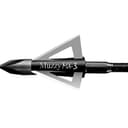 Muzzy MX-3 100 gr (3-pack) Best for penetration on a tight angle The cheapest fixed head here from a name that has been killing deer since the eighties. Muzzy's whole reputation is built on heads that fly straight and do not fold on a shoulder — this is the budget version of that promise. | Fixed · 100 gr | 9.0/ 10 | |
| 2 | 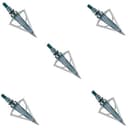 New Archery Products Thunderhead 100 (5-pack) Best replaceable-blade fixed head Five heads in a box and replaceable blades means one purchase can last several seasons. The Thunderhead has been in production for decades because the design refuses to become obsolete. | Replaceable · 100 gr | 8.9/ 10 | $40.98View on Amazon Price as of October 19, 2026. #ad How we’re funded |
| 3 | 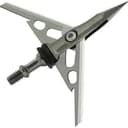 Rage Hypo 2 Slipcam 100 gr (4-pack) Best mechanical for a broadside shot The mechanical on the page, and the honest reason to buy one: it flies like a field point, so a bow you have not perfectly tuned still hits where it is aimed. You pay for that with energy spent opening a stated 2 in of blade. | Mechanical · 100 gr | 8.5/ 10 | $54.99View on Amazon Price as of October 19, 2026. #ad How we’re funded |
Check your state’s regulations. Hunting laws vary by state and change year to year — legal calibers, minimum bow draw weights, blaze-orange rules, seasons and treestand requirements included. Confirm the rules with your state wildlife agency before you hunt. Blaze & Budget is written by an enthusiast, not a game warden, and nothing here is legal advice.
Frequently asked questions
Where do you aim on a deer with a bow?
On a broadside deer, aim low and tight behind the front shoulder — roughly in the crease the back of the front leg makes, in the lower third of the body. That line puts an arrow through both lungs, which is the largest vital area and the one that produces the fastest, most certain result. Do not aim at the middle of the body, and do not aim at the heart, which is low, forward and small enough that missing it low means a non-fatal brisket hit.
Is quartering away a good shot with a bow?
It is the best shot in bowhunting. A deer angled away presents the vitals without the near-side shoulder in front of them, so the arrow enters behind the ribs and angles forward into both lungs. Aim to drive the arrow toward the opposite front leg. It also gives you the most forgiveness: a shot that lands slightly back on a quartering-away deer still reaches the lungs, where the same error on a broadside deer is a liver or gut hit.
Should you take a quartering-toward shot with a bow?
Generally no. On a deer angled toward you, the near-side shoulder blade and leg bone sit directly between your arrow and both lungs, and a broadhead that hits that structure may not penetrate far enough to be fatal. The window behind it is narrow and the consequence of missing it is a wounded deer. Wait for the animal to turn. Passing on a bad angle is a skill, not a failure.
How does treestand height change where you aim?
The steeper the angle, the more your entry and exit holes move. From high in a tree, an arrow entering where a broadside aiming point sits on the ground will exit low on the far side and may clip only one lung. The correction is to aim slightly lower, and to think about the exit — pick the spot on the far side you want the arrow to leave through, usually the offside front leg, and aim the arrow along that line rather than at a two-dimensional spot.
Why do deer duck an arrow?
Because a deer reacts to the sound of the shot before the arrow arrives, and its reaction is to crouch and load its legs to spring. At close range in quiet conditions this can drop the body several inches in the time the arrow is in flight, which turns a lung shot into a high, non-fatal hit or a clean miss over the back. The mitigations are a quieter bow, aiming at the lower third rather than the centre of the chest, and not shooting at an alert deer that is already staring at you.
How long should you wait before tracking a deer shot with a bow?
On a confident double-lung hit, a short wait is enough and the deer is usually dead within sight or sound. On any shot you are unsure of, and on any hit that looks far back, wait — pushing a wounded deer is the most common reason one is never recovered. Mark where the deer was standing and where it entered cover before you move, and note that legal shooting hours end at a published time relative to sunset in your state even though legal recovery after dark usually has its own provision.
Does broadhead choice change shot placement?
Not where you aim, but it changes which angles you should accept. A heavy fixed-blade head penetrates best and gives you the most margin on a tight or bony angle. A large mechanical opens a wider wound channel and leaves a better blood trail on a clean broadside hit, and gives up penetration to do it. On a budget setup with modest draw weight, the fixed head is the more forgiving choice, which is exactly why it matters more than the pattern on your clothing.
Sources
- Learn to Hunt — National Deer Association — National nonprofit beginner pathway — Deer Hunting 101, Field to Fork and mentorship (accessed July 22, 2026)
- The Records Program — Pope and Young Club — Fair-chase records authority for bow-harvested North American big game (accessed July 22, 2026)
- 58 Pa. Code § 141.43 (Deer seasons) — State regulation setting a minimum bow draw weight for deer (35 lb peak) and broadhead specs (accessed July 22, 2026)
- Wis. Admin. Code NR 10.06 — Shooting hours — A state example of legal light: in Wisconsin, 'Shooting hours for bear, bow deer, deer with firearms, elk and small game are 30 minutes before sunrise through 20 minutes after sunset' (accessed September 18, 2026)
Keep reading
Best Budget Broadheads
Five heads compared on design, published cutting diameter and live price.
See the rankingsFixed Blade vs Mechanical Broadheads
Penetration against wound channel, and which one your setup can afford.
Read the comparisonWhat Draw Weight for Deer Hunting?
The legal minimums and the practical floor for a clean pass-through.
Read the guideHow to Field Dress a Deer
What happens after the shot, step by step.
Read the guide