Why each one lands, and when they will need it
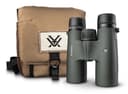
Binoculars — useful from the first morning
Why it lands: new hunters spend their first season learning to see. Almost everything about hunting is finding the animal before it finds you, and a beginner without binoculars is hunting with half the information. This is the pick that gets used every hour of every sit from day one. Who it suits: anyone hunting big game, with any weapon. What to check: nothing about them — binoculars have no size and no compatibility. Look for a no-fault lifetime warranty, which at this price is a genuine differentiator: a beginner is the person most likely to drop a pair down a tree, and a warranty that replaces it without a receipt turns a budget purchase into a buy-once one. Our binocular buying guide explains 8× versus 10× if you want to choose differently.
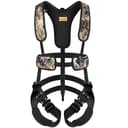
A full-body harness — before their first elevated hunt
Why it lands: falls are the injury that actually happens to deer hunters, and beginners are at the greatest risk because they are still learning how to climb, hang and settle into a stand. State wildlife agencies are unambiguous about wearing a full-body harness on every elevated hunt. Who it suits: anyone who will hunt from a treestand, ladder stand or climbing sticks — ask before you buy, because a ground-blind hunter has no use for it. What to check: the maker’s size and weight range, and that it is new. Fall-arrest webbing degrades invisibly under UV, so this is the one category where used is genuinely unsafe. Pair it with our treestand safety guide, which is free and worth reading before their first hang.
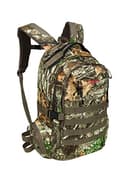
A daypack — the second thing they will notice missing
Why it lands: a new hunter carries their gear in a plastic grocery bag or their coat pockets for exactly one season before realizing the problem. A simple daypack holds water, a knife, a light, snacks, a rain layer and tags, and makes the walk in feel organized rather than chaotic. Who it suits: everyone, especially anyone hunting public land where they walk any distance. What to check: nothing — packs adjust and are not sized like clothing. Keep it modest: a beginner does not need a 5,000 cubic-inch frame pack, and a big empty pack invites carrying junk. The pack roundup covers the sizes.
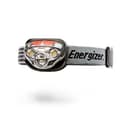
A headlamp — needed the very first morning
Why it lands: hunting starts in the dark. A beginner walking into unfamiliar public land before dawn with a phone flashlight is the most common avoidable misery of a first season. Who it suits: everyone, with no exceptions. What to check: that it has a red or green mode. White light destroys night vision, and beginners are the people who most need to be able to see a trail marker without blinding themselves. Cheap AAA models are fine here — the headlamp roundup has the step-up options for later.
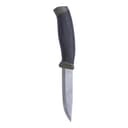
A knife — needed the first time something goes down
Why it lands: a simple fixed blade is the tool a new hunter needs the day the hunting actually works, and it is also the one they are most likely to over-buy. Cheap, sharp and easy to re-sharpen beats ornate every time. Who it suits: everyone. What to check: pair it with a basic sharpening stone and point them at how to sharpen a hunting knife — a dull knife is the actual problem a beginner runs into, and sharpening is a skill nobody is born with. Our field-dressing guide is the other half of that gift, and it costs nothing.
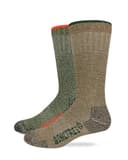
Merino socks — the cheap gift that changes a cold sit
Why it lands: beginners quit hunts early because they are cold, and feet go first. Wool keeps insulating when damp; the cotton socks in their drawer do not. Who it suits: everyone, especially anyone sitting still in November. What to check: shoe size, and buy boot-height rather than ankle socks. See the sock roundup and how to keep your feet warm hunting, which is the part most beginners get wrong by wearing socks that are too thick for their boots.
The gift that beats all six
If the person is genuinely new — no licence yet, no first season behind them — the highest-value thing you can give them is access rather than equipment.
- Their hunter-education course and licence. Every state requires hunter safety certification for new hunters, and state agencies run the pathway directly; the Minnesota DNR’s “start hunting” page is a good example of what that looks like. Covering the course fee, the licence and the tag is unglamorous and removes the actual barrier.
- A mentored hunt. The National Deer Association runs beginner pathways including Deer Hunting 101 and Field to Fork, and many state agencies run learn-to-hunt weekends. A day with someone experienced teaches more than a thousand dollars of gear.
- Your time. The U.S. Fish & Wildlife Service counted 14.4 million hunters aged 16 and over in 2022, and among new entrants the demographics are shifting — while women make up 17 percent of all active hunters, they represent 33 percent of entrants. A lot of those newcomers have no one to go with, which is a bigger barrier than any piece of equipment on this page.
What not to buy a new hunter
Three categories dominate first-year gear regret, and all three are easy to avoid.
- A full camo wardrobe. Deer see colour differently from us and pattern matters far less than movement and wind. A beginner needs warm, quiet and weather-proof clothing far more than a specific pattern — what to wear deer hunting covers what actually matters.
- Calls, scents and gadgets. These are skill multipliers for hunters who already have the skill. In a first season they are distractions, and most beginners over-call.
- Anything sized to their body. Boots above all. A boot that does not fit will end a hunt faster than no boot at all, and beginners have not yet learned what fit they want.
If you want the whole picture of what a first season costs before you buy anything, our cost-to-start guide itemizes it honestly, and the public-land gear list turns it into a checklist you can buy against.