Why these six, in gifter terms
Below is the short version of each pick for someone who does not hunt: why it lands, who it suits, and the one thing to check before you buy.
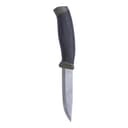
A working fixed-blade knife
Why it lands: a knife is needed every time an animal goes down, and the good ones at this price are Scandinavian working knives rather than decorative ones — simple carbon or stainless steel, a comfortable handle, an edge that re-sharpens easily on a cheap stone. Who it suits: any hunter, any experience level. What to check: nothing about them. Skip the engraved collector version; the knife that gets used is the one they are not precious about. Adding a basic sharpening stone makes this a complete gift — our sharpening guide explains the angle, which is the whole skill.
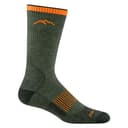
Merino wool socks
Why it lands: cold, wet feet end hunts earlier than anything else. NIOSH puts the point plainly for outdoor workers: wet feet lose heat twenty-five times faster than dry feet, and trench foot can occur at temperatures as high as 60 °F if feet stay constantly wet. Wool keeps insulating when damp; cotton stops. Who it suits: everyone, and especially anyone who sits still in the cold for hours. What to check: shoe size, and buy boot-height socks (crew or over-the-calf), not ankle socks. Our hunting sock roundup has cheaper merino options if you want to pair socks with something else.
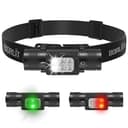
A headlamp
Why it lands: hunters walk in before first light and out after dark, usually with both hands full. A headlamp is used on every single hunt without exception, and most people are still using a cheap one with tired batteries. Who it suits: everyone — the safest pick on this page. What to check: whether they want a red or green mode. White light ruins night vision and spooks game; hunters use coloured light for walking in and for following a blood trail. The pick above has both. If you are choosing another, that feature is worth more than raw lumens — see the budget headlamp roundup.
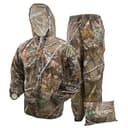
A packable rain suit
Why it lands: rain gear is the thing hunters keep meaning to replace and never do, because it is boring to buy. A light suit that lives permanently in the bottom of a pack is the difference between sitting out a shower and driving home. Who it suits: anyone who hunts a full season, in any state that gets weather. What to check: size — this is the only sized item on the page. Packable suits are cut loose to fit over hunting layers, so if you are unsure, their normal jacket size is usually right and one size up is safer than one size down. The full rain-gear roundup covers the more serious options.
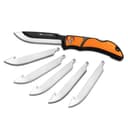
A replaceable-blade knife
Why it lands: sharpening is a skill, and plenty of hunters never learn it. A replaceable-blade knife sidesteps the problem entirely: a fresh scalpel-sharp blade every time, which matters most on the long job of skinning and quartering when a dull blade turns careful work into a fight. Who it suits: newer hunters, and anyone who processes their own deer. What to check: that you include spare blades — the knife is only as good as the pack of replacements beside it, and they are cheap. See fixed blade vs replaceable blade for which suits their style.
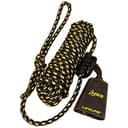
A treestand lifeline
Why it lands: this is the piece almost every treestand hunter skips, and it is the one that covers the part of the hunt where falls happen — climbing up and climbing down. A harness alone protects you once you are seated; a lifeline keeps you connected from the ground to the stand and back. Who it suits: anyone who hunts from a treestand or a saddle. Ask first whether they hunt from the ground, in which case skip this one. What to check — and this is non-negotiable: buy it new. Fall-arrest webbing degrades invisibly under UV and a lifeline or harness that has already caught a fall is finished while looking perfect. This is the only category on this entire site where we say buy new regardless of budget. Our safety harness roundup and the treestand safety guide explain why.
What $50 does not buy in hunting
Being honest about the ceiling is more useful than pretending it does not exist. Under $50 you are not buying binoculars worth using, a rangefinder, a trail camera from an established brand, boots, or any serious insulated clothing. If that is the gift you had in mind, the under-$100 bracket is where those start, and it is a genuinely different page rather than the same picks with bigger numbers.
The other thing $50 does not buy is a licence and tag, which is what a hunter actually needs before any of this matters. Fees vary widely by state and by residency, so a gift card to their state wildlife agency or to a retailer that sells licences is an unglamorous, genuinely useful gift — our cost-to-start guide itemizes the whole first-year picture.