Why each one lands, and what to check
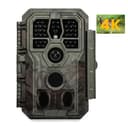
A trail camera
Why it lands: it is the only gift here that works while the hunter is asleep or at their job. A camera on a trail turns the off-season into scouting and gives them something to check every week of the year, which is why it is the piece of gear hunters talk about most. Who it suits: whitetail hunters above all, plus anyone with private ground or a lease. What to check — the real one: trail-camera law varies by state and land type. Delaware prohibits trail cameras for recreational use on state wildlife areas, state forests and state parks, and several western states restrict them in season. If they hunt public land, check their state agency’s regulations first. Also prefer a standard SD-card camera over a cellular one unless you intend to pay for the plan — a cellular camera without a subscription is an expensive standard camera. The trail camera roundup and cellular vs standard comparison cover the difference.
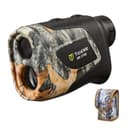
A rangefinder
Why it lands: distance is the one number an ethical shot depends on, and people are poor at estimating it under trees, across fields, or looking down from height. A bowhunter without a rangefinder is guessing at the worst possible moment. Who it suits: bowhunters and crossbow hunters first, then rifle hunters in open country. What to check: that it has angle compensation — sometimes printed as ARC, slope or angle range compensation. Shooting down out of a treestand changes the effective distance, and a unit without it hands a bowhunter a number that is subtly wrong. The pick above has it; our rangefinder buying guide explains why maximum range, the number printed largest on the box, is the least useful spec in the category.
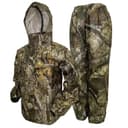
A three-layer rain suit
Why it lands: weather is the most common reason a hunt gets cut short, and proper rain gear is the classic “I’ll replace it next year” purchase. A jacket-and-trouser suit that actually keeps water out for a full sit is a gift that gets used in the first week of bad weather. Who it suits: anyone hunting a full season anywhere with rain. What to check: size — the only sized item here. Rain suits are cut loose to go over hunting layers, so their usual jacket size is normally right, and one size up is safer than one size down. Note that frogg toggs publishes its own rating scale — 5,000 mm of waterproofing for light conditions, 10,000 mm for mild and 20,000+ mm for extreme — but does not publish a number for every fabric it sells, which is the kind of gap we flag rather than fill in. The rain-gear roundup has the full comparison.
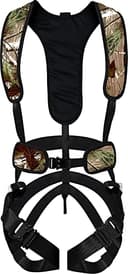
A full-body safety harness
Why it lands: it is the gift a hunter will not buy themselves and should. State wildlife agencies are unambiguous about full-body harness use on every elevated hunt, and the harness that gets worn is the comfortable one rather than the free one that came in the box with the stand. Who it suits: treestand and saddle hunters. Ask first whether they hunt elevated at all — a ground-blind hunter has no use for it. What to check: buy it new, always. Fall-arrest webbing degrades invisibly under UV, and a harness that has already caught a fall is finished while looking untouched. Check the maker’s size and weight range against the recipient before buying. Our safety harness roundup covers the sizing question in full.
A glassing tripod
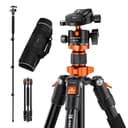
Why it lands: this is the insider pick. Binoculars held by hand shake, and a shaking image hides animals — put the same glass on a tripod and hunters find deer they were looking straight past. Almost nobody buys their own first tripod. Who it suits: open-country hunters, western hunters, and anyone who glasses for long stretches. Less useful for a hunter who only sits in thick timber. What to check: that they own binoculars worth mounting, and that you include or confirm an adapter — most binoculars need a small tripod adapter stud, sold separately, to attach. Vortex’s own tripod guide is a good primer, and our budget tripod roundup splits glassing tripods from shooting rests, which are not the same tool.
A buy-once headlamp
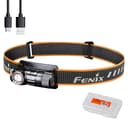
Why it lands: in the under-$50 bracket a headlamp is a good gift; at this price it is a permanent one — a sealed, rechargeable light that survives being rained on and left in a truck for a decade. Who it suits: everyone. What to check: whether they prefer rechargeable or swappable batteries. Hunters who sit all day in deep cold sometimes prefer lithium cells they can change with gloves on over an internal battery that dies at 4 p.m. Both are defensible; the headlamp roundup lays out the trade.
What the last few dollars buy at this ceiling
Two categories sit right on the $100 line and are worth understanding before you spend.
Binoculars. Under $100 you can buy usable glass, and one pair at that price carries a no-fault lifetime warranty, which is unusual value. But this is the category where the next hundred dollars genuinely changes what the eye sees in low light — so if binoculars are the gift, read binoculars under $100 and binoculars under $200 side by side and decide deliberately rather than by budget.
Boots. Do not, unless you know their size and their preference between rubber and leather. Boots are the single most personal item in hunting and the most expensive mistake to get wrong. If you want the boot gift without the risk, buy the socks and let them pick the boots.
If you are buying in October or November
Three of the six picks here are in product classes that behave very differently when the holiday sales arrive. Electronics-adjacent gear — trail cameras, rangefinders, lights — moves on price more readily than optics from brands that enforce a minimum advertised price. Our Black Friday and Cyber Monday page sets out what actually discounts in this category, what almost never does, and which classes are worth watching rather than buying today — with no invented percentages.