Why each one lands, and what to check
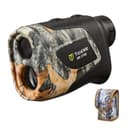
A rangefinder with angle compensation
Why it lands: a bowhunter’s effective range is short — typically inside 40 yards — and arrow drop over that distance is steep enough that a ten-yard error misses cleanly or, worse, wounds. Rifle hunters can be roughly right about distance. Bowhunters cannot. Who it suits: every bowhunter and every crossbow hunter, without exception. What to check: that it has angle compensation — ARC, slope, or angle range compensation on the box. From 20 feet up a tree, the straight-line distance to a deer is longer than the distance the arrow actually has to fly, and a rangefinder without compensation reports the wrong one. Our rangefinder guide explains the geometry, and the budget rangefinder roundup has the full comparison.
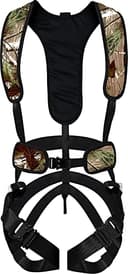
A bowhunting-specific safety harness
Why it lands: bowhunters draw a bow at height, which is the single most awkward thing anyone does in a treestand, and a harness cut for rifle hunting fouls the string and the draw. A harness designed around a bowhunter’s movement is one they will actually wear rather than leave in the truck. Who it suits: anyone who hunts from a treestand, climbing sticks or a saddle. What to check: ask whether they hunt elevated at all — a ground-blind bowhunter has no use for it. Then check the maker’s size and weight range, and buy it new. Fall-arrest webbing degrades invisibly under UV, and a harness that has already caught a fall is finished while looking perfect. See our safety harness roundup and treestand safety guide.
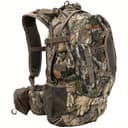
A hunting pack that carries a bow
Why it lands: a bow occupies one hand permanently, which makes everything else — climbing, glassing, using a rangefinder, dragging a deer — harder than it needs to be. A pack with a bow carry system takes it off their hands for the walk in and out. Who it suits: bowhunters who walk any distance on public land. Less useful for someone who parks fifty yards from a box blind. What to check: nothing technical — packs are adjustable and not sized like clothing. If they already own a good pack, this is the one pick here most likely to duplicate something. The budget pack roundup covers the capacity question.
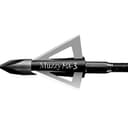
Broadheads — the one archery consumable that is usually safe
Why it lands: broadheads are consumed. Every hit head gets bent, dulled or lost, and bowhunters go through them the way rifle hunters go through ammunition — so an extra pack is genuinely useful rather than a duplicate. Who it suits: established bowhunters. What to check: grain weight. Broadheads are sold in weights — 100 grain is by far the most common — and the weight has to match what their arrows are already tuned for, or their bow shoots to a different point of impact. If you can see their quiver, the weight is printed on the packaging in their gear tub; if you cannot, 100 grain is the safest single guess, and a fixed-blade head is more forgiving of a bow that is not perfectly tuned than a mechanical. Also check their state regulations: some set a minimum broadhead cutting width, and states also set a minimum peak draw weight for big game — Pennsylvania, for example, requires 35 pounds. Our broadhead roundup and fixed vs mechanical comparison cover the choice.
A shooting glove that keeps release feel
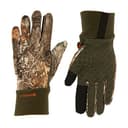
Why it lands: cold hands ruin archery before they ruin anything else. A bowhunter needs to feel a release aid’s trigger, which rules out the thick insulated gloves that work fine for a rifle hunter. Who it suits: every bowhunter who hunts past early season. What to check: glove size — the only sizing question here, and usually answerable from a glove already in their truck. A thin, close-fitting glove is the right answer for archery even though it looks inadequate next to a mitten. The hunting glove roundup explains the trade between warmth and feel.
Arrows — only if you can get one number
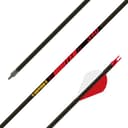
Why it lands: arrows are consumed constantly. Bowhunters lose them in the dirt, break them on rocks and shoot them into targets all summer, and a fresh dozen is always welcome. Who it suits: established bowhunters, if and only if you can find out their arrow spine. What to check — carefully: spine, which is the arrow’s stiffness and is printed on the shaft as a number such as 340, 400 or 500. The correct spine depends on their draw weight, draw length and point weight together, and an arrow with the wrong spine flies badly no matter how good it is. The easy route is to photograph the writing on one of their existing arrows and buy that number. If you cannot do that without spoiling the surprise, buy something else on this page and let them pick the arrows. Our arrow roundup explains spine properly.
What not to buy a bowhunter
Four things look like obvious archery gifts and are not.
- A bow. Draw length is fitted to their arm span and draw weight to their strength, a bow is set up by a shop for one person, and preference in this category is intensely personal. If you want to fund a bow, fund it — do not choose it. Our buying guide explains what that fitting involves.
- A release aid. Wrist strap, thumb button, hinge — these are the archery equivalent of a golf grip, and switching one is a months-long adjustment. Never a surprise.
- A sight, rest or stabilizer. All bow-specific, all requiring setup and re-tuning, and all likely to be a downgrade from what is already on the bow.
- Any used fall-arrest gear. Harnesses, tethers, lineman’s ropes and lifelines. Webbing fails invisibly and the seller has no reason to mention a fall it already caught.
If you want to buy the big thing anyway
Three questions get you most of the way there, and bowhunters are rarely offended by being asked: what spine are your arrows?, what grain broadhead do you shoot? and what is your draw length? Written on a note in your phone, those three answers unlock almost every archery gift there is. If asking is out of the question, the six picks above are the ones that need no answers at all — and a gift card to a pro shop, where a bow can be fitted and tuned in person, is a better gift than a wrong guess.