How to choose a budget hunting pack
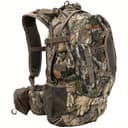
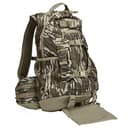
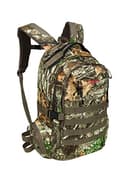
Start with volume, measured in cubic inches.Roughly: 1,500–2,500 cu in is a day-hunt pack for a stand sit or a short walk; 2,500–3,500 covers a long day with layers, optics and lunch; 4,000-plus with a frame is backcountry and meat-hauling territory. Bigger is not better — an oversized pack rides poorly half-empty and tempts you to carry weight you do not need. Our guide to what size hunting pack you need walks the four size bands and a ten-minute way to find yours.
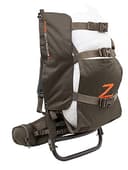
Decide whether you need a frame.A frame pack transfers heavy loads to your hips and lets you carry quartered game. If you hunt public-land elk or deep-woods deer and pack meat out, a frame is worth the weight and money. If you hunt from a stand and drag deer whole, a frameless pack is lighter, cheaper and plenty. Do not pay the frame tax for a hunt that never uses it — and note that some frames ship with no bag at all, which is the trap we unpick in ALPS Pursuit vs Commander.
Look for the hunting-specific features that earn their keep:a weapon carry system (bow or rifle) that frees your hands on the walk in, a built-in rain cover — blaze orange is a bonus where the law wants visible orange — and quiet, low-sheen fabric. A load lifter and a real hip belt matter far more than the number of zippers.
Skip the frame pack if…your whole hunt is a walk to a stand and back. You will hate carrying an empty freighter frame all season for the one weekend you might pack meat. Conversely, skip the cheapest daypack if you regularly hike miles with heavy loads — thin straps and no hip belt turn a good hunt into a sore one. Match the pack to your typical day, not your biggest one.
For what actually goes inside the pack, pair this with our public-land day pack checklist so you buy the right volume for the gear you truly carry.
And if hauling meat is the job you are buying for, the frames that actually do it are in our budget meat-hauling frame picks. Once you own the pack, how you load it is free performance — see how to pack a hunting backpack.