What an elk pack has to do that a deer pack does not
Three things change when you go west, and each of them breaks a different part of a whitetail pack.
- Volume, because the days are long and the weather is two seasons at once.A September elk hunt can run from frost at dawn to shirtsleeves at noon, which means layers in the pack all day, plus water, plus optics, plus kill kit. Around 2,000–2,500 cubic inches is a comfortable whitetail day pack; an elk day pack starts where that one ends, and a multi-day pack needs roughly double again.
- A frame, because meat is not gear.A boned-out elk is commonly quoted at roughly 150–200 pounds of meat, which is three to five loads for most people. Nothing without a real frame carries that. A frameless daypack with 60 pounds in it transfers the load to your shoulders and spine instead of your hips, which is how people get hurt.
- A lashing system, because quarters do not go inside the bag. Meat rides between the frame and the bag, or strapped to the frame directly, in game bags. A pack with no compression straps and no load shelf has nowhere to put it.
That is the whole specification. Everything else — pattern, pockets, brand — is preference.
How we ranked these four
In this order, and only on figures the listings publish:
- Published capacity. Cubic inches, as stated. The TIDEWE publishes 5,500; the Pursuit publishes roughly 2,700; the Commander Lite publishes none, because it has no bag to measure.
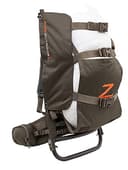
- Frame type and frame weight.The TIDEWE states an internal frame. The Commander Lite states a high-strength aluminium frame at a listed 4.7 lb and a 17–23 in adjustable torso range — the only torso adjustment published by any pack here, and the spec that most decides whether a heavy load rides on your hips.
- Meat-carry provision. The Commander Lite publishes a lashing system with three extension straps built specifically for strapping quartered game to the frame. That is the most explicit meat-carry statement in this group.
- What else is in the box. Rain cover, weapon carry, pockets. The TIDEWE includes a rain cover and bow, rifle and pistol carry; the Pursuit includes a built-in blaze rain cover.
Not one of these four listings publishes a rated load in pounds. That is a real gap and it is the same finding we recorded on the budget pack frame page: at this price point, makers publish frame material and sometimes frame weight, and nobody publishes what the frame is rated to carry. We rank on what is published and say so rather than quoting a number no one printed.
Why the TIDEWE wins on a budget
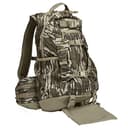
It is the only pack here that does both jobs out of one box. The published 5,500 cubic inches is genuine multi-day volume — enough for a spike camp, not just a day kit — and the internal frame is what lets it take a load rather than just hold one. Add the included rain cover and weapon carry, and the gap between it and a name-brand western pack is mostly suspension refinement, which is exactly where a budget pack is supposed to compromise.
The honest cons are the same ones the listing implies: the suspension is less refined than the ALPS on a long haul, and the pack is big and heavy for a simple day sit. If you are buying one pack to hunt elk in September and whitetails in November, you will find this pack too much for the November half of that plan.
Why the Commander Lite is the pack-out answer, not the hunting answer
The Commander Lite is a frame and a lashing system, and the listing states plainly that the main pack bag is a separate purchase. That is not a flaw; it is the product. For a hunter who hunts out of a base camp with a small day pack and needs something to get quarters to the trailhead, the frame is the correct purchase and the bag is optional.
For a hunter who wants one pack for the whole trip, it is the wrong purchase unless you also buy the bag — and once you have, the total is no longer the budget option. The listed 4.7 lb frame weight and the 17–23 in adjustable torso are both genuinely good specs at this price, and the adjustable torso is the one that will matter most at 80 pounds.
Where a daypack is honestly enough
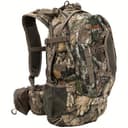
Plenty of elk hunting happens within a mile of a road, with a truck and a cooler waiting. If that is your hunt, the ALPS Pursuit at roughly 2,700 cubic inches carries a full day of layers, water, optics and a kill kit comfortably, and the built-in blaze rain cover is more useful out west than it sounds — it is weather protection and visibility in one, during a season when other people are in the same drainage.
What it will not do is carry meat. The listing says so: no pack frame, not for hauling boned-out elk. If you hunt with the Pursuit, your pack-out plan is either multiple trips with a frame left in the truck, or hunting partners. That is a legitimate plan. It is just not a pack.
The gear that goes in it
An elk pack is the one piece of gear where the contents are as decided as the pack. Three things are not optional once an animal is down in warm September weather: game bags, a sharp knife you can re-edge, and enough water to keep working. Our game bag roundup covers the bags — the elk-sized sets are called out there specifically — and how to quarter an animal in the field covers the gutless method, which is what you will be doing on a mountainside.
Heat is the enemy of September meat, and it works fast. The US Forest Service’s own guidance for hunting national forest land is to know the rules and the terrain before you go; the meat-care half of that problem is covered in how to cool an animal in warm weather, and the principles carry straight across from deer to elk, only with more urgency and more weight.
Packing it so the load rides
A budget pack carried well beats a premium pack carried badly, and the fix is free. Heavy items go high and tight against your spine, the waist belt carries the weight and the shoulder straps only stabilise it, and anything you need during the day goes in an outside pocket so you are not unpacking on a ridge in the wind. Full sequence in how to pack a hunting backpack, and the capacity question generally in what size hunting pack do I need.
If your hunt is whitetails rather than elk, start at the budget hunting backpack roundup instead — this page deliberately ranks for weight-carrying over comfort, and that is the wrong trade for a stand hunter.