How to Cool a Deer in Warm Weather
Heat spoils more venison than bad shots do. The sequence that pulls body heat out fast on a warm opener, the three things that cause spoilage, and the ice-chest routine that saves the meat you carried out.
How this is funded: we earn a commission if you buy through our links, at no extra cost to you. It never changes which product we recommend, and we’ll tell you plainly when we’d skip one. Full disclosure.
If it is warm, the plan is: field dress immediately, get the hide off or quarter the animal, get the meat into breathable game bags, and get it onto ice the same day. Hanging a whole deer overnight is a cold-weather tradition and a warm-weather mistake. The clock that matters starts at the shot, and on a 70-degree afternoon it runs fast.
Texas Parks and Wildlife’s hunter-education material puts the problem in one line: the three factors that can spoil meat through the spread of bacteria are heat, moisture and dirt. Everything below is a way of attacking one of those three. Note what that list does not include: time by itself. Time only matters because it gives heat and bacteria room to work — which is why cooling fast buys you far more than hurrying does.
Why warm-weather spoilage happens where you cannot see it
A deer carcass does not cool evenly. The surface loses heat quickly and feels cool to the hand within the hour, while the deep muscle around the hams and the inside of the hindquarters stays warm for far longer. That is where meat is lost, and it is why “it felt cool when I loaded it” is such a common and such an unreliable test.
Two structural things are working against you. The hide is an insulating layer doing exactly the job it evolved to do, and the body cavity, if left closed, is a sealed box of warm air sitting against the most valuable cuts on the animal. Both are solvable in the field with no equipment at all, and solving them is most of the battle.
The sequence, in order
1. Field dress as soon as you safely can
Opening the animal is the first cooling step, not just a cleaning step — the agency guidance is explicit that field dressing begins the cooling down of the meat. Removing the viscera takes out the warmest mass in the animal and opens the cavity to the air. Our field dressing guide covers the method; on a warm day the only change is urgency.
2. Prop the cavity open
A clean stick wedged between the ribs holds the cavity open so air can move through it. This costs nothing, takes ten seconds, and is the difference between a cavity that vents and one that holds a pocket of warm, humid air against the backstraps.
3. Keep it dry, and keep it off the dirt
Moisture and dirt are two of the three spoilage factors, and they are the two hunters most often introduce themselves. Rinsing out blood is fine — the same agency guidance says water helps clean off excess blood — but it also warns that moisture contributes to bacterial growth, so dry the animal off well afterwards. Wipe the cavity out with cloth or paper rather than leaving it wet.
Dirt is the one people underestimate. Dragging a gutted deer through leaf litter and mud packs debris into the cavity and into every cut surface. If the ground is dirty or the drag is long, quarter the animal where it lies and carry it out in bags instead.
4. Get the hide off, or skip to quarters
Above roughly shirtsleeve temperature, the hide is costing you more than it protects. Skinning removes the insulation; quartering goes further by breaking the animal into pieces small enough to actually cool and small enough to fit a cooler you already own.
The gutless method is the fastest route from a dead animal to meat in bags, and it skips the field-dressing step entirely because you never open the body cavity. It is the standard approach out west and it works just as well on a warm-weather whitetail a mile from the truck. Full sequence in how to quarter a deer in the field.
5. Game bags, not plastic
Breathable bags keep dirt, debris and flies off the meat while still letting heat and moisture out. Plastic traps both, which turns a bag into a warm, humid box — two of the three spoilage factors in one decision.
On early-season hunts specifically, the treated bags are worth the small premium: one of the sets we track publishes an antimicrobial treatment (the listing does not name the agent, which we state rather than guess). The rest of the field is ranked in the game bag roundup, and the cheapest set there covers one quartered deer.
6. Ice, with the water going somewhere
Get the quarters into a cooler as soon as you reach the vehicle. Two details decide whether this works:
- Keep the meat out of standing water. A rack, a layer of frozen water bottles, or the drain plug left open. Meat sitting in meltwater is meat sitting in the moisture that spoils it.
- Re-ice until it is cold all the way through. The first load of ice is largely consumed pulling the remaining body heat out. Check it that evening and again the next morning.
If you are a long way from a cooler, a shaded creek, a spring or simply the shady north side of a ridge buys you time — moving air and shade are free. Hanging meat in direct sun on a warm afternoon is the one thing that reliably ruins it.
Pack for the warm-weather scenario before the season
Everything above depends on gear being with you rather than in the truck. The warm-weather kill kit is small: a sharp knife you can re-edge, game bags, a length of cord, and nitrile gloves. All of it fits in a side pocket, and it is the difference between executing this sequence and improvising it.
If you hunt far enough in that a pack-out is likely, the pack frame page covers carrying the quarters, and the public-land day pack checklist covers what should already be in the bag before opening morning. For elk-sized animals in September heat, the same sequence applies with more urgency and much more weight — see the elk pack page.
What the sources do and do not say
We are deliberately not quoting a safe-temperature threshold or a maximum number of hours on this page. The state agency guidance we rely on names heat, moisture and dirt as the spoilage factors and does not publish temperature figures, and the numbers that circulate in hunting forums are not traceable to a source we read. The practical guidance above does not need them: cool it fast, keep it dry, keep it clean, and if you are in doubt about a deer that sat warm, do not eat it.
The bags this guide earns
Ranked on price-per-performance — the specs that matter divided by what it costs. Select a row to jump to the full write-up. We have not field-tested these — here is exactly what we do instead.
| # | Product | Size / count | Score | Price |
|---|---|---|---|---|
| 1 | 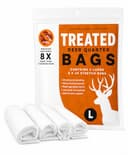 Koola Buck Treated Quarter Bags (Large 4-pack, 40") Best for early-season heat The warm-weather pick, and the only bag here whose listing says it is treated. An antimicrobial treatment is the one feature in this category that addresses the actual failure mode — an early-season deer going sour before you reach a cooler — and if your season opens in September heat it is worth the premium. | 40" · 4-pack | 8.6/ 10 | $27.99View on Amazon Price as of October 20, 2026. #ad How we’re funded |
| 2 | 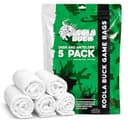 Koola Buck Standard Series Deer Game Bags (5-pack, 16x50) Best all-around size for quarters The pick if you want bags long enough for anything. 16 by 50 inches swallows a whole boned-out side, a hindquarter with the bone in, or a set of loins without folding them, and Koola Buck is a game-bag specialist rather than a brand that also happens to sell bags. Five bags is one deer plus a spare. | 16x50" · 5-pack | 8.9/ 10 | |
| 3 | 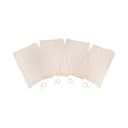 Allen Company Colorado Deer Quarter Game Bags (4-pack) Cheapest set that covers one deer The cheapest thing on this site that measurably improves your meat, and it is from an established hunting brand rather than a drop-shipper. Four bags at 20 by 12 inches is exactly one quartered whitetail, it is made in America, and it costs less than a box of shells. If you own no game bags, buy these today. | 20x12" · 4-pack | 9.2/ 10 | $13.99View on Amazon Price as of October 20, 2026. #ad How we’re funded |
Frequently asked questions
How long can a deer hang in 70 degree weather?
Not long, and the honest answer is that nobody can give you a safe number of hours that applies to every animal and every day. Texas Parks and Wildlife names the three things that spoil meat - heat, moisture and dirt - and on a warm day heat is working against you from the moment the animal goes down. Treat 70 degrees as a reason to skip hanging entirely: field dress, skin or quarter, bag and ice the same day.
Should you skin a deer right away in warm weather?
Yes. Hide is insulation, and it is holding heat in exactly the meat you want to save. On a cold day leaving the hide on protects the carcass from drying out and from debris; on a warm one it is the main thing keeping the hams warm. Skin it, or skip straight to quartering it into game bags.
Can you put a whole deer on ice?
Rarely, in practice - a whole deer does not fit in most coolers, and the parts that most need cooling are buried deepest. Quartering first is both faster and more effective: more surface area, smaller pieces, and quarters fit in a cooler you already own. If you must ice a whole carcass, bags of ice in the chest cavity and over the hams are where they do the most good.
Does putting ice inside the body cavity ruin the meat?
Ice itself does not, but standing meltwater does. Moisture is one of the three spoilage factors, so the rule is to keep the meat cold and the water moving away from it - bagged ice rather than loose, a drain plug left open, and a rack or bottles so the meat is not sitting in a pool.
Do you need game bags if you have a cooler?
Yes, if the meat spends any time outside the cooler, which it always does. Game bags are what keep dirt, debris and flies off quarters while you make the second and third trips, and they let heat and moisture out while they do it. A plastic bag traps both, which is precisely the wrong thing on a warm day.
How do you know if venison has spoiled?
Smell is the usual first sign - a sour or off odour rather than the clean, faintly metallic smell of fresh meat - along with a slick or tacky surface and a greenish cast. If a deer sat warm overnight and you are unsure, the honest answer is that doubt is reason enough not to eat it. You cannot cook spoilage out.
Is it better to hunt warm days or wait for cold ones?
Hunt when you can hunt. The National Deer Association's summary of the research on weather and movement is genuinely mixed - one study found a slight increase in buck movement during drizzle, another found bucks cut movement by as much as half on rainy days - so waiting for perfect conditions costs you more days than it buys you. Warm weather is a meat-care problem, not a reason to stay home: plan the cooling before you go, not after you shoot.
Sources
- Field Care of Game — Texas Parks and Wildlife Department — The state agency's hunter-education guidance on meat care: "The three factors that can spoil meat through the spread of bacteria are: heat, moisture and dirt"; field dressing should happen soon after the harvest because "This first step begins the cooling down of the meat"; and while water helps clean off excess blood, "moisture is one of the factors which contribute to bacteria growth, so dry the animal off well". No temperature figures are published on the page (accessed October 11, 2026)
- Does Weather Impact Deer Movement? — National Deer Association — Research summary on weather and deer activity: an Auburn study found a slight increase in buck movement during drizzle and average movement during steady rain, while the Deer-Forest Study found bucks reduced movement by as much as half on rainy days, and both found the least movement in calm conditions with activity rising as wind speed increased (accessed September 6, 2026)
- Hunting — US Forest Service — USFS rules for hunting on National Forest System land — state-law compliance and area restrictions (accessed July 22, 2026)
Keep reading
How to Quarter a Deer in the Field
The gutless method, step by step - the fastest way to get meat cooling and on your back.
Read the guideBest Game Bags for Deer
Five sets compared on published bag size, count and antimicrobial treatment.
See the rankingsHow to Field Dress a Deer
The traditional route, and the first cooling step whichever method you use.
Read the guideBest Budget Hunting Knife
The tool all of this depends on - fixed blade against replaceable blade, ranked.
See the rankings