Blaze & Budget

Best Budget Safety Harness

The cheapest piece of gear that can save your life, and the one budget hunters put off longest. Four picks, plus the rope that matters more than the harness itself.

By Stephen V.Last updated How we rank

This is the one page on this site where we are not going to help you find the absolute cheapest option and stop there. A harness is not a performance purchase, it is a consequence purchase, and the honest framing is that the money involved is trivial next to what it is for.

The good news for a budget hunter is that a competent full-body harness costs less than a pair of boots, and the version most people need costs less than a decent binocular. There is no meaningful financial argument for hunting without one.

The more important argument on this page is not which harness — it is when you are attached. Treestand safety authorities are consistent that a large share of falls happen during the climb, the transition into the stand, and the descent, which are precisely the moments when a harness alone protects nothing because you are not clipped to anything yet. That is why a lifeline appears in the table below alongside three harnesses.

We do not own this gear and have not fall-tested any of it — nobody should be taking a stranger’s word on that. Below is what each maker publishes, ranked on price-per-performance, with every unpublished figure marked as unpublished. Our method is here. Read the manufacturer instructions that come with whatever you buy; they are not optional reading on this product.

How this is funded:we earn a commission if you buy through our links, at no extra cost to you. It never changes which product we recommend, and we’ll tell you plainly when we’d skip one. Full disclosure.

Quick picks

Ranked on price-per-performance — the specs that matter divided by what it costs. Select a row to jump to the full write-up. We have not field-tested these — here is exactly what we do instead.

#ProductType / fitScorePrice
1
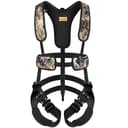
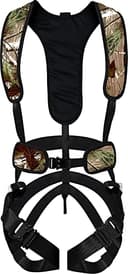
Hunter Safety System X-1 Bowhunter Harness

Hunter Safety System X-1 Bowhunter Harness

Best overall

The harness from the company that only makes harnesses. The X-1 is the minimal-bulk model, which matters because the harness you actually wear beats the better harness you left in the truck.

Full body · S/M
9.3/ 10
$69.95View on Amazon

Price as of September 5, 2026. #ad How we’re funded

2
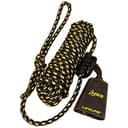
Hunter Safety System Reflective Lifeline

Hunter Safety System Reflective Lifeline

The piece most hunters skip

Not a harness — the rope that makes a harness matter. A harness only protects you once you are strapped in at the top; a lifeline keeps you connected from the ground up, which is where most falls happen.

Lifeline · reflective
8.9/ 10
$39.99View on Amazon

Price as of September 5, 2026. #ad How we’re funded

3
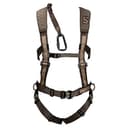
Qogir Tree Stand Safety Harness

Qogir Tree Stand Safety Harness

Cheapest worth owning

The cheapest full-body harness we would put on a hunter, and the argument for it is blunt: an inexpensive harness you own beats a good harness you decided to buy next season.

Full body · adjustable
8.4/ 10
$49.99View on Amazon

Price as of September 5, 2026. #ad How we’re funded

4
Summit Treestands Pro Safety Harness (SU83081)

Summit Treestands Pro Safety Harness (SU83081)

Best for all-day sits

The heavier, more padded option, from a stand maker that has been selling climbers for decades. If you sit all day or you are a bigger-framed hunter, the extra padding stops being a luxury.

Full body · padded
8.2/ 10
$109.99View on Amazon

Price as of September 5, 2026. #ad How we’re funded

The picks in full

#1Best overall9.3/ 10 value

Hunter Safety System X-1 Bowhunter Harness

The harness from the company that only makes harnesses. The X-1 is the minimal-bulk model, which matters because the harness you actually wear beats the better harness you left in the truck.

Strengths

  • Low bulk and light, so it does not fight a bow or a pack on the walk in
  • From a dedicated fall-safety maker rather than a stand brand's accessory line
  • All-season cut — it fits over a t-shirt in October and over layers in December

Trade-offs

  • Weight rating and included tether length are not published on the listing
  • Sized S/M and L/XL — check the size chart before you order
TypeFull-body harness
Size (this listing)Small / Medium
Weight ratingNot published
Included tether / lineman's ropeNot published

Specs read from the product listing, on August 19, 2026. “Not published” means the maker doesn’t state that figure. The score is our value rating, not a lab test — how we rank.

#2The piece most hunters skip8.9/ 10 value

Hunter Safety System Reflective Lifeline

Not a harness — the rope that makes a harness matter. A harness only protects you once you are strapped in at the top; a lifeline keeps you connected from the ground up, which is where most falls happen.

Strengths

  • Keeps you attached during the climb and descent, not just at the top
  • Reflective so you can find your tree and your rope in the dark
  • Cheap relative to the harness it completes

Trade-offs

  • One lifeline per tree — a mobile hunter needs a different approach
  • Length and rating are not published on the listing
TypeClimbing lifeline (used with a harness)
Stated featureReflective
LengthNot published
Weight ratingNot published

Specs read from the product listing, on August 19, 2026. “Not published” means the maker doesn’t state that figure. The score is our value rating, not a lab test — how we rank.

#3Cheapest worth owning8.4/ 10 value

Qogir Tree Stand Safety Harness

The cheapest full-body harness we would put on a hunter, and the argument for it is blunt: an inexpensive harness you own beats a good harness you decided to buy next season.

Strengths

  • Full-body, adjustable design at the lowest price in the category
  • Cheap enough to buy a second one for whoever hunts with you
  • Lightweight — one less excuse to skip it on a warm early-season sit

Trade-offs

  • No published weight rating or third-party certification on the listing
  • Not a specialist safety brand; verify the stitching yourself before the first climb
TypeFull-body harness
AdjustmentAdjustable (stated)
Weight ratingNot published
CertificationNot published

Specs read from the product listing, on August 19, 2026. “Not published” means the maker doesn’t state that figure. The score is our value rating, not a lab test — how we rank.

#4Best for all-day sits8.2/ 10 value

Summit Treestands Pro Safety Harness (SU83081)

The heavier, more padded option, from a stand maker that has been selling climbers for decades. If you sit all day or you are a bigger-framed hunter, the extra padding stops being a luxury.

Strengths

  • More padding and structure than the minimalist harnesses here
  • From an established treestand manufacturer with a long product history
  • Sized properly rather than one-size-fits-most

Trade-offs

  • The most expensive harness on this page
  • Bulk is real — it is more harness to carry and more to put on in the dark
TypeFull-body harness
Size (this listing)Medium
Weight ratingNot published
CertificationNot published

Specs read from the product listing, on August 19, 2026. “Not published” means the maker doesn’t state that figure. The score is our value rating, not a lab test — how we rank.

The harness is only half the system

A full-body harness does nothing on its own. It is one component of a three-part system, and budget hunters routinely buy the first part and skip the other two.

The harness

Distributes the force of a fall across your thighs, chest and shoulders rather than concentrating it at your waist. This is why a single belt is not an acceptable substitute: a waist belt arrests a fall by folding you around the middle, which can cause serious internal injury on its own.

The tether

The short strap from the harness’s rear D-ring to the tree, usually with a Prusik knot so it slides up as you climb and locks under load. The tether should be kept short and above your head, so that any fall is a short drop rather than a long one. The further you can fall before the tether catches, the more force your body absorbs.

The lifeline

This is the part that gets skipped, and it is the part that covers the most dangerous portion of the hunt. A lifeline is a rope that hangs from above your stand to the ground with a sliding Prusik on it. You clip in at the base of the tree, before your feet leave the ground, and stay attached continuously through the climb, the transition into the stand, the whole sit, and the descent.

Without one, your harness only protects you from the moment you clip into the tether at the top — which is after you have already done the climbing. That is the wrong way round, and it is why the lifeline in the table above is not a filler pick.

How to buy a harness on a budget

1. Full-body, no exceptions

Full-body means leg loops, waist and shoulder straps connected as one system. A chest harness, a climbing belt, or a rope around your waist is not a substitute and can injure you while arresting a fall.

2. Fit is the specification that matters

A harness sized wrong is a harness that does not work. Too loose and you fall further before it catches and can slip within it; too tight over a t-shirt in October means it does not close over three layers in December. Every maker publishes a size chart against height and weight — use it, and size for your December layering, not your October layering.

3. Bulk decides whether you actually wear it

The best harness is the one on your body. A heavy padded harness that you leave in the truck on a warm early-season morning protects nothing, and this is the most common real-world failure. Lightweight bowhunter-cut harnesses exist specifically to solve this, and for most budget hunters the low-bulk option is the safer purchase precisely because it gets worn.

The counter-case is the all-day sit. If you routinely sit eight hours, a padded harness is materially more comfortable, and comfort over eight hours is also a safety property — a hunter shifting around to relieve pressure is a hunter making mistakes.

4. Suspension relief straps

If you fall and hang in a harness, suspension trauma is a real hazard: the leg loops restrict blood return from the legs and you can lose consciousness in a shorter time than most hunters expect. Suspension relief straps are small loops you deploy after a fall to stand in, restoring circulation while you self-rescue or wait.

Some harnesses include them, some do not, and several of the budget listings here do not state either way — which we have marked as unpublished. If your harness does not include them, a short length of webbing with loops tied in it, carried in a pocket, is a cheap substitute worth having.

5. Check the age of what you own

Webbing degrades with UV exposure, and a harness that has lived in a truck window or hung in a barn for a decade is not the harness it was. Manufacturers publish service-life guidance and inspection procedures; follow them. Any harness that has arrested an actual fall is finished and must be replaced, no matter how it looks.

What about saddle hunting?

A hunting saddle is a different piece of equipment and it is not a fall-arrest harness in the treestand sense — it is a suspension system you sit in, and you are loaded into it continuously rather than only during a fall. Saddles have their own bridge, tether and lineman’s rope system, and a saddle hunter is attached from the ground up by design, which is one of the genuine safety advantages of the method.

What a saddle hunter still needs is a lineman’s rope for the climb and a properly rated tether, and both are usually part of a saddle kit rather than separate purchases. Our budget saddle kit roundup covers what a complete kit has to contain, and saddle hunting for beginners walks through the system.

What we would skip

  • Construction and roofing fall-arrest harnesses. They turn up in searches because they are cheap and they are built for a different job: standing on a flat surface, not sitting for hours in a tree with a bow. The D-ring position, the cut and the bulk are all wrong for hunting, and cutting or modifying one to fit destroys its rating.
  • Any single-strap or waist-only belt. Not a harness.
  • Second-hand harnesses. This is the one category on this entire site where we would not buy used, and it is not close. You cannot see UV degradation, you do not know whether it has arrested a fall, and the seller has no reason to tell you. Everything else on our used-gear guide is fair game. Not this.
  • Skipping the lifeline to save money. If the choice is genuinely between a premium harness with no lifeline and a basic harness with one, take the basic harness and the lifeline. The lifeline covers the part of the hunt where falls actually happen.

The bottom line

Buy a full-body harness that fits over your coldest layering, buy a lifeline for every tree you hunt regularly, and clip in before your feet leave the ground. That combination costs less than a mid-range trail camera and it is the only gear purchase on this site where the downside of getting it wrong is not measured in money.

Then read the safety material properly. Our treestand safety guide covers the pre-climb routine, the three-points-of-contact rule and the self-rescue plan you should have before you need it, and the manufacturer’s instructions with your specific harness override anything written here.
Check your state’s regulations. Hunting laws vary by state and change year to year — legal calibers, minimum bow draw weights, blaze-orange rules, seasons and treestand requirements included. Confirm the rules with your state wildlife agency before you hunt. Blaze & Budget is written by an enthusiast, not a game warden, and nothing here is legal advice.

Frequently asked questions

Do I really need a safety harness for a treestand?

Yes, and the safety organizations in this space are unanimous about it. A fall from a treestand is a fall onto ground from fifteen to twenty-five feet, frequently onto roots and rock, frequently alone, frequently in the dark. A full-body harness costs less than a pair of hunting boots and is the only piece of gear on a hunt where the downside of not having it is not financial. There is no budget argument against it at these prices.

What is a lifeline and do I need one with a harness?

A lifeline is a rope hung from above your stand to the ground with a sliding Prusik knot on it, so you can clip in at the base of the tree before your feet leave the ground and stay attached through the climb, the transition into the stand, the sit and the descent. It matters because a large share of treestand falls happen during climbing and transitions — exactly the moments a harness alone does not cover, since you are not clipped to anything until you reach the top.

Can I use a construction safety harness for hunting?

We would not. Construction and roofing harnesses are built for someone standing and moving on a flat surface, and the D-ring position, the cut and the bulk are all wrong for sitting still in a tree with a bow or a rifle. They are also considerably bulkier, which in practice means they get left in the truck. Modifying one to fit better destroys whatever rating it carried. Buy a hunting harness; the price difference is small.

How tight should a treestand harness be?

Snug enough that you cannot slip within it, loose enough to close comfortably over the layers you will actually wear in the coldest weather you hunt. The specific mistake is fitting it in September over a t-shirt and finding in December that it will not close over a jacket and bibs, at which point people wear it loose or not at all. Size for your winter layering, follow the maker's height and weight chart, and re-check the fit each season.

What is suspension trauma and how do I avoid it?

If you fall and hang motionless in a harness, the leg loops restrict blood return from your legs, blood pools in the lower body, and you can lose consciousness faster than most hunters expect. Suspension relief straps are small loops you deploy after a fall so you can stand and restore circulation while you self-rescue. Some harnesses include them and some do not. If yours does not, a short length of webbing with loops tied in it, carried in a pocket, is a cheap substitute.

Should I buy a used hunting safety harness?

No. This is the single category where we would not buy used at any discount. Webbing degrades invisibly with UV exposure, a harness that has arrested a fall is finished even though it looks fine, and a seller has no incentive to tell you either. Buy new, register it if the maker offers that, note the date, follow the manufacturer's service-life guidance, and replace it after any fall. Everything else in hunting is fair game on the used market.

Sources

Keep reading