Blaze & Budget

Cellular vs Standard Trail Cameras

One costs a data plan every month. The other costs a walk into your own hunting spot every two weeks. Which is genuinely cheaper depends on ground you hunt, not on the camera.

By Stephen V.Last updated How we rank

Cellular trail cameras used to be a premium product with a premium subscription attached. That is no longer true — the entry price has fallen far enough that the comparison is now genuinely close, and a budget hunter has a real decision to make rather than an obvious one.

The decision is not about image quality. Set the two side by side and a good card camera usually has the better published specs, because none of its cost went into a radio and a data plan. The decision is about what it costs you to check the camera— in money for a cellular one, and in intrusion for a card one.

Below is the honest split, three picks covering both types with live pricing, and a clear recommendation. We do not own these cameras and are not claiming to have run them across a season. We compile the published trigger speeds, resolutions and night-vision figures, mark anything a maker does not publish as such, and run price-per-performance math — our method is here.

How this is funded:we earn a commission if you buy through our links, at no extra cost to you. It never changes which product we recommend, and we’ll tell you plainly when we’d skip one. Full disclosure.

Quick picks

Ranked on price-per-performance — the specs that matter divided by what it costs. Select a row to jump to the full write-up. We have not field-tested these — here is exactly what we do instead.

#ProductTriggerScorePrice
1
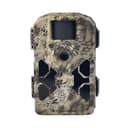
GardePro A50 Trail Camera

GardePro A50 Trail Camera

Best card camera

The best published numbers under $100: a 0.1-second trigger and 100 feet of no-glow night vision. Trigger speed is the spec that decides whether you get a buck or a photo of an empty trail.

0.1 s · 4K
9.1/ 10
$89.99View on Amazon

Price as of September 5, 2026. #ad How we’re funded

2
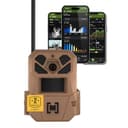
Moultrie Edge 3 Cellular

Moultrie Edge 3 Cellular

Cheapest cellular

A cellular camera for around $70 is genuinely new. Sending photos to your phone means you stop walking into your own hunting spot to check a card — which on pressured public ground is worth more than any camera spec.

0.5 s · cell
8.7/ 10
$55.73View on Amazon

$99.9944% off

Price as of September 5, 2026. #ad How we’re funded

3
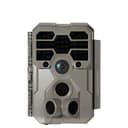
Stealth Cam G42NG 24MP No-Glow

Stealth Cam G42NG 24MP No-Glow

Best card camera from a legacy brand

The legacy-brand pick, and a genuinely black-flash one. Stealth Cam publishes the emitter count and the night range — 42 black IR emitters out to 100 feet — which is the kind of specificity the no-name cameras avoid. What you trade for the brand and the warranty behind it is trigger speed.

0.5 s · 24 MP
8.2/ 10
$69.99View on Amazon

Price as of September 5, 2026. #ad How we’re funded

The picks in full

#1Best card camera9.1/ 10 value

GardePro A50 Trail Camera

The best published numbers under $100: a 0.1-second trigger and 100 feet of no-glow night vision. Trigger speed is the spec that decides whether you get a buck or a photo of an empty trail.

Strengths

  • 0.1 s trigger is genuinely fast — deer land in frame, not behind it
  • No-glow infrared at 100 ft, so nothing spooks off a visible red flash
  • True 4K video for the same money most brands charge for 1080p

Trade-offs

  • No cellular or WiFi — you walk in to pull the card, which pressures the spot
  • GardePro is an online-only brand with no local warranty counter
VideoTrue 4K
Trigger speed0.1 s
Night vision100 ft no-glow

Specs read from the product listing, on August 11, 2026. “Not published” means the maker doesn’t state that figure. The score is our value rating, not a lab test — how we rank.

#2Cheapest cellular8.7/ 10 value

Moultrie Edge 3 Cellular

A cellular camera for around $70 is genuinely new. Sending photos to your phone means you stop walking into your own hunting spot to check a card — which on pressured public ground is worth more than any camera spec.

Strengths

  • Sends photos to your phone — you stop pressuring the spot to pull cards
  • 40 MP photos and a 0.5 s trigger at a non-cellular camera's price
  • Moultrie's app and plan infrastructure is mature, not a startup gamble

Trade-offs

  • Cellular cameras require a paid data plan on top of the camera price
  • Needs usable cell signal where you hang it — check coverage first
Photo resolution40 MP
Trigger speed0.5 s
ConnectivityCellular

Specs read from the product listing, on August 11, 2026. “Not published” means the maker doesn’t state that figure. The score is our value rating, not a lab test — how we rank.

#3Best card camera from a legacy brand8.2/ 10 value

Stealth Cam G42NG 24MP No-Glow

The legacy-brand pick, and a genuinely black-flash one. Stealth Cam publishes the emitter count and the night range — 42 black IR emitters out to 100 feet — which is the kind of specificity the no-name cameras avoid. What you trade for the brand and the warranty behind it is trigger speed.

Strengths

  • 42 'black' IR emitters — Stealth Cam's true no-glow line, not an 850 nm low-glow build
  • Published 100 ft infrared range, stated by the maker rather than implied
  • Stealth Cam has warranty and support infrastructure behind it

Trade-offs

  • 0.5 s reflex trigger ties for the slowest here — at that speed you will photograph the back half of a walking deer
  • 24 MP is the lowest resolution on this page, and the listing publishes no video spec at all
Photo resolution24 MP
Trigger speed0.5 s (reflex)
IR / night range100 ft, 42 black IR emitters

Specs read from the product listing, on August 24, 2026. “Not published” means the maker doesn’t state that figure. The score is our value rating, not a lab test — how we rank.

The real cost of a card camera is not money

A standard trail camera stores photos on an SD card. To see them, you walk to the camera.

That walk is the entire argument. Every card pull means entering the area you are hunting, leaving scent on the ground and on the camera, making noise, and doing it during daylight when deer are bedded nearby. On a small property or a pressured public tract, checking a camera every two weeks through the pre-season and season is a meaningful amount of pressure applied to precisely the spot you were trying to learn about.

Hunters routinely underestimate this. It is not that one visit ruins a spot; it is that a dozen visits across a season teach mature deer that a human comes through on a schedule. That is a cost, it just does not appear on the receipt.

The real cost of a cellular camera is money, monthly

A cellular camera sends images to your phone over a mobile network, which means you never walk in. It also means a paid data plan for as long as you run the camera.

Plan pricing varies by brand, image volume and whether you pay annually or monthly, and it recurs. Over three seasons, subscription costs on a single camera can approach or exceed what the camera cost. Budget for the plan as part of the purchase, not as an afterthought — and note that running four cellular cameras means four plans unless the brand offers a multi-camera rate.

There is a second requirement that is easy to overlook and fatal if missed: a cellular camera needs usable signal where you hang it. Not at the parking area, not at your house — at the tree. Plenty of the best public-land hunting ground is exactly the sort of remote country where coverage runs out. Check the carrier coverage map for the specific location before you buy, and understand which network the camera uses.

Where each one genuinely wins

Cellular wins

  • Pressured ground and small properties. Where every intrusion costs you, the ability to never enter is worth more than any spec.
  • Long drives to your hunting ground. If checking a card is a three-hour round trip, the plan pays for itself in fuel alone.
  • In-season decision making. A photo that arrives at 7 a.m. can change where you sit that evening. A card you pull in November tells you what happened in October.
  • Theft awareness. A camera that stops sending tells you something has happened, and some send a photo of whoever removed it.

Card cameras win

  • Specs per dollar. No radio, no plan, so the money goes into trigger speed, resolution and night-vision range.
  • Running several cameras. Four card cameras cost four cameras. Four cellular cameras usually cost four cameras plus four subscriptions.
  • No signal required. Works anywhere, which includes a great deal of the best country.
  • Battery life. Transmitting is the most power-hungry thing a camera does. A card camera on lithium cells can run substantially longer between visits.
  • Off-season scouting.When nobody is hunting and intrusion costs nothing, the card camera’s only real drawback disappears entirely.

The specs that matter either way

Whichever type you buy, these are the numbers that decide whether you get a photograph of a buck or a photograph of an empty trail.

  • Trigger speed. The most important spec in the category, and the one budget cameras most often fail at. A 0.1-second trigger catches a walking deer in frame; a 0.7-second trigger catches its back half leaving. Cellular cameras are typically a little slower than card cameras at the same price because the budget went elsewhere.
  • Flash type. No-glow infrared emits nothing visible and is the right choice for mature deer and for public land where a visible flash advertises your camera to other hunters. Low-glow gives slightly better night images with a faint red glow. White flash gives color at night and educates deer quickly.
  • Detection and night-vision range. Published in feet. Match it to the width of the trail or food plot you are covering rather than buying the biggest number.
  • Battery type. Lithium AA cells hold voltage in the cold far better than alkaline and are worth the premium in any camera you do not want to visit.

Full published figures for each pick are in our cheap trail camera rankings.

Check the rules before you hang either one

Trail camera regulation has changed rapidly and unevenly. Several states now restrict or prohibit trail cameras on public land during hunting season, and cellular cameras specifically are banned in some jurisdictions on fair-chase grounds — the argument being that a real-time photo is a form of remote scouting closer to surveillance than to woodsmanship.

Rules differ between state agencies and federal units, and they have been amended frequently in recent years. Check the current regulations for the specific ground you hunt before you buy, because this is one of the few gear purchases that can be made illegal by a rule change between seasons. The same goes for how long a camera may be left and whether it must be marked with your name — the same questions covered in our public-land treestand rules page frequently apply to cameras too.

The recommendation

Buy a card camera if you are buying your first camera, if you want more than one, if your ground has poor cell coverage, or if you are scouting in the off-season when walking in costs you nothing. You get better published specs for the money and no recurring bill, and for most budget hunters that is the right call.

Buy a cellular camera if you hunt a small property or heavily pressured public land where every entry matters, if your ground is a long drive away, or if you want to make in-season decisions from photos rather than after-the-fact confirmation. Verify coverage at the exact location first, and price three seasons of the data plan into the decision.

The setup a lot of experienced hunters end up with is one cellular camera on the single most important spot — the one they most want to stop walking into — and card cameras everywhere else. That gets the real benefit of cellular without paying four subscriptions for it.
Check your state’s regulations. Hunting laws vary by state and change year to year — legal calibers, minimum bow draw weights, blaze-orange rules, seasons and treestand requirements included. Confirm the rules with your state wildlife agency before you hunt. Blaze & Budget is written by an enthusiast, not a game warden, and nothing here is legal advice.

Frequently asked questions

Do cellular trail cameras require a monthly subscription?

Yes. A cellular camera sends images over a mobile network, and that requires a paid data plan for as long as you run it. Pricing varies by brand, by how many images you receive and by whether you pay annually or monthly, and it recurs every season. Over three seasons the plan can approach or exceed the price of the camera, so budget for it as part of the purchase. Running several cameras usually means several plans unless the brand offers a multi-camera rate.

Do cellular trail cameras work without cell service?

No, and this is the mistake that wastes the most money in the category. The camera needs usable signal at the tree where you hang it — not at the parking area and not at your house. A lot of the best remote public-land hunting is exactly where coverage runs out. Check the coverage map for the specific location, on the specific network the camera uses, before you buy, and have a card camera as the fallback plan for dead spots.

Are trail cameras legal on public land?

It depends on the state and the specific unit, and the rules have changed rapidly in recent years. Several states restrict or prohibit trail cameras on public land during hunting season, and some ban cellular cameras specifically on fair-chase grounds because a real-time photo functions as remote scouting. Many areas also require cameras to be marked with your name or removed by a set date. Check the current regulations for the ground you hunt before buying — this is one purchase a rule change can make illegal.

Which is better value, cellular or a card camera?

A card camera gives you more camera for the money, because none of the price went into a radio and there is no recurring plan. A cellular camera is better value only if you count the cost of walking into your hunting spot to pull cards — scent, noise and educated deer on pressured ground, plus fuel and time if the property is a long drive away. On a large tract you hunt casually, card. On a small pressured property or a distant lease, cellular.

What trigger speed do I need on a trail camera?

As fast as you can afford, and treat it as the most important spec in the category. A camera advertising a 0.1-second trigger catches a deer walking a trail in the center of the frame; one at 0.7 seconds catches the back half of the animal leaving. Trigger speed matters most on trails where deer are moving and matters least over bait or a feeder where they stop. Cellular cameras are often slightly slower at the same price, because the budget went into the radio.

How often should I check a card trail camera?

As rarely as you can stand, and ideally not at all once the season is underway. Every visit leaves scent and noise in the exact spot you are trying to learn about, and mature deer notice a schedule. Use lithium batteries and a large card so the camera can run for weeks, check in the middle of the day when deer are least likely to be moving, approach from downwind, and pull the card rather than standing there reviewing images at the tree.

Sources

Keep reading