The one spec that decides a merino layer
Merino is sold on three numbers and almost nobody publishes all three: the percentage of wool in the blend, the fabric weight in grams per square metre, and the micron count, which is fiber diameter and the thing that decides whether a shirt itches.
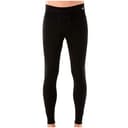
- MERIWOOL thermal pants — 100% merino, no blend. The strongest published claim on this page. Its own listing does not publish a fabric weight, which is the trade.
- Merino.tech set — 200 g/m². A stated fabric weight, and 200 is the do-everything number for October through December. It is also a complete layer: top, bottom and a neck gaiter in one box.
- Darn Tough, for comparison — 34% merino, stated. We cover that sock on our Darn Tough alternatives page. It is the only sock we track that publishes a percentage at all, which tells you how rare the disclosure is.
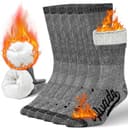
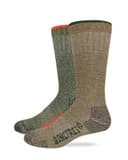
- Alvada, Realtree and Muck socks — merino stated, percentage not published. Expect a modest blend. Their spec rows read “Not published” and that is a finding, not a gap in our research.
Nobody on either side of this comparison publishes a micron count. Not the budget makers, and not First Lite.
What you genuinely give up
Three things, and they are real.
- Camo on the layer itself. First Lite sells merino in hunting patterns. The MERIWOOL and Merino.tech sets are solid colors, because they are base layers worn underneath. That only matters if you intend to hunt in your base layer, which on a warm September day in the West is a real use case and in a November stand is not.
- Cut and durability at the wear points. Merino wears through faster than synthetic at elbows and heels, and a hunting-specific cut puts the seams where a pack belt is not. Neither budget set publishes anything about construction.
- A system. First Lite sells matched kits by weather and pursuit. Buying a MERIWOOL bottom and a Merino.tech top is assembling your own, and our layering guide is the substitute for that.
What you do not give up
Every property First Lite names on its merino page is a property of merino wool, not of First Lite’s merino wool. Odor resistance, warmth when damp, low UV shine and quiet fabric all come with the fiber. A 200 g/m² merino top from a budget maker does not stop resisting odor because it cost a quarter as much.
Odor resistance is the one that matters most to a public-land hunter, and it is also the one the premium price cannot buy more of. The National Deer Association’s published guidance on wind and scent is the useful counterweight here: no fabric at any price beats hunting the right wind. Merino buys you a few more days between washes. It does not buy you a free pass with a deer’s nose.
Where to spend the difference
Do the arithmetic once. First Lite’s own published prices for a Wick top run $85.00 to $130.00. The four picks here together cost less than one of them. That difference buys, in rough order of how much it improves a season:
- A wind-blocking outer layer, which does more for a cold sit than any base layer does — our budget hunting jacket roundup ranks four.
- Enough socks to rotate, which is the single most underrated cold weather purchase. Three pairs beat one great pair when one of them is always drying.
- The rest of the layering system, which our budget base layer roundup covers including the synthetic sets that cost a third of merino and are the better choice for an active hunt.
And the honest statement of who should still buy First Lite: the hunter who wears a base layer as an outer layer in warm Western country, the hunter who needs a matched system and does not want to assemble one, and anyone who has found a cut that fits. That is a real set of buyers. It is just not the budget hunter this site is written for. If you want the same analysis of the other two premium apparel brands, read Sitka alternatives and KUIU alternatives.