Wind is the spec, not warmth
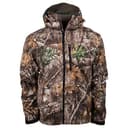
Fleece is warm in a room and cold on a ridge, because moving air strips the trapped warmth straight out of it. That is the whole argument for the King’s Camo Hunter: its Wind-Defender membrane is the only published wind-blocking layer on this page, and it is why a mid-weight fleece with a membrane beats a thicker fleece without one on an exposed sit.
The practical consequence is a layering decision rather than a jacket decision. A wind-blocking mid-layer over a good base layer handles a surprising amount of cold, and it packs down far smaller than an insulated coat. Our layering guide sets out the order, and the budget base layer roundup covers the layer underneath that does more work than the jacket does.
Waterproof is a separate purchase
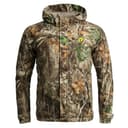
Only one jacket here is built to keep rain out: the ScentBlocker Drencher, from a company that only makes hunting clothes, with taped seams, a three-piece hood cut to turn with your head, and pockets sized for a rangefinder or a release. Its own listing publishes no waterproof rating and no garment weight, which is worth knowing before you compare it to anything.
It is also jacket-only — the matching Drencher pants are a separate purchase. For a lot of budget hunters that is the right answer, because the top half is what gets wet first. If you want the whole system, our budget rain gear roundup ranks complete suits that cost less than this jacket does.
Quiet matters more for a bowhunter than for anyone else
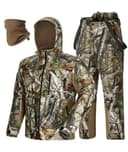
Fabric noise is the spec that separates a hunting jacket from a winter coat, and it is almost never published as a number. What is published is the construction: the TIDEWE suit uses a silent brushed, fleece-lined fabric specifically so it will not scrape on a stand rail, and the King’s has a quiet fleece face. The Drencher is described as polyester and is never described as quiet, which is the honest read on a plain rain shell.
If you shoot a bow from close cover, weight that heavily. A deer at fifteen yards hears a sleeve drag across a shell long before it sees you. If you are a rifle hunter sitting a field edge at a hundred and fifty yards, it barely registers.
The suit that is not really a jacket
The TIDEWE Silent Hunting Suit is on this page because it is the best answer to “I need a jacket for sitting in the cold” — but it is a jacket and bibs together, for about what other brands charge for the jacket alone. For a new stand hunter kitting out for firearm season, it is the fastest way to be warm.
Its listing is honest about the trade: it is bulky and too warm for early season or any hunt where you walk, and the sizing runs large, so size down if you are between sizes. If your October hunting is active, buy the King’s and read our early-season clothing roundup instead.
What a hundred dollars does not buy
Three things, stated plainly. A published waterproof rating — none of these jackets publishes one, so the only honest comparison is construction. A membrane that is both waterproof and breathable — that is the technology premium brands sell and it is the real price gap. And a warranty worth reading; none of these listings publishes a term.
None of that is a reason to spend four hundred dollars on a jacket before you know whether you hunt enough to need one. It is a reason to buy the layer that fixes your actual problem, then add the rain shell when the forecast makes you. If you are pricing the whole kit rather than one garment, our budget hunting clothes roundup covers the full outfit, and Sitka alternatives on a budget is the page that explains exactly what the premium money buys.