The two kinds of blaze rule, and why it matters what you buy
Before you compare vests, work out which kind of state you hunt in. There are two templates and they are not interchangeable.
- Square-inch states.Pennsylvania’s rule is the clearest example: a minimum of 250 square inches of daylight fluorescent orange on the head, chest and back combined, visible from all directions. The regulation explicitly allows camouflage orange if it meets that minimum. It also applies on the walk in and out — from one hour before legal hunting hours until one hour after — which is the part hunters get caught by, not the sit itself.
- Percentage states.Wisconsin requires that at least 50 percent of your outer clothing above the waist is blaze orange or fluorescent pink, and that a hat, if worn, is at least 50 percent blaze. Minnesota’s wording is similar in structure, written about the visible portion of a cap and of outer clothing above the waist, with sleeves and gloves excluded.
The practical difference is where the orange has to be. A square-inch rule is satisfied by the sum of your pieces, so a cap doing 50-odd square inches genuinely reduces what the vest has to cover. A percentage rule is about the garment that is outermost, which is why pulling a rain shell over a blaze vest can put you out of compliance in a state where the vest was fine ten seconds earlier. We flagged the same trap on the budget rain gear roundup, and it is the single most common way a legal hunter becomes an illegal one without changing anything they are carrying.
The number nobody publishes
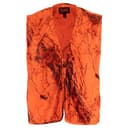
Here is the honest state of the budget category: of the four picks on this page, one publishes a blaze coverage figure. The Gamehide vest states over 500 square inches of blaze and over 50 percent solid blaze orange — which means it answers both styles of rule in writing, on the listing, before you buy it. Allen, Browning and Vortex publish no square-inch figure at all.
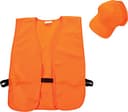
That does not make the other three illegal. A full adult vest front and back is comfortably more area than 250 square inches on its own, and these are sold as hunting safety vests by companies that have sold them for decades. What it means is that if you hunt a square-inch state and you want certainty rather than confidence, you have two options: buy the one vest that publishes the number, or buy a vest and a cap so that the question never gets close. The second option is cheaper, which is why the Allen bundle is our top pick rather than the vest with the best spec sheet.
It is also worth knowing that condition counts. Wisconsin’s DNR says plainly that faded or stained blaze may not meet the legal requirement, and recommends 100 percent solid blaze rather than the minimum. A ten-year-old vest that has gone salmon-colored in the back window of a truck is a real failure mode, and it is the reason every pick here that states its care instructions gets credit for being machine washable.
Blaze camo: legal in some states, a bad bet in others
Blaze camo — an orange-dominant camouflage pattern rather than solid orange — exists specifically to thread the needle between the law and a bowhunter’s instincts. Wisconsin allows it: camo-blaze is legal if 50 percent or more of the material is blaze orange or fluorescent pink. Pennsylvania allows camouflage orange if it meets the 250-square-inch minimum. Minnesota’s rule counts blaze camo only if at least half of each square foot is blaze.
Read those three again and notice they are three different tests. That is why blaze camo is the one purchase on this page we would not make without reading your own state’s exact wording first. If you hunt one state, and that state counts percentages, the Gamehide is an excellent buy and the only one here that proves its own compliance. If you hunt two or three states, or you are not certain, buy solid orange and stop thinking about it.
What blaze orange actually costs you in concealment
Less than it feels like. Deer are dichromatic: the National Deer Association’s summary of the research describes a deer as seeing blue wavelengths well and reds and oranges poorly, which is exactly why a blaze vest is a smaller concealment penalty than a hunter’s eyes insist it must be. What gives you away is movement and silhouette. Our guide to what colors deer can see walks through the cone biology, and the same logic runs through hunting camo versus military surplus: pattern is the cheapest thing on your body to compromise on.
The real cost of a blaze vest is not color, it is noise and bulk. A stiff, shiny, waterproofed shell vest worn over everything else is a genuine liability on a quiet morning, and it is why the Gamehide listing makes a point of notwaterproofing its vest — the stated reason is that a waterproof outer gets loud as temperatures drop. That is a real engineering trade, honestly described, and it is the most useful sentence on any listing in this category.
Where a vest fits in the rest of the layering system
A blaze vest is an outer layer that does no insulating, which has two consequences. First, buy it one size larger than your shirt size — it has to close over a jacket or the top of insulated bibs, which is why every pick here either adjusts with straps or is cut oversized on purpose. Second, it changes nothing about your warmth, so plan the layers underneath it the same way you would without it. Our layering guide covers the sequence, and the budget hunting pants page covers the bottom half, which no blaze rule we have read concerns itself with at all.
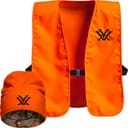
One more pairing worth making: if you hunt a firearms season in genuine cold, the compliant hat is the piece to spend the extra few dollars on. A thin blaze ball cap satisfies the law and nothing else. The Vortex combo ships a full fleece beanie in blaze, which means the legal layer and the warm layer are the same object instead of two things you have to make compliant separately. If your hands are the problem rather than your head, the budget hand warmer picks are the cheaper fix, and one of them reverses to blaze fleece too.
Blinds and ground setups have their own rule
This catches ground hunters specifically. In Pennsylvania, a hunter using a qualifying blind during firearms deer, elk or bear seasons must place at least 100 square inches of fluorescent orange within 15 feet of the blind so that it is visible in a 360-degree arc — in addition to what is worn inside. Several states carry a version of this. If your plan is a pop-up on a field edge, budget for a second piece of orange that lives in the blind bag and goes up with the blind.
Our budget ground blind roundup covers the blinds themselves. A cheap orange cap or a spare vest hung on a shooting stick satisfies most versions of the rule, which is another argument for the two-piece bundle: the hat can go on the blind and the vest stays on you.
What we would actually buy
- The Allen vest-and-hat bundle if you want the cheapest route to not thinking about this. Two pieces, no zipper noise, fits over bibs, under fifteen dollars most weeks.
- The Gamehide blaze camo vest if you bowhunt a percentage state in a firearms-overlap season and you want the quietest compliant option with its coverage published.
- The Vortex vest-and-beanie combo if you hunt November and December firearms seasons and your blaze hat may as well be doing a second job.
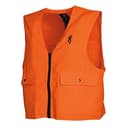
- The Browning safety vest if the vest is going to live on you all season and you want pockets and a license loop rather than a thin panel.
None of these is a big-ticket decision, and that is the point. The whole category costs less than a box of premium ammunition, and skipping it is the cheapest possible way to ruin a season. If you are building a first kit from scratch, it belongs on the list next to boots and a knife rather than at the end of it — the public-land gear list puts it in order, and what it costs to start hunting prices the whole thing out.