The two numbers, and why only one of them is on most labels
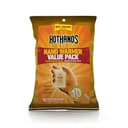
A warmer is a small controlled rust reaction in a pouch. The HotHands listing is unusually open about it and lists the contents outright: iron, water, vermiculite, charcoal, polymer and salt. Iron oxidizes, oxidation gives off heat, and the pouch meters how fast by how much air it lets in. Everything that matters follows from that.
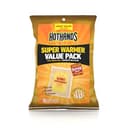
- Duration is how long the reaction runs before the iron is spent. The hand warmers publish up to 10 hours; the body-sized Super Warmers publish up to 18. That is a real difference in the product, not marketing: a bigger pouch holds more iron.
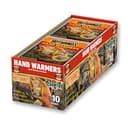
- Average temperatureis how hot the pouch sits while it runs. The 10-pair hand pack publishes 135°F; the Super Warmers publish 140°F. The 40-pair camo box publishes no average temperature at all, which is the single most useful honest finding in this roundup — same claimed 10-hour duration, one fewer disclosed figure.
- Air is the throttle. Both HotHands listings say the warmer activates on exposure to air and the 40-pair box adds the recovery instruction: if the heat drops, expose it to air and shake it. A warmer smothered inside a sealed glove or a zipped waterproof pocket is not broken, it is starved.
That last point is the mistake that costs most hunters a morning. Stuffing a fresh warmer into a tight waterproof mitten and finding it lukewarm an hour later is not a defective warmer — it is a warmer with nowhere to breathe. Give it a pocket with some air in it.
Warm your core if you want warm fingers
The Super Warmers pick is on this page for a reason that has nothing to do with hands. When your core cools, your body narrows the blood vessels in your extremities to protect it, and no amount of heat in your palms argues with that. NIOSH frames cold stress exactly this way: heat leaves the body rapidly when temperatures drop below normal, and the protective response is layers plus extremity cover rather than one hot spot.
An 18-hour, 140°F body pad against your chest or lower back, under the jacket, is the cheapest way to keep the circulation that keeps your fingers working. It costs the same as the 10-pair hand pack. If you sit still in genuine cold, buy both and put the big one on your back. Our cold-weather kit page runs the same argument across the whole body, in the order cold actually ends a sit, and keeping your feet warm covers the other end, which is usually the one that fails first.
The muff is the upgrade, not the warmer
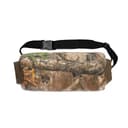
If you already buy disposables and still have cold hands, the next purchase is not a better warmer. It is a muff. A hand muff holds a pocket of still air around bare hands and keeps the warmer’s heat in that pocket instead of letting it bleed through a glove into the wind. The HOT SHOT Razorback publishes its insulation — 80 grams of 3M Thinsulate plus double polyfill — which is more than most budget handwear states, and it reverses between Realtree Edge and blaze orange fleece.
The bigger advantage is that your hands come out of a muff bare. Shooting a bow with a gloved release hand, or finding a safety with a thick mitten, is a compromise every cold-weather hunter makes and nobody enjoys. A muff lets you skip it. Two honest caveats: nothing comes in the muff, so budget a pack of disposables alongside it, and the reversible blaze side is not a substitute for a compliant vest — our budget blaze orange page covers what your state actually counts.
For the glove-versus-mitten question underneath all of this, the budget hunting gloves roundup has the flip-back mitten picks that pair with a warmer well.
Rechargeable versus disposable: the honest math
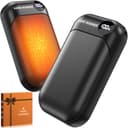
The rechargeable pick publishes more exact figures than anything else on this page: four temperature levels at 104, 113, 122 and 131°F, a 6,000 mAh battery, 0.17 lb per unit, a three-second warm-up, charge times and a one-year warranty term. It is the only pick that lets you turn the heat down, which is genuinely useful — a disposable has one setting and you cannot negotiate with it.
Three things to weigh against that. First, the stated “up to 9 hours” runtime does not say which of the four levels it was measured at, so assume meaningfully less at 131°F. Second, lithium cells lose usable capacity in cold, which is precisely when you are relying on them. Third, it is hard-bodied, so it will not lie flat inside a glove the way a pad will.
Where it wins is cost over time. Roughly speaking, a rechargeable pair costs about what two value packs of disposables cost, so somewhere around a season and a half of regular sits it pulls ahead and keeps going. If you hunt twenty cold days a year, buy the rechargeable. If you hunt five, buy the box of disposables and spend the difference on something that gets used.
How many to buy, and when
Buy them in October. This is the one hunting purchase where the season-long buy is unambiguously cheaper and the only reason not to make it is not knowing whether you will use them. So the sequence we would follow is:
- One 10-pair value pack to find out. Ten pairs is about a hard week of hunting.
- One 40-pair box once you know. Per pair it is far the cheapest heat here, and 80 warmers is a realistic season for one hunter or a shared season for two.
- A pack of body warmers if you sit still in real cold. Different product, different job, same price.
- A muff if you still have cold hands, because it makes every warmer above work harder.
One safety note worth repeating because both HotHands listings say it and it is easy to ignore inside a mitten: do not apply these directly to skin. A 135°F pad held against one spot for hours is a low-temperature burn risk, and the people most at risk are the ones who cannot feel it — which in the cold is everybody.
The whole category totals less than a tank of fuel for the drive to your spot, which is the argument the rest of the site keeps making about where budget money goes furthest. The hunting-on-a-budget pillar guide puts it in the order we would actually spend in, and where to buy cheap hunting gear covers getting the box for less than list.