Freeze resistance is the spec that matters
The rut and the cold arrive together, which is the whole problem. A reed wet with your own breath at fifteen degrees freezes to the sound board, and the call either goes silent or screams off-key at the worst possible moment.
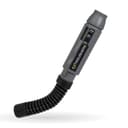
Exactly one of these three publishes an answer. The Extinguisher 2.0’s ModiSlide is stated to be freeze-resistant andto free a frozen reed without taking the call apart. The Trophy Grunter and the Intimidator publish nothing on freeze resistance at all, which renders as “Not published” in their spec tables below. That is a finding, not a gap in our research: if a maker had solved it, the listing would say so.
The field workaround for the other two is the same one old-timers use: keep the call inside your jacket against your body, not hanging outside on a lanyard, and blow it out after every sequence.
How many voices do you actually need?
The published counts vary wildly and they are the easiest thing to over-buy.
- Extinguisher 2.0 — over ten stated vocalizations. Fawn bleats, doe grunts, assembly and estrus bleats, tending and breeding grunts, clicks and roars. Most hunters use two or three of them, and its own con list says so.
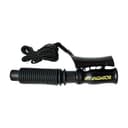
- Trophy Grunter — a 6-in-1 adjustable reed. Grunts through bleats from one call. No snort-wheeze, which is the one aggressive sound it cannot make.
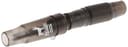
- Intimidator — grunt and snort-wheeze, fixed tone. Deliberately not adjustable, so the buck voice is identical every time you pick it up. No doe or fawn sounds at all.
That last one is the interesting design argument. An adjustable reed is a setting you can get wrong in the dark with a buck at forty yards. A fixed-tone call cannot be set wrong, which is worth something when adrenaline has wrecked your breath control.
The tube is not a decoration
All three publish something about the tube, and it does two real jobs: it changes tone, and it lets you aim the sound. The Trophy Grunter uses an expandable hose for variable tone, the Extinguisher a flexible rubber throat tube, the Intimidator an included Inflexor flexible tube.
Aiming matters more than tone. When a buck is close and coming, you throw the sound behind you or off to the side, so he looks past your position rather than straight at the tree you are sitting in. That one habit does more for close encounters than owning a better call.
When to call, and when to shut up
Over-calling is the default mistake and no product fixes it. The National Deer Association’s own rut guidance lines up with what most hunters learn the slow way: calling works best when a buck is already moving and cannot see the spot the sound came from.
- Pre-rut and rut. This is the window. A few soft contact grunts to turn a cruising buck, a tending grunt sequence when you see one trailing a doe.
- Snort-wheeze. A challenge, not an invitation. It answers a dominant buck and it can push a young one straight out of the county. Two of these three can make it; use it last, not first.
- Any time a deer is looking at you. Do not call. A deer that heard a grunt and cannot find the deer that made it leaves.
Pair the tube with rattling in the pre-rut and the pair outperforms either alone — our guide to rattling for deer covers the sequence and the timing, and it uses the rattle bag from the main deer call roundup.
What none of these publish
No warranty term on the Extinguisher, the Trophy Grunter or the Intimidator. No weight on the Intimidator. No freeze claim on two of three. And no decibel figure anywhere, which means loudness comparisons across these calls are not available and we do not make them.
For a product that costs less than a box of ammunition, that is a fair trade — but it is why this page ranks on the two specs that are published and useful rather than on a tone test nobody ran.