Blaze & Budget

Best Budget Deer Calls

A grunt tube, an estrus can, a rattle bag and two specialists. Ranked on the sounds and reed systems the makers publish - and on the one spec that decides a call in December, which only one of them states.

By Stephen V.Last updated How we rank

If you are buying one deer call, buy the Primos Trophy Grunter. One adjustable reed covers buck grunts through doe bleats, the expandable hose lets you change tone and aim the sound, and it costs about what a box of slugs does. If you are buying two, add the Great Big Can — it is the cheapest pick here and the hardest one to use badly.

Calling is the highest-leverage cheap thing in deer hunting, and also the easiest to overdo. The window matters more than the call: the National Deer Association puts the vast majority of breeding across many northern and Midwestern states in the second and third week of November, and advises hunting hard through a two-to-three week period around your area’s local peak, weighted toward the week before it. That is the stretch where a grunt tube earns its money. Outside it, the same call mostly announces you.

One spec decides this category once the temperature drops, and exactly one of the five picks below publishes it: freeze resistance. A reed that has frozen or wetted shut is a call that makes no sound at all, and only the Illusion Extinguisher states both a freeze-resistant design and a way to break a frozen reed loose mid hunt. Every other entry’s freeze row reads “Not published,” because it is. We do not own these and claim no field testing. Here is how we rank instead.

How this is funded: we earn a commission if you buy through our links, at no extra cost to you. It never changes which product we recommend, and we’ll tell you plainly when we’d skip one. Full disclosure.

The picks, and what each one does

Ranked on price-per-performance — the specs that matter divided by what it costs. Select a row to jump to the full write-up. We have not field-tested these — here is exactly what we do instead.

#ProductSounds / typeScorePrice
1
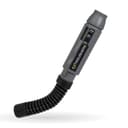
Primos Trophy Grunter 6-in-1 (707)

Primos Trophy Grunter 6-in-1 (707)

Best cheap grunt tube

The call to own if you are only going to own one. An adjustable reed assembly that covers grunts through bleats, an expandable hose that changes both tone and the direction you throw the sound, and a price low enough that losing it out of a treestand is annoying rather than expensive. Most hunters do not need more call than this; they need more restraint with it.

6-in-1 · expandable hose
9.3/ 10
$12.99View on Amazon

$14.9913% off

Price as of October 19, 2026. #ad How we’re funded

2
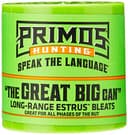
Primos The Great Big Can (738)

Primos The Great Big Can (738)

Best estrus bleat

The cheapest call here and the hardest one to use badly: you turn it over, it makes an estrus bleat. This is the loud, long-range version of the Can, built for wind and open fields, and it is the single best first call for someone who has never called a deer — because there is no reed to set, no tone to learn and nothing to blow flat.

Estrus bleat · flip can
9.1/ 10
$9.37View on Amazon

$14.9937% off

Price as of October 19, 2026. #ad How we’re funded

3
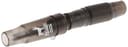
Illusion Systems Extinguisher 2.0 (741)

Illusion Systems Extinguisher 2.0 (741)

Best one call for everything

The only call on this page that publishes an answer to the problem that actually ruins calls: its ModiSlide is stated to be freeze-resistant AND to break a frozen or wet reed loose. On a 15-degree December morning that is worth more than any number of extra vocalizations — and it happens to make over ten of them, from fawn bleats to tending grunts to a snort-wheeze.

10-in-1 · freeze-resistant
9.0/ 10
$24.97View on Amazon

Price as of October 19, 2026. #ad How we’re funded

4
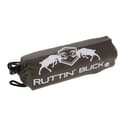
Hunters Specialties Ruttin' Buck Rattling Bag (HS-00181)

Hunters Specialties Ruttin' Buck Rattling Bag (HS-00181)

Best rattling bag

Rattling without carrying a rack. Select hardwood rods in a netted bag reproduce antlers clashing with one hand, and the silencer strap means it does not announce you on the climb — which is the exact reason real sheds are a bad idea in a saddle. For the price of a sandwich it adds the loudest tool in the rut toolbox.

Hardwood bag · one hand
8.9/ 10
$10.49View on Amazon

Price as of October 19, 2026. #ad How we’re funded

5
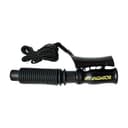
Woodhaven Intimidator Deer Grunt & Snort Wheeze (WH360)

Woodhaven Intimidator Deer Grunt & Snort Wheeze (WH360)

Best snort-wheeze

The specialist, and the reason to own it is the sound every other budget call skips: a snort-wheeze, available without changing a setting. It is deliberately fixed-tone — not O-ring adjustable — so the buck voice is the same every time you pick it up, and it works on very little air across a whisper-to-very-loud range.

Grunt + wheeze · fixed tone
8.6/ 10
$24.99View on Amazon

Price as of October 19, 2026. #ad How we’re funded

The picks in full

#1Best cheap grunt tube9.3/ 10 value

Primos Trophy Grunter 6-in-1 (707)

The call to own if you are only going to own one. An adjustable reed assembly that covers grunts through bleats, an expandable hose that changes both tone and the direction you throw the sound, and a price low enough that losing it out of a treestand is annoying rather than expensive. Most hunters do not need more call than this; they need more restraint with it.

Strengths

  • Adjustable reed assembly covers buck grunts AND doe bleats, so one call handles both halves of the rut
  • Expandable hose varies tone and lets you aim the sound away from a deer that is already close
  • Light enough (0.14 lb listed) to hang off a bino harness and forget
  • The lowest-risk way into calling: cheap enough that a beginner can practice without protecting an investment

Trade-offs

  • Primos publishes no freeze-resistant claim for this model, and a wet reed in single digits is the real failure mode
  • No snort-wheeze — the one aggressive sound this call cannot make
  • The adjustable reed is also a setting you can get wrong in the dark
  • No warranty term published
Sounds6-in-1 adjustable reed (grunts through bleats)
TubeExpandable hose for variable tone
OperationMouth-blown, one hand
Listed length11 in (listing)
Listed weight0.14 lb (listing)
Freeze resistanceNot published
Warranty termNot published

Specs read from the product listing, on October 18, 2026. “Not published” means the maker doesn’t state that figure. The score is our value rating, not a lab test — how we rank.

#2Best estrus bleat9.1/ 10 value

Primos The Great Big Can (738)

The cheapest call here and the hardest one to use badly: you turn it over, it makes an estrus bleat. This is the loud, long-range version of the Can, built for wind and open fields, and it is the single best first call for someone who has never called a deer — because there is no reed to set, no tone to learn and nothing to blow flat.

Strengths

  • One motion, no technique: flip it over and it bleats, which is why it works in the cold with gloves on
  • The larger, louder body is the one that carries in wind and across open fields
  • Covers pre-rut, rut and post-rut per the listing, which is most of a season
  • Publishes a limited manufacturer warranty — rare at this price

Trade-offs

  • It makes exactly ONE sound, so it is an addition to a grunt tube rather than a replacement
  • The flip action is so easy that over-calling is the default mistake with it
  • No published freeze-proof claim on this listing
  • Too loud for tight timber — Primos sells the Lil Can for that, and this is not it
SoundLong-range estrus bleat
ActionFlip-over can, one motion
Size classLarger body for louder, longer-range bleats
Stated windowPre-rut, rut and post-rut (listing)
Listed weight0.26 lb (listing)
Freeze resistanceNot published
Warranty termLimited manufacturer (listing)

Specs read from the product listing, on October 18, 2026. “Not published” means the maker doesn’t state that figure. The score is our value rating, not a lab test — how we rank.

#3Best one call for everything9.0/ 10 value

Illusion Systems Extinguisher 2.0 (741)

The only call on this page that publishes an answer to the problem that actually ruins calls: its ModiSlide is stated to be freeze-resistant AND to break a frozen or wet reed loose. On a 15-degree December morning that is worth more than any number of extra vocalizations — and it happens to make over ten of them, from fawn bleats to tending grunts to a snort-wheeze.

Strengths

  • Only pick here with a published freeze-resistant design, and the slide doubles as a way to free a frozen reed mid-hunt
  • Over ten stated vocalizations — fawn bleats, doe grunts, assembly and estrus bleats, tending and breeding grunts, clicks, roars
  • Flexible rubber throat tube aims the sound, which matters when a buck is close and you need to throw it behind you
  • Hand-tuned and tested per unit, and assembled in the USA per the listing

Trade-offs

  • Roughly two and a half times the Trophy Grunter, and most hunters use two or three of its ten sounds
  • A multi-position slide is one more thing to set wrong with a buck at 40 yards
  • The listing's 99.6% NAHC approval figure is a marketing claim we have no way to verify and did not rely on
  • No warranty term published
SoundsOver 10 buck, doe and fawn vocalizations (listing)
Reed systemPatented ModiSlide adjustable
Freeze resistanceFreeze-resistant slide, stated to free a frozen reed (listing)
TubeFlexible rubber throat tube
AssemblyAssembled, tuned and packaged in the USA (listing)
Listed weight0.3 lb (listing)
Warranty termNot published

Specs read from the product listing, on October 18, 2026. “Not published” means the maker doesn’t state that figure. The score is our value rating, not a lab test — how we rank.

#4Best rattling bag8.9/ 10 value

Hunters Specialties Ruttin' Buck Rattling Bag (HS-00181)

Rattling without carrying a rack. Select hardwood rods in a netted bag reproduce antlers clashing with one hand, and the silencer strap means it does not announce you on the climb — which is the exact reason real sheds are a bad idea in a saddle. For the price of a sandwich it adds the loudest tool in the rut toolbox.

Strengths

  • One-handed, so your other hand stays on the bow or the gun
  • Select hardwood rods rather than plastic, which is what gets the tone right
  • Adjustable lanyard AND a silencer strap, so it travels quietly — the thing real antlers cannot do
  • Publishes a 1-year limited warranty, the longest stated term on this page
  • Packs flat against a harness instead of strapped to the outside of a pack

Trade-offs

  • A bag cannot do a soft, slow tickle as convincingly as real antlers can
  • Rattling outside the pre-rut and rut window mostly recruits does and young bucks away
  • Wet hardwood dulls the tone, and there is no weatherproofing claim on the listing
  • No published dimensions beyond the shipped box, so you are guessing at pack size
TypeRattling bag
RodsSelect hardwood rods (listing)
OperationOne-handed
GripRubberized netting section
CarryAdjustable lanyard with silencer strap
Listed weight0.5 lb (listing)
Warranty term1 year limited (listing)

Specs read from the product listing, on October 18, 2026. “Not published” means the maker doesn’t state that figure. The score is our value rating, not a lab test — how we rank.

#5Best snort-wheeze8.6/ 10 value

Woodhaven Intimidator Deer Grunt & Snort Wheeze (WH360)

The specialist, and the reason to own it is the sound every other budget call skips: a snort-wheeze, available without changing a setting. It is deliberately fixed-tone — not O-ring adjustable — so the buck voice is the same every time you pick it up, and it works on very little air across a whisper-to-very-loud range.

Strengths

  • Grunt and snort-wheeze in one body, with no internal setting to change between them
  • Fixed-tone by design: a hand-tuned buck voice that is repeatable, which matters when adrenaline wrecks your breath control
  • Works on very little air, from whisper-soft contact grunts to extremely loud calling
  • Includes the Inflexor flexible tube to shape and aim the presentation

Trade-offs

  • Not adjustable, so it is a buck voice only — no doe estrus bleat and no fawn sounds
  • A snort-wheeze is a narrow tool: it answers a dominant buck and can push a young one off
  • Longest call here at 13.25 in listed, so it hangs awkwardly on a harness
  • No published weight and no warranty term
SoundsBuck grunt and snort wheeze
TuningFixed tone — not O-ring adjustable (listing)
AirflowVery little air across a wide volume range (listing)
TubeInflexor flexible tube included
Listed length13.25 in (listing)
Listed weightNot published
Warranty termNot published

Specs read from the product listing, on October 18, 2026. “Not published” means the maker doesn’t state that figure. The score is our value rating, not a lab test — how we rank.

Four sounds, and what each one is for

Budget calls get sold as a long list of vocalizations, and the list is mostly noise. In practice a hunter uses four sounds, and each one answers a different question a deer is asking.

  • The contact grunt.Short, low, unexcited — a deer saying it is there. This is the call that works most days of the season and the one most hunters blow far too loudly. A grunt tube does it.
  • The estrus bleat.A doe signaling receptivity, and the single most effective sound during the rut window. A flip-over can does it with no technique at all, which is exactly why it belongs in a beginner’s pocket.
  • Rattling.Two bucks fighting. Loud, aggressive, and genuinely effective in the pre-rut and rut — and an excellent way to push does and young bucks off your spot outside that window. A bag does it with one hand.
  • The snort-wheeze. The most aggressive thing a buck says, and the narrowest tool here. It answers a dominant buck. It can also end a sit with a young one. One specialist call does it without changing a setting.

That is the whole toolkit, and it costs less than fifty dollars complete at the prices in the ledger above. What you are choosing between is one adjustable call that attempts all of it versus two or three single-purpose calls that each do one thing without a setting to get wrong.

Timing beats hardware

The NDA’s guidance is the most useful thing on this page and it is not about calls at all. Peak breeding happens at approximately the same time every year in a given area; across many northern and Midwestern states the bulk of it falls in the second and third week of November, and the South varies enormously. A doe is only in estrus for 24 to 48 hours, so the hunter who is out only on weekends can miss the activity entirely. The NDA also notes that some does come into estrus a week or two early, producing what it calls a flurry of early chasing.

For a caller, that means something specific: the week before your local peak is when bucks are most mobile, least cautious and most likely to answer. Carry everything then. Two weeks after the peak, calling drops back to the occasional contact grunt and the rattle bag goes in the pack. The NDA explicitly recommends checking your own state agency for local peak dates — and makes no claims at all about calling, rattling or decoying, which is why we are not putting a success rate on any of this.

Our deer hunting on a budget guide covers the rest of the season plan, and the public-land gear list puts a call roughly where we would buy it: after boots, optics and a knife, before almost anything else.

The cold problem nobody publishes a fix for

Here is the finding that decided our rankings. A reed call fails in cold for a simple reason: moisture from your breath condenses on the reed, freezes, and the reed stops vibrating. You get air and no sound, usually at the exact moment you need it.

Of the five picks, only the Illusion Extinguisher 2.0 publishes anything about this. Its listing states a freeze-resistant slide design and — more usefully — that moving the slide breaks a frozen or wet reed loose. That is a real in-field remedy rather than a claim. The Trophy Grunter, the Great Big Can and the Intimidator publish no freeze-resistant claim at all, and the rattle bag has no reed to freeze but also no weatherproofing claim on its hardwood rods.

Two practical consequences. First, if most of your hunting is late season in genuine cold, the Extinguisher is worth its premium over the Trophy Grunter — not for the extra vocalizations, which most hunters never use, but for the one sentence about the frozen reed. Second, whatever you carry, carry it inside your jacket rather than on the outside of a pack. A call at body temperature does not freeze.

The rattle bag versus real antlers

Rattling with real sheds works and has one disqualifying problem on public land: you have to carry two antlers up a tree, and they announce you the whole way. The Hunters Specialties bag solves it with select hardwood rods in netting, one-handed operation, and a silencer strap that keeps it quiet on the climb. It also publishes a one-year limited warranty, the longest stated term on this page.

The honest trade is tone control. A bag is excellent at the loud crash and merely adequate at the soft, slow tickle that real antlers do best, and wet hardwood dulls the sound further. For a mobile hunter — and especially a saddle hunter, where everything on your belt touches everything else — that trade is worth making every time. Our saddle hunting for beginners guide covers what else belongs on a crowded harness, and the budget saddle kit roundup covers the platform it hangs off.

One adjustable call or three simple ones?

This is the real decision, and it is about what you want to be doing when a buck is at forty yards.

The case for one call.The Extinguisher’s ModiSlide covers over ten stated vocalizations — fawn bleats, doe grunts, assembly and estrus bleats, tending and breeding grunts, clicks and roars — from one body, hand-tuned per unit, with the flexible throat tube to aim the sound away from a deer that is already close. One thing on the lanyard, nothing to fumble.

The case for several.A slide you can move is a setting you can get wrong in the dark, and in the moment that matters you do not want to be choosing a configuration. The Trophy Grunter plus the Great Big Can plus the rattle bag covers three of the four sounds for less than the Extinguisher alone, and each one does its job in one motion with gloves on. The Intimidator exists for the fourth, and it is deliberately fixed-tone for precisely this reason — its listing says it is not O-ring adjustable so that the buck voice is repeatable when your breath control is not.

Our read: buy the Trophy Grunter and the Can first. Add the rattle bag before your first pre-rut week. Add the Extinguisher if the cold is your problem, or the Intimidator if you hunt mature bucks and want the wheeze available without a setting change. The one combination we would not buy is two adjustable multi-calls — you will carry both and use one.

Check your regulations before you call

Calls are regulated unevenly. Electronic and recorded calls are restricted or prohibited for some species in some states while being legal for others in the same state, and the rules change between seasons. Everything on this page is a mouth-blown or hand-operated call rather than an electronic one, which is the safer side of that line almost everywhere — but “almost” is doing work in that sentence and your state agency is the authority, not us.

Our public-land rules guide covers the same checking habit for stands and sticks, which are regulated far more aggressively than calls are.

What we would actually buy

  1. Primos Trophy Grunter. The call. Grunts and bleats, expandable hose, cheap enough to lose.
  2. Primos The Great Big Can. The estrus bleat, loud version, one motion, no technique.
  3. Hunters Specialties Ruttin’ Buck bag. Rattling without a rack, with a silencer strap so it travels quietly.
  4. Then one specialist. The Extinguisher if you hunt cold, the Intimidator if you want a snort-wheeze that is always ready.

Total for the first three is less than the cheapest trail camera on the site, and it is the only gear category where the skill matters more than the money. Practice in the truck in October, not in the tree in November. If you are still putting a first kit together, the hunting on a budget pillar guide sets the whole order, and what it costs to start hunting prices it out honestly.
Check your state’s regulations. Hunting laws vary by state and change year to year — legal calibers, minimum bow draw weights, blaze-orange rules, seasons and treestand requirements included. Confirm the rules with your state wildlife agency before you hunt. Blaze & Budget is written by an enthusiast, not a game warden, and nothing here is legal advice.

Frequently asked questions

What is the best deer call for a beginner?

A flip-over estrus can, because there is no technique to get wrong - you turn it over and it bleats. The louder, longer-range version is the one we would buy, since it also works in wind and across open fields. Add an adjustable grunt tube second, and practice it somewhere other than your stand. The most common beginner mistake is not the wrong call, it is calling too loudly and too often.

When should you start grunting for deer?

The productive window centers on your local peak breeding dates. The National Deer Association places the bulk of breeding in many northern and Midwestern states in the second and third week of November, and recommends hunting hard across a two-to-three week period around the local peak with extra weight on the week leading up to it. Southern timing varies enormously, so check your own state wildlife agency for local dates rather than a national calendar.

Do deer calls actually work?

They work inside a window and against the right deer, and the honest answer is that nobody we are willing to cite publishes a success rate. The National Deer Association's rut guidance - which is the authority we lean on for timing here - makes no claims at all about calling, rattling or decoying. What we can say from the listings is what each call produces and when the makers say it is meant to be used, and that the window matters more than which call you own.

Will rattling scare deer away?

It can, and that is the main reason to keep it in the pack outside the pre-rut and rut. Rattling imitates two bucks fighting, which is a conversation does and young bucks have every reason to avoid. Inside the window it is the loudest tool you have. Outside it, a soft contact grunt is almost always the better choice.

Why did my deer call stop making sound in the cold?

The reed has frozen or wetted shut. Moisture from your breath condenses on it, freezes, and the reed stops vibrating - you get air and no sound. Of the picks here, only the Illusion Extinguisher 2.0 publishes a freeze-resistant design, and its listing states that moving the slide also breaks a frozen or wet reed loose. Whatever you carry, keep it inside your jacket rather than clipped to the outside of a pack.

Is a grunt tube or a can better during the rut?

Both, for different moments. The can's estrus bleat is the sound that pulls a cruising buck in during the rut window, and it needs no technique. The grunt tube is what you use to stop a buck that is already moving past you, and to make the quieter contact calls that work on ordinary days outside the rut. They cost about the same and together they are under twenty-five dollars at the prices in the table above.

Are electronic deer calls legal?

It varies by state and by species, and it changes between seasons, so your state wildlife agency is the only reliable answer. Every call on this page is mouth-blown or hand-operated rather than electronic, which keeps you on the safer side of that line in most places. Check the current regulations before you buy any recorded or amplified call.

Sources

  • Early Rut — National Deer Association — The deer-management nonprofit's guidance on rut timing, which is what decides when a call is worth carrying: "the peak of breeding occurs at approximately the same time every year" in a given area, "the vast majority of breeding takes place the second and third week of November" across many northern and Midwestern states, and hunters should aim "to be in the woods as much as possible during a two to three week period surrounding those peak breeding dates", weighted toward the week before. The article notes a doe "is only in estrus for 24 to 48 hours", that bucks make excursions of several miles at this time, and that some does coming into estrus early produce "a flurry of early chasing or rut activity". It advises checking your state wildlife agency for local peak dates and makes no claims at all about calling, rattling or decoying (accessed October 18, 2026)
  • The Hunter's Guide to Deer Vision — National Deer Association — Deer have two cone photopigments rather than three and no red cone; they see blues and greens well, lack a UV filter, and cannot distinguish orange from red (accessed August 12, 2026)

Keep reading