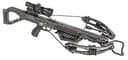
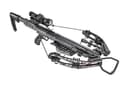
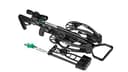
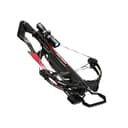
How to choose a cheap hunting crossbow
Crossbow marketing is a speed race, but for hunting deer the fastest bow is rarely the one you should buy. Here is what actually matters when you are spending as little as possible.
Speed: how much is enough
Every crossbow here shoots between roughly 350 and 415 feet per second, and any of them is plenty for whitetail inside normal bow range. Extra speed flattens trajectory a little and adds noise and wear; it does not make up for a bad shot. Once a crossbow clears about 350 fps, put your attention on accuracy and the package, not on chasing the top number. The two Killer Instinct bows here are ten fps apart and make the point exactly — Lethal 405 vs Burner 415 covers what separates them instead, and how fast a crossbow needs to be for deer runs the kinetic-energy arithmetic that makes the case.
What comes in the package
The value of a budget crossbow is in the box. A complete kit includes a scope, quiver, arrows, and a cocking aid; the best-value kits add broadheads or a case. Read the listing carefully, because two crossbows at the same price can differ by a whole accessory set. The stock scope is usually adequate for close-range hunting and the first thing you might upgrade if you shoot farther.
Cocking aids and cocking effort
A crossbow’s draw weight is far higher than a compound’s, so a cocking aid matters. A rope cocker roughly halves the effort and comes with most of these packages; a crank cocking device makes it nearly effortless but is often sold separately. If strength or a shoulder issue is a concern, factor in a crank before you buy.
Noise, tuning, and legality
Budget crossbows are loud, and string dampeners are a cheap, worthwhile first add-on. Wax the string, tighten every bolt, and check zero before the season. Most important: crossbow legality varies widely — some states allow crossbows in general archery season, others restrict them to firearm season or to hunters with a permit — so confirm the rules with your state wildlife agency first. If you are still weighing a crossbow against a vertical bow, read our compound bow vs crossbow comparison, and consider an angle-compensating rangefinder for treestand shots. For the two picks here that currently both show a live price, our Burner 415 vs Hellion 400 head-to-head settles which package is the better buy.