Blaze & Budget

Best Rubber Hunting Boots for the Money

Rubber is the scent-control boot, the wet-ground boot and the cheap boot all at once. Five picks compared on the specs that decide which one is right for your ground.

By Stephen V.Last updated How we rank

Rubber hunting boots exist for one reason that leather cannot match: rubber holds almost no human scent. A leather boot absorbs sweat, soap, gasoline and everything else your foot has been near, and it leaves a trail of that on the ground you walk in on. A rubber boot leaves far less. On pressured public land, where a mature deer will hit your entry trail hours after you have passed, that is the single biggest reason to own a pair.

The second reason is water. Rubber has no seams to leak and no membrane to fail. A knee-height rubber boot crosses a creek, works a flooded timber edge and stands in a muddy field entrance without thought, all of which will eventually defeat a leather boot with a waterproof liner.

What rubber gives up is walking. Rubber boots flex poorly, support an ankle badly, and are miserable over any real distance. That trade-off is the organizing idea of this page: every pick below is ranked on how it balances scent control and waterproofing against the fact that you have to get to the stand somehow. Prices are pulled live, so the value ranking follows what these actually cost today. We compile published specs rather than field-testing units — our method is here.

How this is funded:we earn a commission if you buy through our links, at no extra cost to you. It never changes which product we recommend, and we’ll tell you plainly when we’d skip one. Full disclosure.

Quick picks

Ranked on price-per-performance — the specs that matter divided by what it costs. Select a row to jump to the full write-up. We have not field-tested these — here is exactly what we do instead.

#ProductType / insulationScorePrice
1
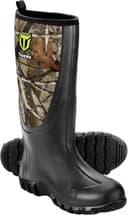
HISEA Neoprene Insulated Rubber Hunting Boot

HISEA Neoprene Insulated Rubber Hunting Boot

Best overall value

The best-balanced cheap rubber boot on this page: a neoprene bootie inside a rubber shell, which is the same construction premium brands charge triple for. It is warm enough for most of the season without being a swamp in October.

Rubber, neoprene-lined
8.8/ 10
$75.99View on Amazon

Price as of September 5, 2026. #ad How we’re funded

2
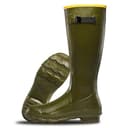
LaCrosse Grange 18" Rubber

LaCrosse Grange 18" Rubber

Best buy-once knee boot

The classic scent-free rubber boot whitetail hunters have trusted for decades. Naturally scent-free, waterproof to the knee, and cheap enough to be a no-brainer for anyone hunting from the ground or a stand.

18" rubber, scent-free
8.9/ 10
$99.95View on Amazon

Price as of September 5, 2026. #ad How we’re funded

3
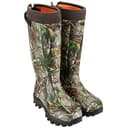
TIDEWE Steel Shank Rubber Boot

TIDEWE Steel Shank Rubber Boot

Best for walking in

The rubber boot for hunters who actually walk in. A steel shank is the single spec that separates a boot you can hike a mile in from a boot that folds under your arch on the second ridge.

Rubber, steel shank
8.6/ 10
$69.99View on Amazon

$74.997% off

Price as of September 5, 2026. #ad How we’re funded

4
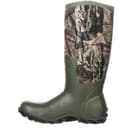
Rocky Core Rubber Waterproof

Rocky Core Rubber Waterproof

Cheapest that works

A comfortable, camo rubber boot that undercuts the LaCrosse on price. The neoprene-and-rubber build is warmer against the ankle and easy to pull on; the tradeoff is a slightly less durable upper.

Rubber, uninsulated
8.6/ 10
$97.50View on Amazon

Price as of September 5, 2026. #ad How we’re funded

5
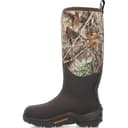
Muck Boot Woody Max

Muck Boot Woody Max

Best premium pick

The buy-once rubber boot. It is the most expensive pick on this page and the one most likely to still be on your feet in ten years — Muck is the brand the cheap boots are all imitating.

Rubber, neoprene-lined
8.5/ 10
$138.75View on Amazon

Price as of September 5, 2026. #ad How we’re funded

The picks in full

#1Best overall value8.8/ 10 value

HISEA Neoprene Insulated Rubber Hunting Boot

The best-balanced cheap rubber boot on this page: a neoprene bootie inside a rubber shell, which is the same construction premium brands charge triple for. It is warm enough for most of the season without being a swamp in October.

Strengths

  • Neoprene lining inside a rubber shell — the construction that actually works
  • Rubber upper holds almost no scent compared with leather
  • Priced where a second pair for the truck is a realistic idea

Trade-offs

  • The maker does not publish an insulation gram rating, so late-season warmth is a guess
  • Rubber boots walk poorly — this is a sit-and-wait boot, not a mile-hike boot
ConstructionRubber shell over neoprene lining
WaterproofYes
Insulation ratingNot published

Specs read from the product listing, on August 11, 2026. “Not published” means the maker doesn’t state that figure. The score is our value rating, not a lab test — how we rank.

#2Best buy-once knee boot8.9/ 10 value

LaCrosse Grange 18" Rubber

The classic scent-free rubber boot whitetail hunters have trusted for decades. Naturally scent-free, waterproof to the knee, and cheap enough to be a no-brainer for anyone hunting from the ground or a stand.

Strengths

  • All-natural ZXT rubber is naturally scent-free — a real edge for whitetail
  • 18-inch height crosses creeks and wet ground without a second thought
  • Time-proven design; the budget benchmark for rubber boots

Trade-offs

  • Uninsulated version is cold once temps drop near freezing
  • Rubber boots are not made for long miles of hiking
Height / material18 in, ZXT rubber
Scent-free rubberYes
InsulationNone (uninsulated model)

Specs read from the product listing, on July 22, 2026. “Not published” means the maker doesn’t state that figure. The score is our value rating, not a lab test — how we rank.

#3Best for walking in8.6/ 10 value

TIDEWE Steel Shank Rubber Boot

The rubber boot for hunters who actually walk in. A steel shank is the single spec that separates a boot you can hike a mile in from a boot that folds under your arch on the second ridge.

Strengths

  • Steel shank gives arch support that most cheap rubber boots simply lack
  • Camo pattern doubles as a turkey and waterfowl boot
  • Full rubber upper — no seams to leak, almost no scent

Trade-offs

  • No published insulation figure, so treat it as an early-to-mid-season boot
  • The shank adds weight you feel on a long walk out
ConstructionRubber with steel shank
WaterproofYes
Insulation ratingNot published

Specs read from the product listing, on August 11, 2026. “Not published” means the maker doesn’t state that figure. The score is our value rating, not a lab test — how we rank.

#4Cheapest that works8.6/ 10 value

Rocky Core Rubber Waterproof

A comfortable, camo rubber boot that undercuts the LaCrosse on price. The neoprene-and-rubber build is warmer against the ankle and easy to pull on; the tradeoff is a slightly less durable upper.

Strengths

  • Rubber-over-neoprene is waterproof and warmer than bare rubber
  • Comfortable pull-on fit with a cushioned footbed
  • Full camo dip for ground and blind hunting

Trade-offs

  • Upper is less rugged than the LaCrosse over years of use
  • Uninsulated core model runs cold in hard freezes
MaterialRubber over neoprene
WaterproofYes
InsulationNone (Core model)

Specs read from the product listing, on July 22, 2026. “Not published” means the maker doesn’t state that figure. The score is our value rating, not a lab test — how we rank.

#5Best premium pick8.5/ 10 value

Muck Boot Woody Max

The buy-once rubber boot. It is the most expensive pick on this page and the one most likely to still be on your feet in ten years — Muck is the brand the cheap boots are all imitating.

Strengths

  • Muck's neoprene-and-rubber build is the benchmark the budget boots copy
  • Flexible enough to walk in, unlike most stiff rubber knee boots
  • Holds resale value and survives seasons that kill $50 boots

Trade-offs

  • Roughly double the price of the budget rubber boots on this list
  • The listing does not publish an insulation gram rating
ConstructionRubber over neoprene
Camo patternMossy Oak Break-Up Country
Insulation ratingNot published

Specs read from the product listing, on August 11, 2026. “Not published” means the maker doesn’t state that figure. The score is our value rating, not a lab test — how we rank.

How to choose a rubber hunting boot

Rubber boots look interchangeable on a shelf and are not. Four specs actually separate them, and only one of them is normally printed on the box.

Construction: rubber-only vs rubber-over-neoprene

This is the most important distinction on the page. A plain rubber boot is a rubber shell with a fabric or thin foam lining. A neoprene-lined boot is a rubber shell bonded over a neoprene bootie — the same material as a wetsuit. The neoprene does three things: it insulates, it flexes with your foot instead of against it, and it seals around your calf so the boot does not pump cold air in with every step.

Neoprene-lined boots cost more and are worth it for anyone hunting past October. Plain rubber boots are right for early season, warm weather and anyone who mostly needs waterproofing rather than warmth. Two picks here are neoprene-lined and we say so on each card.

Height

Sixteen to eighteen inches — a true knee boot — is the standard hunting height, and it is what you want if you cross water, walk through wet grass, or hunt anywhere with snakes early in the season. Shorter rubber boots in the 10-to-12-inch range walk better and are cooler, but they lose most of the water-crossing advantage that is the reason to buy rubber in the first place. Buy tall unless you specifically know you do not need it.

Insulation, and the number nobody publishes

Insulation in boots is measured in grams — the weight of insulating material per square meter. Roughly: 200 to 400 grams is early season and active walking, 600 to 800 grams is a cold sit, 1,000 grams and up is late-season stationary hunting in genuine cold.

Here is the honest problem: several of the budget rubber boots on this page do not publish a gram rating at all. They say “insulated” or “neoprene lined” and leave it there. We mark those as “not published” rather than inventing a figure. Practically, treat an unrated neoprene-lined boot as a mid-season boot, and buy something with a stated gram figure if you are shopping specifically for December. Our insulated boot roundup covers that case directly.

Shank and sole

A steel or composite shank runs through the midsole and supports your arch. Without one, a rubber boot collapses under your foot on uneven ground and your arch does the work the boot should be doing — which is why cheap rubber boots make your feet ache after a mile. If you have any real walk-in, a shank is worth paying for and is the whole reason one of our picks ranks where it does.

Rubber vs leather: which do you actually need?

Buy rubber if you hunt whitetail from a fixed stand on pressured ground, cross water on the way in, hunt wet or muddy terrain, or your walk-in is under about half a mile. Buy leather if you cover real distance, hunt steep or rocky country where you need ankle support, or hunt species where scent control matters less than mobility.

The common answer for a budget hunter is a rubber boot as the primary and an existing pair of hiking boots for scouting and early-season walking. That combination costs less than one good leather hunting boot and covers more situations. We work through the leather side in hunting boots vs hiking boots.

Fit, and the one sizing rule for rubber

Rubber boots do not break in. Whatever they feel like out of the box is what they will feel like in five years, so fit is the whole game. Size for a thick wool sock — most hunters go up a half to a full size — and check that your heel does not lift when you walk. Heel lift causes blisters that no amount of sock changes will fix.

Do not size up so far that your foot slides. A boot you can walk out of is a boot that will come off in mud, which is a genuinely miserable way to end a hunt. And add a decent insole: the factory insole in a sub-$100 rubber boot is nearly always a flat piece of foam, and $15 of aftermarket insole is the cheapest comfort upgrade in hunting.

Making a rubber boot last

Rubber degrades from ozone, UV and heat far faster than from use. Store boots in the dark, away from a furnace or a hot garage wall, and never dry them next to a heater — the rubber cracks at the flex point and the boot is finished. Rinse mud off after each hunt because grit works into the flex crease. Pull the liners or insoles out to dry rather than leaving damp foam inside.

Done properly, even a $70 rubber boot gets several seasons, which changes the value math on this entire page. Done badly, a $130 Muck cracks in two years.

Frequently asked questions

Are rubber hunting boots better than leather for deer hunting?

For close-range whitetail hunting on pressured ground, usually yes. Rubber absorbs and releases far less human scent than leather, so the trail you leave walking in is less obvious to a deer that crosses it hours later. Rubber is also seamless, so it is genuinely waterproof without a membrane that can fail. The trade-off is walking comfort: rubber flexes poorly and supports an ankle badly, so leather remains the better choice for long walk-ins and steep country.

How much insulation do I need in a rubber hunting boot?

It depends on how much you move. Roughly 200 to 400 grams suits early season and active hunting, 600 to 800 grams suits cold stationary sits, and 1,000 grams or more is for genuine late-season cold when you are not moving. Many budget rubber boots do not publish a gram rating at all and simply say insulated or neoprene lined. Treat those as mid-season boots and buy a boot with a stated figure if you specifically need late-season warmth.

What is the difference between rubber and neoprene-lined rubber boots?

A plain rubber boot is a rubber shell with a thin fabric or foam liner. A neoprene-lined boot bonds the rubber shell over a neoprene bootie, the same material used in wetsuits. Neoprene insulates, flexes with your foot rather than against it, and seals around the calf so the boot does not pump cold air with every step. Neoprene-lined boots cost more and are the better choice for anyone hunting past October.

How should rubber hunting boots fit?

Size for the thick wool sock you will actually hunt in, which for most people means going up a half to a full size from your street shoe. Rubber boots do not break in, so what they feel like out of the box is permanent. Check that your heel does not lift when you walk, because heel lift causes blisters no sock will fix. Do not size up so far that your foot slides, or the boot will come off in deep mud.

How long do rubber hunting boots last?

Several seasons if you store them properly, and about two if you do not. Rubber degrades from heat, UV light and ozone faster than from actual use. Store them in the dark, away from furnaces, water heaters and hot garage walls, and never dry them next to a heat source, because the rubber will crack at the flex point. Rinse mud off after each hunt and pull the insoles out to dry separately.

Do rubber boots really help with scent control?

They help, and they are not magic. Rubber absorbs far less odor than leather or fabric, so the boot itself contributes much less scent to the ground you walk on. What it will not do is eliminate the scent your body, clothing and hands leave along the same trail. Rubber boots are one part of an entry-route strategy that also includes hunting the wind and choosing a walk-in that does not cross where you expect deer to travel.

Sources

Keep reading